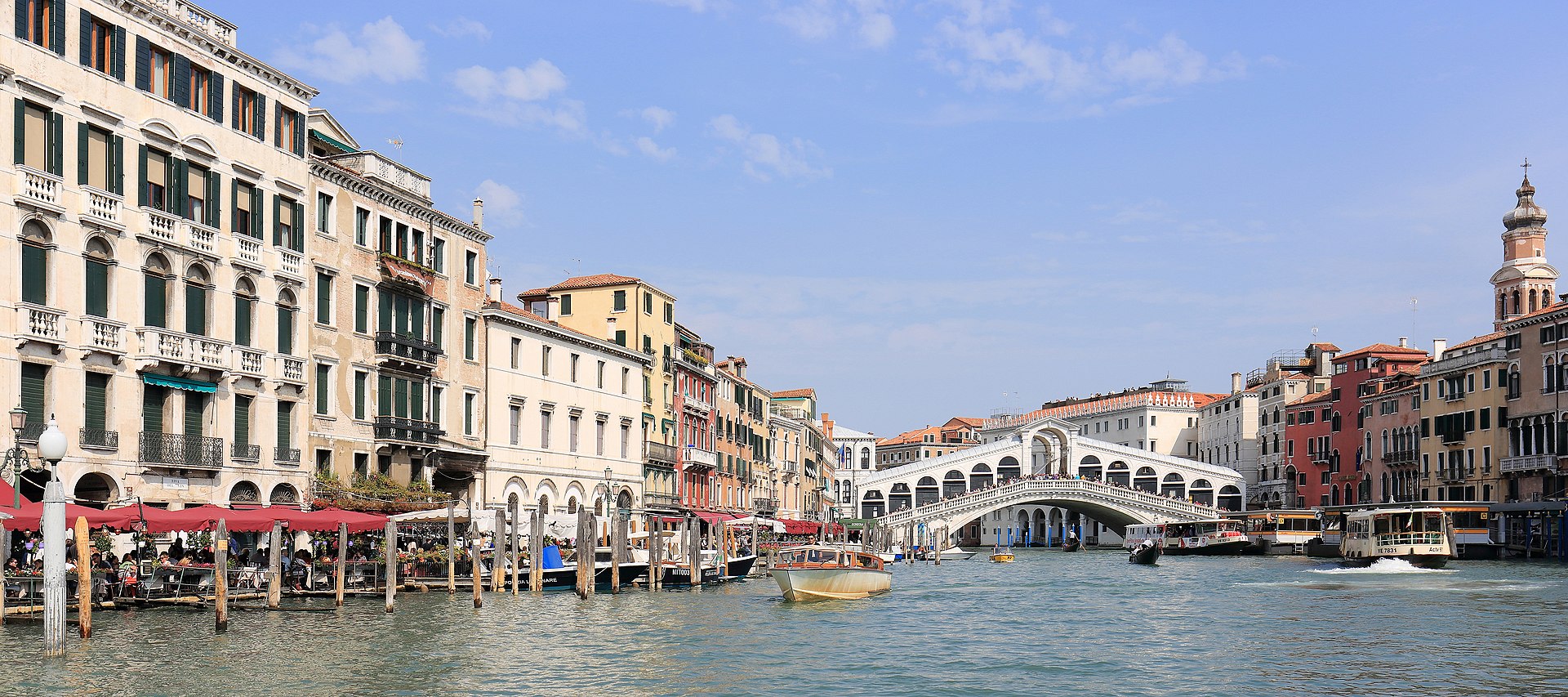
Veneto is one of Italy's most diverse regions — a place where you can ride a gondola through Venetian canals in the morning, hike the Dolomites in the afternoon, and sip Prosecco in the hills by sunset. But because this region spans from sea level to 3,000-metre mountain peaks, the best time to visit Veneto depends entirely on what you want to do. Whether you are chasing the Venice Carnival, the Verona opera season, Dolomites powder skiing, or the Prosecco grape harvest, each season offers a distinct experience.
This guide breaks down Veneto month by month, covering weather, events, crowds, prices, and our recommended activities for each season. We also show you how to book eco-friendly accommodation through IMPT, where every hotel stay removes 1 tonne of CO₂ at the same price as Booking.com.
Veneto's Seasons at a Glance
Spring (March – May) — Best for City Sightseeing
Spring in Veneto is magical. The weather warms gradually, the crowds of summer haven't arrived, and the gardens and parks around Lake Garda, the Prosecco hills, and the Palladian villas of Vicenza burst into bloom. Temperatures in Venice and Verona range from 10°C in March to a pleasant 22°C in May, making it perfect for walking tours.
This is the best season for exploring Venice without the oppressive summer humidity and tourist crush. St Mark's Square, the Doge's Palace, and the Accademia galleries are all far more enjoyable in the mild spring air. The Venice Biennale art exhibition opens in even-numbered years (including 2026) from April to November, attracting art lovers from around the world to the Giardini and Arsenale venues.
In Verona, spring temperatures are ideal for climbing the Torre dei Lamberti (84 metres) for panoramic views over the city's red-tiled rooftops. The Valpolicella wine region is beautiful in April and May when the vines are in early growth and the cherry trees that dot the vineyards are in full blossom. Padua's Prato della Valle becomes a popular meeting spot for students and families enjoying the first sun of the year.
Spring highlights
- Venice Biennale (April–November): One of the world's most prestigious art exhibitions, held in alternate years. 2026 is a Biennale year.
- Liberation Day (25 April): National holiday with celebrations throughout Veneto, especially in Venice and Verona.
- Festa del Redentore (May preview): Venice's thanksgiving festival features a temporary pontoon bridge across the Giudecca Canal.
- Lake Garda in bloom: The olive groves, lemon houses (limonaie), and terraced gardens of Malcesine and Limone are spectacular in April and May.
Summer (June – August) — Best for Opera, Lakes & Mountains
Summer is the high season across Veneto, and for good reason. The weather is warm to hot (21–30°C in the cities), the sun sets after 8pm, and a vibrant programme of festivals, opera, and outdoor activities fills every calendar. This is the season when Veneto truly comes alive.
The Verona Arena opera season runs from June to early September, staging spectacular productions of Aida, Carmen, La Traviata, and other classics beneath the stars. Seeing Verdi performed in this 2,000-year-old Roman amphitheatre is an experience that justifies a trip to Veneto on its own. Book tickets months in advance for the most popular performances.
The Dolomites are at their best for hiking from late June through September. The Tre Cime di Lavaredo circuit, the Alta Via trails, and the dramatic via ferrata routes are snow-free and accessible. Cortina d'Ampezzo becomes a bustling hub for hikers and mountain bikers. Meanwhile, Lake Garda reaches swimming temperature (24–27°C) by July, and its eastern shore towns of Bardolino, Lazise, and Malcesine fill with Italian and international holidaymakers.
July and August are also the hottest and busiest months in Venice, with cruise ship crowds, humidity pushing 70%, and hotel prices at their peak. If you can, visit in late June or early September instead — you will get better weather and lighter crowds.
Summer highlights
- Verona Arena Opera (June–September): The world's most spectacular open-air opera venue, from €25 for upper tiers to €200+ for marble steps.
- Festa del Redentore (third weekend July): Venice's spectacular firework display over St Mark's Basin, with a temporary bridge to the Redentore church.
- Venice Film Festival (late August–early September): The oldest film festival in the world, held on the Lido island.
- Dolomites hiking: The Tre Cime Circuit, Lago di Braies walk, and Alta Via 1 multi-day trek are all accessible June–September.
Autumn (September – October) — Best for Wine, Food & Colours
For many travellers, autumn is the absolute best time to visit Veneto. The summer crowds disperse, the temperatures cool to a delightful 11–24°C, and the region's agricultural produce reaches its peak. The Prosecco harvest in September and October transforms the Conegliano and Valdobbiadene hills into a hive of activity, with cantinas open for tastings and the vine leaves turning gold, amber, and crimson.
The Strada del Prosecco is at its most photogenic during the vendemmia (grape harvest), which runs from late August through September for the Glera grapes that become Prosecco DOCG. This is the perfect time to visit family-run cantinas like Bortolomiol, Nino Franco, and Bisol, where you can taste the difference between rive (single-vineyard) and the rare, prestigious Cartizze crus. Treviso, the gateway city to Prosecco country, also celebrates its food heritage with autumn truffle festivals and chestnut markets.
In Verona, the Valpolicella harvest runs slightly later, with Amarone grapes being dried on straw mats in traditional fruttai (drying lofts) through the autumn months. The city's wine bars and enoteche are particularly welcoming in these cooler months. The Dolomites remain hikeable through September and into early October, with spectacular larch forests turning gold at higher altitudes.
Autumn highlights
- Prosecco Harvest (September): Pick your own grapes, tour cantinas, and taste the year's new vintage. The Cartizze hill near Valdobbiadene is the most famous vineyard area.
- Venice International Film Festival (late August–early September): Star-spotting on the Lido, now in its 83rd edition.
- Regata Storica (first Sunday September): Venice's historic boat race on the Grand Canal with costumed rowing crews.
- Autunno d'Autore: Literary and cultural festivals across Veneto in October.
Winter (December – March) — Best for Skiing, Carnival & Culture
Winter in Veneto is a tale of two landscapes. Down on the coast, Venice and the lowland cities are cool (1–10°C), misty, and atmospheric — the city's canals reflecting the winter light through a veil of fog creates an unforgettable mood. Up in the Dolomites, snow blankets the peaks and valleys, turning the region into a world-class ski destination.
The Venice Carnival in February is the undisputed highlight of the winter season. For two weeks, the city fills with elaborately costumed revellers wearing the iconic mask and cape (bauta), with events held in historic palazzos, piazzas, and theatres. The Carnival has roots in the 12th century and remains one of the most photogenic and atmospheric festivals in the world. The 2026 Carnival runs from 31 January to 16 February (dates vary by year; always check the official programme).
For skiers and snowboarders, the Dolomites offer some of Europe's best pistes. Cortina d'Ampezzo, Alleghe, Arabba, and the Sellaronda circuit provide hundreds of kilometres of groomed runs across multiple connected ski areas. The Dolomiti Superski pass covers 1,200 km of pistes across 12 ski resorts. Cortina, which hosted the 2026 Winter Olympics, has world-class facilities. December through March is prime ski season, with peak conditions in January and February.
Winter highlights
- Venice Carnival (Feb 2026): Costume parades, masked balls, street performances. The Flight of the Angel from St Mark's Campanile opens the festival.
- Dolomiti Superski: 1,200 km of pistes with the Sellaronda circuit, Cortina, and Alleghe among the top Veneto resorts. The 2026 Olympics legacy means excellent new lift infrastructure.
- Christmas Markets: Verona's Piazza dei Signori hosts a traditional German-style market. Venice's Campo Santo Stefano has artisan stalls. Bolzano's market (just across the border in Trentino) is the region's largest.
- Verona Winter Festival: Ice skating, concerts, and light installations in the historic centre through December and January.
Monthly Breakdown: Quick Reference
January
Coldest month. Venice is quiet, atmospheric, and foggy. Ski season in full swing in the Dolomites. Prices are at their lowest for city hotels. Carnival preparations begin mid-month. Average temp: 1–7°C.
February
Venice Carnival dominates the cultural calendar. Venice is crowded but spectacular. Skiing is excellent in the Dolomites with reliable snow. Book accommodation months ahead for Carnival dates. Average temp: 2–10°C.
March
Spring arrives slowly. Venice gets quiet again. Ski season continues in the mountains. The Venice Marathon usually runs in March. Average temp: 6–14°C.
April
Spring in full swing. Gardens bloom. Easter holidays bring a spike in visitors. Venice Biennale (2026) opens. Excellent for city breaks in Verona, Padua, and Vicenza. Average temp: 10–17°C.
May
One of the best months for city exploration. Warm days, long evenings. Lake Garda becomes pleasant for cycling and boat trips. Average temp: 14–22°C.
June
Opera season begins in Verona. Dolomites hiking trails start opening at higher altitudes. Lake Garda warm enough for swimming. Venice gets busy. Average temp: 18–27°C.
July
Peak summer. Hottest month in the cities (up to 30°C). Perfect Dolomites hiking. Lake Garda at swimming temperature. Venice crowded and humid. Verona Arena opera at its peak. Festa del Redentore fireworks. Average temp: 21–30°C.
August
Maximum crowds, especially in Venice. Ferragosto holiday (15 Aug) shuts down many small businesses. Mountain refuges all open. Opera continues. Venice Film Festival starts late August. Average temp: 20–29°C.
September
Arguably the best month. Warm weather, fewer crowds. Prosecco harvest in full swing. Opera season finale. Hiking still excellent. Average temp: 16–24°C.
October
Autumn colours peak. Wine festivals continue. Dolomites hiking possible into early October. City sightseeing perfect. Average temp: 11–18°C.
November
Quietest month. Rainy but atmospheric. Lowest hotel prices. Good for museum and gallery visits. Truffle season in Treviso. Average temp: 6–11°C.
December
Christmas markets, festive atmosphere. Ski season starts in the Dolomites. Venice is quiet and misty. Average temp: 1–7°C.
Planning Your Trip by Activity
Best time for Venice sightseeing
Late spring (May) and early autumn (September–October) offer the best combination of pleasant weather, manageable crowds, and comfortable walking conditions. Avoid August if possible — the combination of heat, humidity, and cruise ship crowds makes for an exhausting experience.
Best time for Dolomites hiking
Late June through mid-September, when all trails and mountain refuges are open. July and August offer the most reliable weather, while September gives you golden larch forests and fewer people on the trails.
Best time for Dolomites skiing
January and February offer the best snow conditions across all resorts. December can be good early season, and March brings spring skiing with longer daylight hours. The 2026 Winter Olympics legacy has improved lift infrastructure across Cortina and surrounding resorts.
Best time for Prosecco wine tours
September and October during the grape harvest. The hills are at their most beautiful, cantinas are open for tastings, and you can witness the vendemmia in action. May and June are also lovely for walking the vineyard trails.
Best time for Lake Garda
June through September for swimming, sailing, and watersports. May and October for quieter visits with pleasant walking and cycling weather. The Malcesine–Monte Baldo cable car operates year-round, but the summit trail is best April–October.
Packing Tips for Veneto
- Spring/Autumn: Layers are essential. A light waterproof jacket, comfortable walking shoes, an umbrella, and a warm jumper for evenings.
- Summer: Light clothing, sun protection (hat, sunscreen, sunglasses), comfortable walking shoes for Venice (you will walk 10+ km/day), and a light scarf for church visits (shoulders and knees must be covered).
- Winter: Warm coat, hat, gloves, scarf, waterproof boots (acqua alta in Venice means flooded streets), thermal layers for the Dolomites ski slopes.
- Year-round essentials: Reusable water bottle (Venice has public water fountains with free, safe drinking water), an e-sim for your phone (free WiFi is available but patchy), and a travel adapter (Italy uses Type F/L sockets, 230V).
Sustainable Travel in Veneto with IMPT
However you choose to explore Veneto, make your trip carbon-positive. Every hotel booking through IMPT removes 1 tonne of CO₂ from the atmosphere — approximately 28 times the carbon footprint of an average hotel night — at the exact same price as Booking.com. With over 8,500 hotels available across Veneto's 7 provinces, you can book your entire trip through one platform and travel with purpose.
New members receive EUR5 free credit and 5% cashback in IMPT tokens on every booking. Whether you are visiting Venice for Carnival, hiking the Dolomites in summer, or touring the Prosecco hills during harvest, every stay contributes to verified carbon removal projects worldwide.
Book eco hotels in Veneto
Same price as Booking.com · 1 tonne CO₂ removed per booking · EUR5 free credit · 5% cashback in IMPT tokens
Read more: Veneto Food Guide · Cosa Fare a Veneto · Veneto Eco Hotel