🏔️ Italy › Aosta Valley
Aosta Valley Eco Hotel — Green Stays in the Italian Alps
Perché Soggiornare a Aosta Valley?
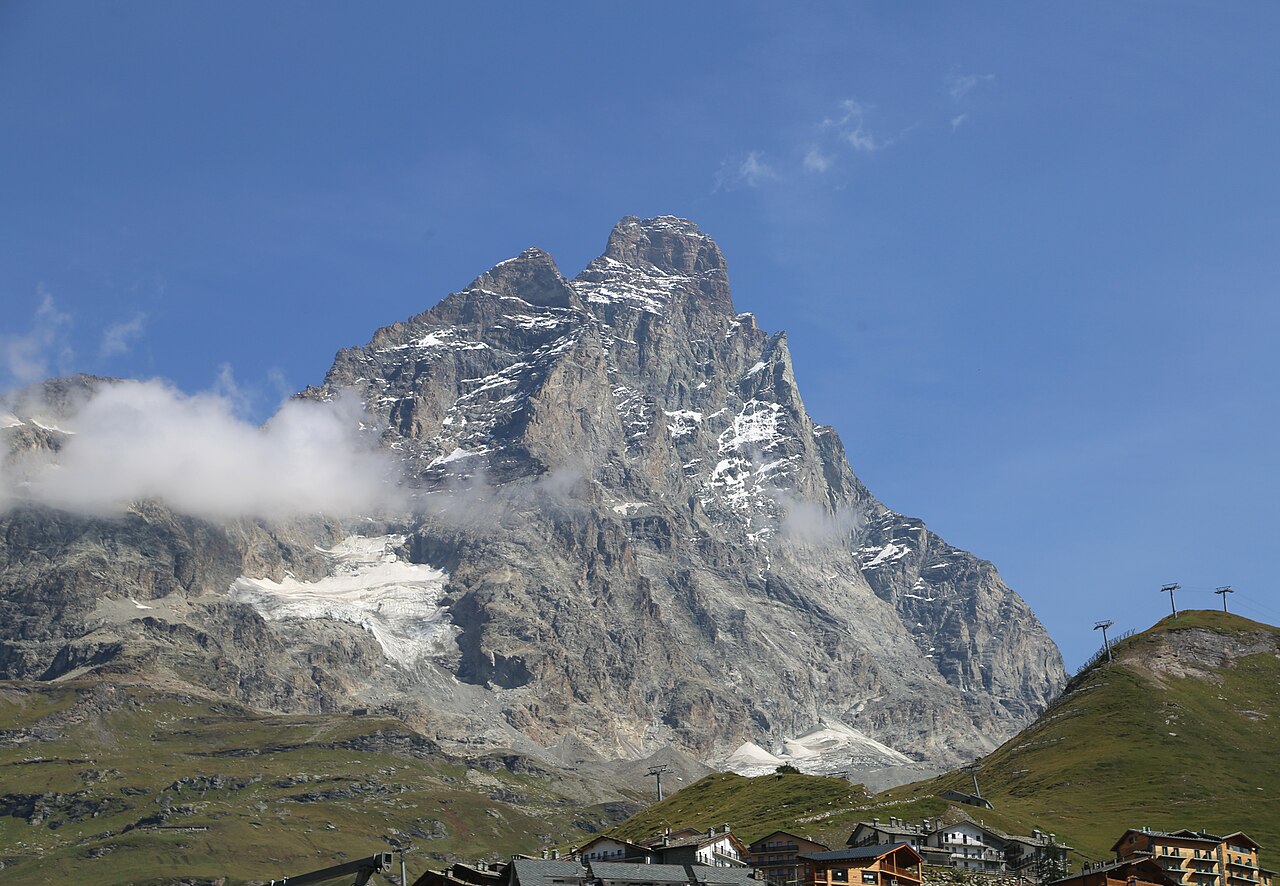
Aosta Valley (Valle d'Aosta) is Italy's smallest and least populous region, yet it packs an extraordinary density of natural beauty, history, and culture. Nestled in the heart of the Alps, the valley is surrounded by Europe's highest peaks — Mont Blanc (Monte Bianco) at 4,810 metres, the Matterhorn (Cervino) at 4,478 metres, Monte Rosa at 4,634 metres, and Gran Paradiso at 4,061 metres. This is alpine Italy at its most dramatic.
The region has been a crossroads since Roman times. The city of Aosta — founded as Augusta Praetoria in 25 BC — is one of the best-preserved Roman towns in Italy, with walls, gates, a theatre, and an amphitheatre still standing. The Middle Ages left a legacy of spectacular castles — over 100 in the valley — including the iconic Fénis Castle, the fairy-tale Sarre Castle, and the imposing Bard Fort.
Today, Aosta Valley is famous for its world-class ski resorts. Courmayeur sits at the foot of Mont Blanc and offers some of the Alps' most glamorous skiing. Cervinia is linked to Zermatt in Switzerland, creating the vast Cervino Ski Paradise. Pila offers family-friendly slopes directly above Aosta. In summer, the valley transforms into a paradise for hikers, climbers, and mountain bikers. The Gran Paradiso National Park, Italy's oldest national park, protects a pristine alpine wilderness where ibex and chamois roam freely.
For the eco-conscious traveller, Aosta Valley is ideal — the region is a leader in sustainable tourism, with many hotels adopting green practices. Booking through IMPT means every night you stay removes one tonne of CO2 at no extra cost, with €5 di credito gratuito on your first booking and 5% cashback in IMPT tokens.
Cosa Fare a Aosta Valley



Dove Alloggiare — Areas in Aosta Valley
Eco Hotel a Aosta Valley


Walking & Hiking in Aosta Valley
Nearby Regiones


Cities in Aosta Valley
Domande Frequenti
Do I need a car in Aosta Valley?
A car is useful but not essential. Buses connect Aosta to all major ski resorts and towns. The A5 motorway runs the length of the valley. Courmayeur, Cervinia, and Pila are all reachable by regular bus services from Aosta. For exploring remote mountain areas, a car offers more flexibility.
Is Aosta Valley expensive?
It's mid-range for Alpine destinations. Courmayeur and Cervinia are premium ski resorts with higher prices. Aosta city is more affordable. Eco-friendly hotels range from €55/night in Aosta to €190/night in Courmayeur. Food and drink are reasonably priced for the quality.
What is the best ski resort in Aosta Valley?
Courmayeur is best for intermediate skiers and glamorous après-ski. Cervinia offers the highest slopes and a link to Zermatt. La Thuile is quieter and excellent value. Pila is family-friendly with great views from above Aosta. All offer reliable snow conditions.
Can I visit Aosta Valley in summer?
Absolutely. Summer is arguably the best season for non-skiers. The hiking is world-class, the cable cars run for sightseeing, outdoor festivals fill the calendar, and the Roman sites in Aosta are at their best. July and August are peak season.
What is the currency in Aosta Valley?
The Euro (EUR). Aosta Valley is part of Italy and uses the euro. Cards are widely accepted, but it's good to carry some cash for small mountain rifugi (mountain huts) and small village shops.
Top Attractions & Things to Do in Aosta Valley
The Aosta Valley (Valle d'Aosta) is Italy's smallest and least populous region, yet it packs more natural grandeur and historical riches per square kilometre than almost any other corner of the Alps. From the towering peak of Mont Blanc to the Roman ruins of Aosta, from world-class ski slopes to medieval castles perched on rocky spurs, the region offers year-round appeal for every type of traveller. Here are the top attractions and places to visit.
🏔️ Mont Blanc (Monte Bianco)
Western Europe's highest peak at 4,808 metres dominates the Aosta Valley landscape. From Courmayeur, the Skyway Monte Bianco cable car rises to Punta Helbronner (3,462 m) with 360-degree views of the Alpine arc. Summer hiking on the Mont Blanc massif's trails is world-class; winter skiing at Courmayeur offers some of the Alps' most scenic descents with views of the highest peak in Europe.
🏛️ Roman Ruins of Aosta
Augusta Praetoria was founded in 25 BC by Emperor Augustus. The remarkably preserved Roman theatre (teatro romano) still stands 22 metres high, the forum area includes the cryptoporticus (underground galleries), and the Porta Pretoria — the original eastern gate — remains fully intact. The Arch of Augustus (25 BC) and the Roman bridge (Pont de Pierre) complete one of Italy's best-preserved Roman townscapes.
🏰 Medieval Castles
The Aosta Valley has over 100 castles, more per square kilometre than any other Italian region. Must-visits include the iconic Fénis Castle (14th-century, perfectly preserved with crenelated walls and courtyard frescoes), the formidable Bard Fort (restored, now the Museum of the Alps), and the fairytale Sarre Castle, the Savoy royal family's Alpine hunting lodge.
⛷️ Ski & Snow Sports
The Aosta Valley offers some of Europe's finest skiing. Cervinia (connected to Zermatt in Switzerland via the Matterhorn Glacier Paradise) provides summer skiing on the Plateau Rosa. Courmayeur offers challenging runs with spectacular Mont Blanc views. La Thuile links to La Rosière in France for the vast Espace San Bernardo ski domain.
🥾 Summer Hiking
The Aosta Valley has 800+ km of marked trails for all abilities. The Tour du Mont Blanc (170 km, 10 days) passes through Italy, Switzerland, and France. Gran Paradiso National Park — Italy's oldest — offers gentler wildlife-rich hiking with ibex, chamois, and golden eagles. The Alta Via trails traverse the entire region at high altitude with mountain rifugio huts for overnight stays.
🧀 Fontina & Alpine Gastronomy
Food lovers shouldn't miss the region's culinary traditions. Fontina DOP cheese is the star — essential for fonduta valdostana. Other specialties include prosciutto di Saint-Ours, lardo d'Arnad (aged in marble chests), mocetta (cured chamois meat), carbonade (beef and red wine stew), polenta concia with fontina, and tegole almond cookies.