Eco Hoteles en Navarre 🌿
From the bull-running streets of Pamplona to the otherworldly Bardenas Reales desert, from the green Pyrenean beech forests to the medieval Camino de Santiago — Navarre packs more landscapes and culture into one small region than anywhere else in Spain. Book hoteles ecológicos, offset your travel, and explore one of Europe's most diverse destinations.
Por Qué Alojarse en Navarre?
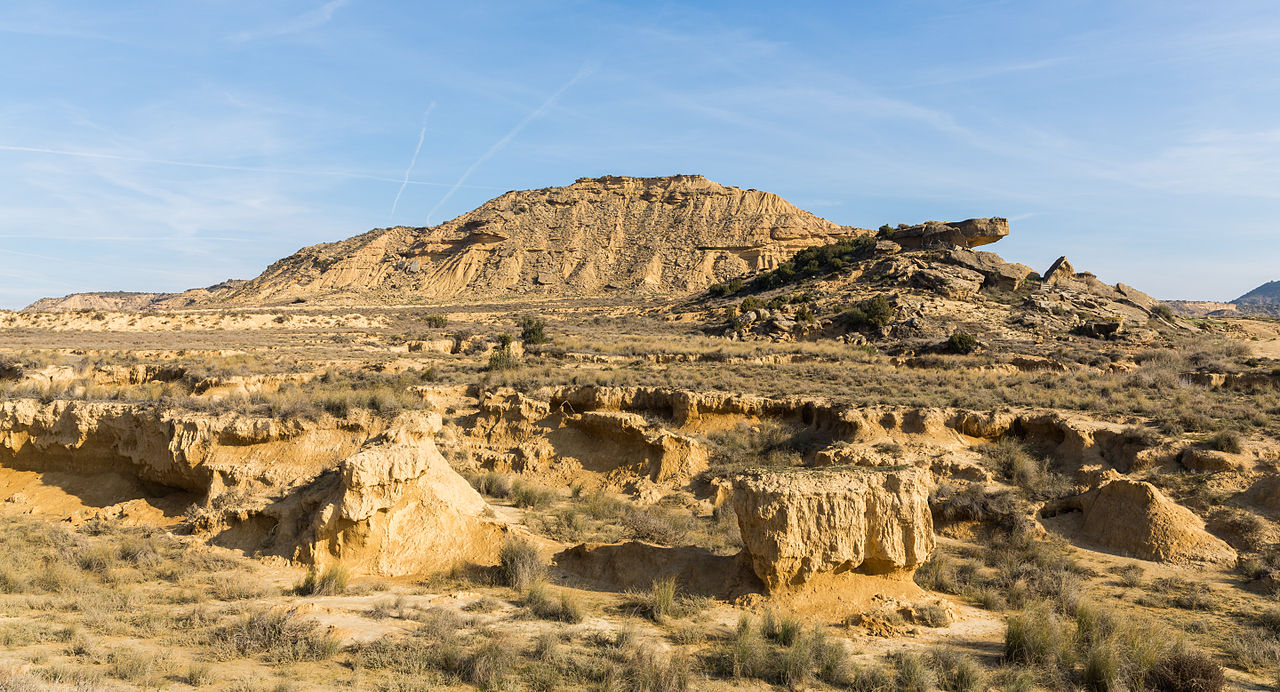
Navarre (Navarra in Spanish, Nafarroa in Basque) is one of Spain's most geographically and culturally diverse regions, compressed into just 10,391 km². In the north, the Pyrenees rise to 2,428 metres, their slopes blanketed by the Selva de Irati — one of Europe's largest and best-preserved beech-fir forests, a cathedral of green that erupts into gold and copper every autumn. In the centre sits Pamplona, the capital, a city of medieval walls, leafy parks, and the world's most famous festival. In the south, the landscape transforms into the Bardenas Reales, a 42,000-hectare UNESCO Biosphere Reserve of eroded badlands, canyons, and mesas that looks more like Arizona than northern Spain. No other Spanish region packs this range of landscapes into such a small space. You can hike through Pyrenean beech forests in the morning and photograph desert badlands at sunset, all in the same day.
The Camino de Santiago's French Way enters Spain through the Roncesvaux Pass (Roncesvalles), where Charlemagne's rearguard was ambushed in 778 — the battle immortalised in the Song of Roland. From there, pilgrims walk through mountain beech forests to Pamplona, then across Navarre's rolling farmland towards Logroño and ultimately Santiago de Compostela. Even if you're not walking the full Camino, the section from Roncesvaux to Pamplona (about 50 km over 2–3 days) is one of the route's most beautiful and best-serviced stages.
And then there's San Fermín. Hemingway's The Sun Also Rises (1926) put Pamplona's Running of the Bulls on the global map, and every July 6–14 the city transforms into a 24-hour celebration. The daily encierro at 8:00 AM — where six bulls run 875 metres through the old town's narrow streets — is the most famous event, but the festival is so much more: giant parades (Comparsa de Gigantes), traditional Basque sports, concerts, fireworks, and the Peñas (social clubs) that turn every street into a party. Whether you run, watch from a balcony, or just soak up the atmosphere, San Fermín is a bucket-list experience.
Navarre's culinary scene blends Basque and Aragonese traditions with the bounty of the Ebro Valley. Piquillo peppers from Lodosa, Roncal cheese from the Pyrenees, white asparagus, chistorra sausage, and the wines of the Navarra DO (particularly excellent rosados) make every meal a discovery. Pamplona's pintxos bars — especially on Calle San Nicolás and Calle Estafeta — rival San Sebastián's at more accessible prices.
Booking your Navarre hotel through IMPT means 1 tonne of CO₂ removed from the atmosphere per booking, at the same price as Booking.com, with EUR5 free credit on signup and 5% cashback in IMPT tokens. With 8M+ hotels worldwide and 25,000+ certified green properties, you can explore Navarre sustainably without paying a premium.
Qué Hacer en Navarre
1. San Fermín Festival — Pamplona (July 6–14)
The world's most famous street festival. The encierro (Running of the Bulls) happens every morning at 8:00 AM — six bulls and six steers run 875 metres from the corral at Santo Domingo to the bullring, chased by hundreds of runners in white with red pañuelos. The run lasts about 3 minutes. Watch from street level (free, arrive by 6:30 AM), from a balcony (€50–150), or from the bullring stands. Afternoons bring the Comparsa de Gigantes (giant carnival figures), traditional Basque sports like pelota and aizkolaritza (log-chopping), concerts, and endless street parties. Hotel prices are 3–5× normal — book 6+ months ahead. Learn more in our complete things to do guide.
2. Bardenas Reales — UNESCO Biosphere Reserve
A 42,000-hectare semi-desert of eroded clay, sandstone, and gypsum sculpted by wind and water into canyons, mesas, and the iconic Cabezo de Castildetierra rock formation. Game of Thrones filmed the Dothraki Sea scenes here. The main driving route (34 km, about 2 hours) passes all key viewpoints. Better still: explore by mountain bike (rental in Arguedas, €15–25/day) on the network of dirt tracks, or hike the marked trails. The visitor centre in Arguedas provides maps. Best at sunrise or sunset when the low light turns the formations gold and purple. Free entry. 70 km south of Pamplona. Bring water — no facilities inside the park.
3. Olite Royal Palace
One of Spain's most beautiful castle-palaces, built in the 15th century for the Kings of Navarre. The Palacio Real de Olite is a Gothic fantasy of towers, courtyards, hanging gardens, and grand halls. The guided tour takes about an hour and covers the throne room, the chapel with its carved alabaster altarpiece, and the gardens with panoramic views over the Navarran countryside. Admission €5. The Parador de Olite is built into the palace grounds. 40 km south of Pamplona.
4. Selva de Irati (Irati Forest)
Europe's second-largest beech-fir forest after Germany's Black Forest, covering 17,000 hectares on the French border. In autumn (mid-October to early November), the beech trees turn gold, copper, and crimson — one of Europe's great natural spectacles. Access from Orbaizeta or Ochagavía in the Salazar Valley. Marked trails range from short nature walks to full-day hikes like the ascent of Monte Ori (2,017 m). The circular walk to the Embalse de Irabia reservoir (8 km, 2.5 hours, easy) is ideal for families. Free entry; parking €5/day. Winter access closes (December–April) when snow blocks the access road. 60 km northeast of Pamplona.
5. Pamplona's Ciudadela & Old Town
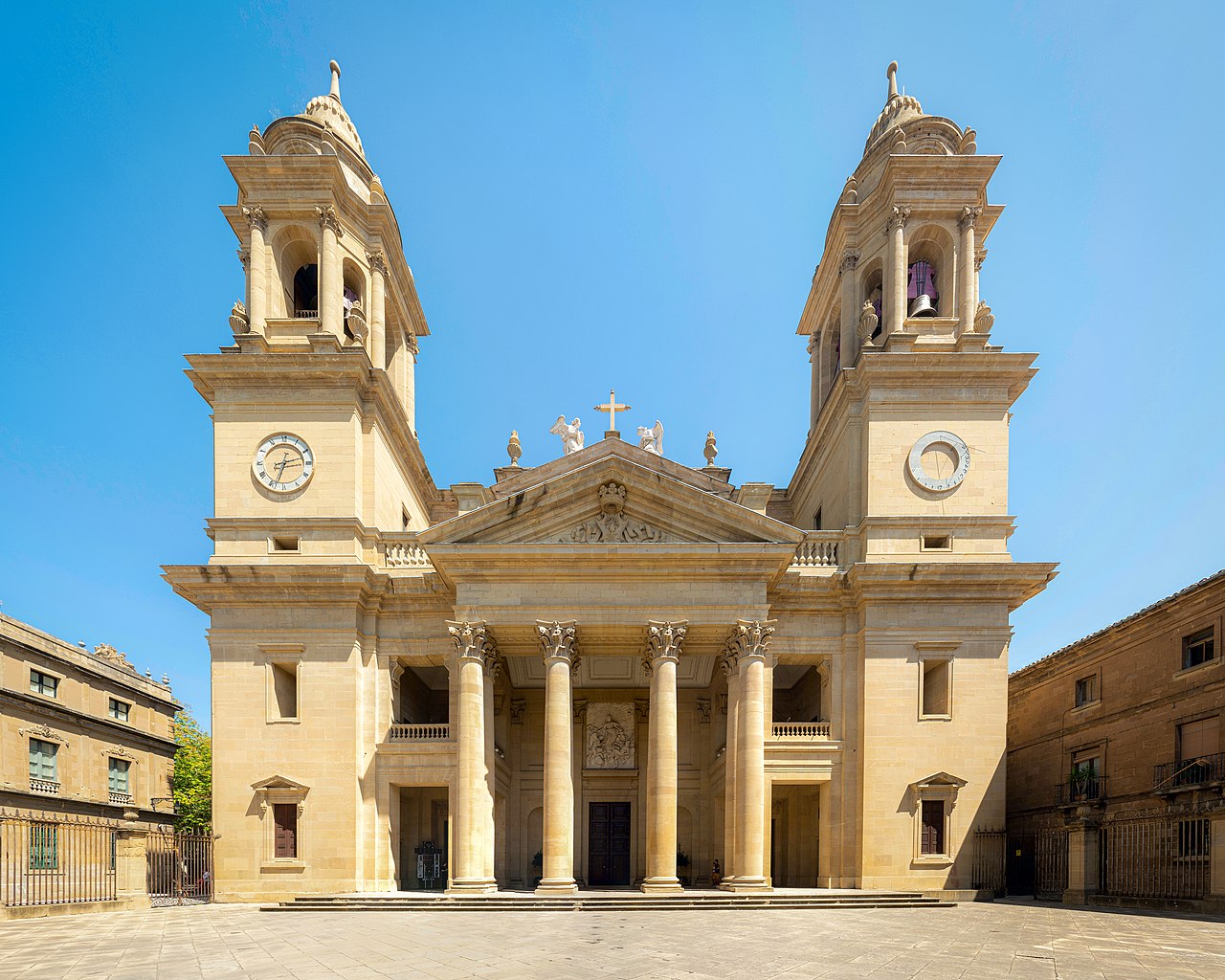
Outside of San Fermín week, Pamplona reveals itself as one of northern Spain's most liveable cities. The Ciudadela (Citadel) is a 16th-century star-shaped fortress, one of Spain's best-preserved Renaissance military structures, now a public park with exhibitions. The Gothic cathedral (14th–15th century) houses the tomb of King Carlos III and his wife. The Plaza del Castillo — Pamplona's living room — is surrounded by arcades, cafés, and the famous Café Iruña (Hemingway's favourite). The city walls have been restored into a walking circuit. And the pintxos bars of the old town offer an unforgettable crawl through Calle San Nicolás, Calle Estafeta, and Plaza del Castillo.
6. Roncesvaux Pass (Roncesvalles)
Where the French Way of the Camino de Santiago enters Spain after crossing the Pyrenees from Saint-Jean-Pied-de-Port. The 12th-century Collegiate Church, the Gothic chapterhouse with the tomb of King Sancho VII el Fuerte, and the pilgrims' hostel are the key sights. The surrounding beech forest and the Ibañeta Pass (where Charlemagne's rearguard fell in 778) are deeply atmospheric. 50 km northeast of Pamplona.
7. Javier Castle
The birthplace and castle of St. Francis Xavier (1506–1552), the Navarran missionary who brought Christianity to Japan and Southeast Asia. The castle is one of Navarre's most-visited monuments — a 10th-century fortress with Gothic additions, perched on a rocky hill above the Aragon river valley. Inside: the saint's chapel, the great hall with its Mudéjar ceiling, and a museum of Xavier's life and travels. The annual Javierada pilgrimage (March) draws thousands. 55 km east of Pamplona.
8. Foz de Lumbier Canyon
A dramatic limestone gorge carved by the Irati River, about 40 km east of Pamplona. A former railway line through the gorge has been converted into a 2.5 km walking path. The canyon walls rise vertically on both sides, and griffon vultures nest on the ledges. The path is flat and easy (5 km return, 1.5 hours). Free entry. Parking at the entrance. Combine with the Foz de Arbayún viewpoint nearby for a morning exploring Navarre's most dramatic river gorges.
9. Bardenas Stargazing
The Bardenas Reales has some of the darkest skies in northern Spain — the nearest major town (Tudela) is 20 km away, and there's zero light pollution within the park. Night photography tours operate from Arguedas (about €40/person, 2 hours), and the Milky Way is visible to the naked eye on clear nights. The dark season (October–March) offers the longest nights for stargazing. Combine with a desert sunset visit for a full Bardenas experience.
10. Estella-Lizarra Romanesque Churches
Estella (Lizarra in Basque) was a key stop on the Camino de Santiago and is known as the "City of the Romanesque" for its concentration of 12th–13th century churches. The Church of San Miguel (with its stunning south portal), the Church of San Pedro de la Rúa (on the Camino route), and the Palacio de los Reyes de Navarra (the only surviving Romanesque civil palace in Navarre). The city is 45 km southwest of Pamplona on the French Way. Its pintxos scene is quieter but excellent.
Dónde Alojarse — Areas in Navarre
Pamplona — Capital, Festivals & Camino
The Casco Antiguo (Old Town) is where you want to be — walking distance to the cathedral, Plaza del Castillo, the encierro route, and the best pintxos bars in Calle San Nicolás. Hotels range from Hemingway-haunted landmarks to modern boutiques. During San Fermín, Pamplona hotels book out 6+ months in advance at 3–5× normal rates. The rest of the year, good value with plenty of availability. From €60/night.
Tudela — Bardenas Gateway & Ebro Valley
The main city of southern Navarre, 94 km south of Pamplona, Tudela is the base for exploring the Bardenas Reales. Its old town has a beautiful cathedral (with one of Spain's finest Gothic-Mudéjar cloisters), good tapas bars, and the Plaza de los Fueros. The Mercado de Santo Domingo is one of Navarre's best food markets. Hotels are more affordable than Pamplona. From €50/night.
Olite — Medieval Palace & Wine Country
Olite, 40 km south of Pamplona, is dominated by the 15th-century Palacio Real, a Gothic castle-palace that belonged to the Kings of Navarre. The Parador de Olite (inside the palace grounds) is the standout stay. The surrounding countryside is Navarra DO wine country — book a vineyard visit and tasting. From €55/night.
Estella-Lizarra — Camino & Romanesque Art
A key stop on the French Way, 45 km southwest of Pamplona. Estella is rich in Romanesque churches (San Miguel, San Pedro de la Rúa), a historic pilgrims' bridge, and the excellent Monjardín winery on the hill above town. The Camino pilgrims give it a constant buzz. From €45/night.
Roncal Valley — Pyrenees & Sheep's Cheese
The most beautiful of Navarre's Pyrenean valleys, source of DOP Roncal cheese. Base yourself in Isaba, the main village, for hiking trails into the mountains, the Selva de Irati, and the limestone gorges of the Navarrese Pyrenees. Accommodation is casas rurales and small mountain hotels. From €50/night.
Bardenas Area — Desert & Dark Skies
Stay in Arguedas (the main access town to Bardenas Reales) or nearby for early-morning and sunset desert visits, stargazing, and exploring the Ebro Valley. Aire de Bardenas is a design hotel on the edge of the desert. From €55/night.
Hotels in Navarre



Walking & Hiking in Navarre
1. Camino de Santiago — Pamplona to Estella (French Way)
The classic stage of the French Way: 22 km from Pamplona to Estella-Lizarra, about 6 hours, moderate difficulty. The route leaves Pamplona through the medieval Magdalena Bridge, passes the Romanesque Church of San Miguel de Aralar in the distance, crosses rolling farmland and olive groves, and arrives in Estella via the Puente de la Cárcel. This is the Camino at its most accessible — well-marked, well-serviced with albergues every 5 km, and deeply historical. Best walked April–October. Start early to avoid summer heat.
2. Selva de Irati Trails
The Casas de Irati information centre offers a network of marked trails through Europe's second-largest beech-fir forest. The accessible trail to the Embalse de Irabia reservoir (8 km, 2.5 hours, easy) follows a wide track suitable for families. For experienced hikers, the ascent of Monte Ori (2,017 m, 7 km one-way, challenging) climbs through forest to open ridgeline with views across the Pyrenees to France. Autumn (mid-October) is spectacular when the leaf colours peak. Winter access closed (December–April).
3. Bardenas Reales Hiking Trails
Several marked walking routes through the semi-desert, ranging from 2 km nature trails to 15 km full-day hikes. The most popular is the Ruta del Cabezo de Castildetierra (5 km, 2 hours, easy) which loops past the iconic rock formation. All routes start from the Arguedas visitor centre. Bring 1.5 L of water per person (minimum) and sun protection — there is no shade in the desert. Guided walks (€15–25/person) include geological and cultural interpretation. Best in spring and autumn; summer is dangerously hot.
4. Roncesvaux Pass Trail
The trail from Saint-Jean-Pied-de-Port (France) to Roncesvaux (Spain) via the Ibañeta Pass — the classic Pyrenean crossing of the Camino de Santiago. This 26 km stage gains 1,200 metres of elevation and takes 7–9 hours. It's the most challenging stage of the entire French Way. In winter the pass is snow-covered and dangerous without mountaineering equipment. For a shorter option, hike the 4 km route from Roncesvaux up to the Ibañeta Pass viewpoint and back — the views over the French Basque Country are worth every step.
Nearby Regións


Cities in Navarre
Preguntas Frecuentes
Is Navarre safe for tourists?
Navarre is one of Spain's safest regions. Pamplona has low crime rates, and even the San Fermín festival, despite enormous crowds, is well-policed. The main risks are during the encierro (Running of the Bulls), which is genuinely dangerous — 16 people have died since records began. Participants must be over 18 and sober. If you're not running, watch from a balcony or the bullring stands. In the countryside, normal precautions apply: lock your car, don't leave valuables visible. The Bardenas Reales has no safety risks beyond heat and isolation — carry water and let someone know your route.
How many days do you need in Navarre?
A minimum of 3 days allows you to explore Pamplona (1 day), the Bardenas Reales and Olite (1 day), and the Pyrenees or Irati Forest (1 day). With 5 days, add a day for the Camino de Santiago (walk Roncesvaux to Pamplona, 2 days) and a day for wine touring in the Navarra DO or the Baztán Valley. With a week, you can cover the entire region thoroughly. Most visitors combine Navarre with the Basque Country (San Sebastián is 80 km from Pamplona) or La Rioja.
What is the difference between Navarre and the Basque Country?
Navarre is a separate autonomous community from the Basque Country, though they share Basque cultural heritage and the Basque language (Euskera) is spoken in northern Navarre. Politically, Navarre chose to remain separate when Spain's post-Franco autonomous communities were formed. Culturally, both regions share pintxos bars, Basque pelota, and cider houses, but Navarre has a distinct identity shaped by its history as an independent kingdom (824–1620). The food has a stronger agricultural influence from the Ebro Valley, and the landscape is more diverse (desert, mountains, and farmland). We cover the differences in more depth on our Basque Country page.
Is Navarre expensive for tourists?
Navarre is mid-range by Spanish standards. Pamplona is affordable outside of San Fermín (hotels from €60/night, pintxos €2–4 each, a coffee €1.50). During San Fermín (July 6–14), hotel prices spike to 3–5× normal — a €60 room becomes €200–300/night. The Bardenas Reales is free to enter. Irati Forest entry is free (parking €5). Restaurant menus del día run €12–16 in Pamplona, €10–12 in smaller towns. A car is recommended for exploring. IMPT matches Booking.com prices with added benefits: 1 tonne CO₂ offset per booking, EUR5 free credit, and 5% cashback.
When does the Irati Forest turn autumn colours?
The beech trees of the Selva de Irati reach peak autumn colour in mid-to-late October, typically the second and third weeks. The exact timing varies slightly with weather conditions — a dry September advances the colour change, a wet one delays it by a week or two. The gold-copper-crimson display lasts about 2–3 weeks. Midweek visits avoid the crowds (weekends in October are busy). Check the official Irati Forest website for current conditions before driving from Pamplona. After early November, most leaves have fallen. See our seasonal guide for monthly recommendations.