Romanesque ArtSemana SantaDuero RiverToro WineArribes CanyonMedieval Walls
Eco Hoteles en Zamora, Castile and Leon
Alojamientos sostenibles in Europe's Romanesque capital — 24 medieval churches, a cathedral with a Byzantine dome and the deep canyons of the Arribes del Duero.
Por Qué Alojarse en Zamora?
Zamora is called the "city of Romanesque" for a simple, astonishing reason: no other city in Europe preserves as many Romanesque churches within its historic centre. Twenty-four medieval temples survive from the 12th and 13th centuries, giving the old town an architectural density unmatched anywhere on the continent. Above them all rises the cathedral, built between 1151 and 1174, crowned by a unique 16-sided stone dome — the cimborrio — whose fish-scale tiles show a Byzantine influence found nowhere else in Spanish Romanesque architecture.
The city sits on a rocky promontory above the Duero River, wrapped in medieval walls and guarded by the Castillo de Zamora, whose hexagonal keep commands sweeping views over the river valley. This was frontier country during the Reconquista: the epic poem Cantar de Mío Cid tells how King Sancho II was killed outside the city walls in 1072 at the Portillo de la Traición, the "Traitor's Gate" that still stands today. El Cid himself married Ximena Díaz in Zamora's cathedral, cementing the city's place in Spain's most famous medieval legend.
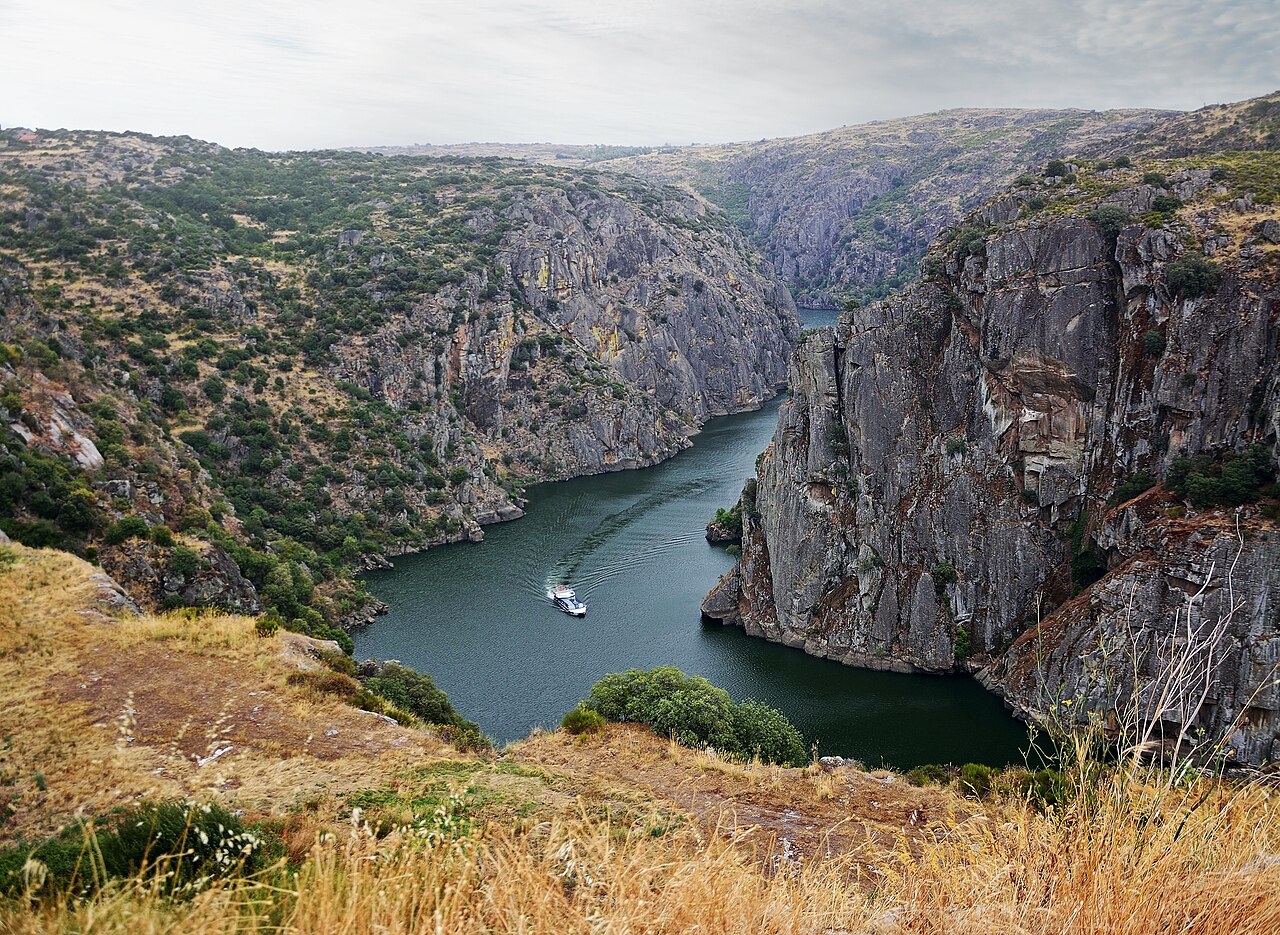
Modern Zamora is unhurried and gloriously authentic — a Castilian city of arcaded plazas, tapas bars serving local wine and cheese, and one of Spain's most moving Holy Weeks. Its Semana Santa processions, with 17 brotherhoods carrying sculpted pasos through candlelit streets, are declared of International Tourist Interest. And the surrounding province delivers real adventure: the Arribes del Duero natural park, where the river cuts 400-metre-deep canyons along the Portuguese border, and the Toro wine region to the south, home to some of Spain's boldest red wines. Every IMPT booking removes 1 tonne of CO₂ at the same price as Booking.com, with EUR5 free credit and 5% cashback for members.
Getting the Most Out of Zamora
Zamora's historic centre is small enough to explore entirely on foot — most of the 24 Romanesque churches, the cathedral, the castle and the Plaza Mayor sit within a 15-minute walk of one another. Begin at the cathedral, climb the castle keep for river views, then follow the Ruta del Románico map (available free at the tourist office) through the medieval lanes. Save an evening for the Plaza Mayor, where the arcaded square fills with families, tapas and the scent of chorizo a la brasa.
Getting here is straightforward: high-speed and regional trains run from Madrid Chamartín (about 2h15) and Salamanca (40 minutes), while the A-66 motorway puts Zamora 45 minutes north of Salamanca. Rent a car for the province's highlights — the Arribes del Duero viewpoint circuit (best at sunset, with boat trips down the canyon from April to October), the medieval walled town of Toro with its wine bodegas, and the historic villages of the Sayago region. For a longer trip, Zamora is a natural stop between Madrid, Salamanca and the north of Portugal (Bragança is 90 minutes away).
Dónde Alojarse in Zamora — Best Areas
Casco Antiguo (the old town inside the walls) is where most visitors stay — steps from the cathedral, castle and the majority of Romanesque churches. Plaza Mayor, just outside the old walls, puts you at the centre of the tapas scene with the liveliest bars and the weekly market. Duero Riverside is quieter and greener, with riverside walks, the city's parks and sunset views of the cathedral from across the water. For a countryside escape, base yourself in Toro (35 km south) among the vineyards, or in a rural house near the Arribes del Duero canyons — both within easy driving distance of Zamora city.
Recommended Hotels in Zamora


Qué Hacer en Zamora


Walking & Hiking Near Zamora


Nearby Places & Day Trips


Preguntas Frecuentes
Is Zamora worth visiting?
Absolutely. Zamora is Spain's best-kept medieval secret — 24 Romanesque churches, a unique cathedral dome, a dramatic castle and one of the country's most moving Holy Weeks, all with a fraction of the crowds of Salamanca or Segovia. It is a UNESCO World Heritage candidate city.
How far is Zamora from Salamanca?
Zamora is 60 km from Salamanca — about 45 minutes by car via the A-66 motorway, or 40 minutes by regional train. The two cities make an excellent combined itinerary.
What food is Zamora famous for?
Zamora is known for arroz a la zamorana (rice with pork ribs and chorizo), hornazo (a savoury stuffed pie), bacalao a la tranca (salt cod), and Spain's finest chickpeas from Fuentesaúco. Pair them with Toro red wine and queso zamorano cheese.
When is Semana Santa in Zamora?
Holy Week falls in late March or April each year (dates follow the Catholic calendar; in 2026 it runs from 29 March to 5 April). Zamora's processions are among Spain's most solemn and spectacular — book hotels well in advance.
Can I visit the Arribes del Duero by boat?
Yes. From April to October, boat companies run excursions along the Duero through the Arribes canyon from villages such as Miranda do Douro (Portugal) and Fermoselle (Spain). Trips last 1-2 hours and are the best way to see the gorge's cliffs and wildlife.