Eco Hoteles en Guadalajara
Por Qué Alojarse en Guadalajara?
Guadalajara is one of Castilla-La Mancha's most underrated treasures — a city where medieval grandeur meets modern Castilian life, just 35 minutes by high-speed train from Madrid. The Palacio del Infantado dominates the old town with its extraordinary Isabelline Gothic façade, a riot of carved stonework and diamond-point bosses that ranks among Spain's finest secular buildings. Step through its doors and the inner courtyard stops you in your tracks — a double-tiered arcade of twisted columns, intricate tracery, and Mudéjar-inspired details that whisper of a time when Guadalajara was the seat of the powerful Mendoza family, one of Spain's greatest noble houses.
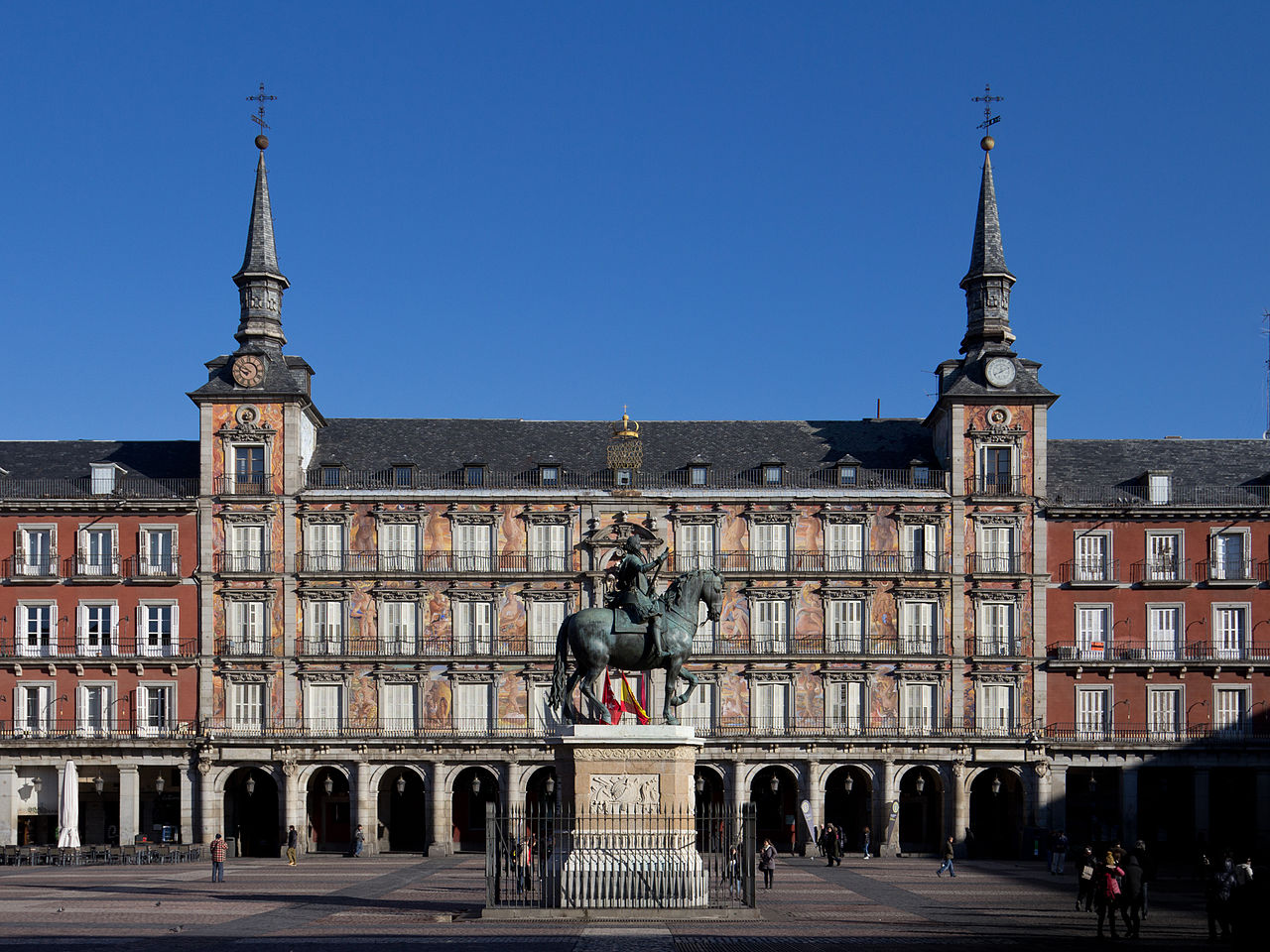
Situated on the Henares River at 708 metres above sea level, Guadalajara enjoys a classic continental Mediterranean climate — crisp winters that can dip below freezing, and baking summers where shade and a chilled glass of locally produced wine become essential. The city itself is compact and walkable, with its historic centre clustered around the Plaza Mayor and the Calle Mayor, a pedestrianised spine of tapas bars, independent shops, and centuries-old churches. The Co-cathedral of Santa María, with its Renaissance portal and Mudéjar coffered ceiling, is a quiet masterpiece often overlooked by guidebooks.
But Guadalajara's real magic lies beyond the city limits. The province is the gateway to some of Spain's most unique rural landscapes — the Pueblos de Arquitectura Negra (Black Architecture Villages) in the Sierra de Ayllón, where entire villages are built from dark slate in a style found nowhere else in Spain. The Barranco del Río Dulce Natural Park, a dramatic limestone canyon carved by the Dulce River, was made famous by naturalist Félix Rodríguez de la Fuente, who filmed his groundbreaking wildlife documentaries here. For eco-conscious travellers, Guadalajara offers the rare combination of world-class heritage, authentic Castilian culture, and easy access to protected natural areas — all bookable with 1 tonne of CO₂ removed per hotel stay through IMPT.
De un Vistazo
Cómo Aprovechar Guadalajara
Arriving in Guadalajara is refreshingly straightforward. Renfe AVE high-speed trains depart Madrid's Atocha station every hour on the Barcelona line, reaching Guadalajara-Yebes station in about 23 minutes. From there, a 15-minute taxi or local bus brings you to the city centre. If you're driving, the A-2 autovía connects Madrid to Guadalajara in under an hour, and the R-2 toll motorway offers an even faster alternative during peak times. For international arrivals, Madrid-Barajas Airport is just 45 km away — closer to Guadalajara than it is to most of Madrid's own suburbs.
Once in the city, everything worth seeing sits within a compact historic core you can cross on foot in 15 minutes. Start your walk at the Palacio del Infantado and loop through the old Jewish quarter (Judería), past the Iglesia de San Ginés and down to the medieval Puente del Henares, a 14th-century stone bridge that still carries foot traffic across the river. The Paseo de las Cruces, a tree-lined boulevard, offers one of the city's most pleasant strolls, especially in the golden light of late afternoon.
For day trips, the province of Guadalajara is Spain's least-populated territory outside Soria — meaning vast expanses of wilderness, medieval villages, and dramatic canyons await. The Black Architecture route through villages like Campillo de Ranas, Majaelrayo, and Valverde de los Arroyos is a must for architecture and photography enthusiasts. Sigüenza, a stunning medieval town 75 km north, boasts a 12th-century castle converted into a parador and one of Spain's finest Romanesque cathedrals. The Barranco del Río Dulce, 50 km northeast, offers excellent hiking through a gorge where griffon vultures and golden eagles soar overhead. Each of these destinations is reachable within 60–90 minutes by car, making Guadalajara the perfect base for exploring authentic rural Spain while returning to urban comforts each evening.
Dónde Alojarse — Areas
Guadalajara's accommodation clusters around four distinct zones, each offering a different flavour of the city:
Centro Histórico (Old Town)
The beating heart of Guadalajara, centred on Plaza Mayor and Calle Mayor. Staying here puts you within steps of the Palacio del Infantado, the Co-cathedral, and the city's best tapas bars. Streets are narrow and atmospheric, with many hotels occupying restored 16th-century townhouses. Ideal for first-time visitors who want to wake up surrounded by history.
Estación / Avenida de Barcelona
The modern commercial district running along Avenida de Barcelona toward the railway station. This area has several mid-range and business hotels with easy metro-style access to the historic centre (10-minute walk or 3-minute bus). Prices here are typically 20–30% lower than the old town, and parking is easier to find. Good choice for those arriving by car who want modern amenities.
Henares Riverside
The green belt along the Henares River features parks, walking trails, and several boutique hotels with riverside views. The Puente del Henares area is particularly charming, with the medieval bridge as your neighbour. This area suits nature lovers who want quick access to walking routes while staying within walking distance of the centre.
Outskirts / Sierra Gateway
Rural guesthouses, country hotels, and eco-lodges dot the outskirts of Guadalajara, particularly north toward the Sierra. These offer authentic Castilian hospitality — think stone walls, open fireplaces, and home-cooked meals. Perfect for hikers, cyclists, and those seeking a countryside retreat within 15–20 minutes of the city.
Hotels in Guadalajara

Located on Calle Teniente Figueroa in the heart of the historic centre, this elegant 4-star occupies a classic building steps from Plaza Mayor. Rooftop terrace with city views.

Modern Marriott property on Avenida de Barcelona with easy access to the A-2 motorway. Turkish bath, fitness centre, and excellent breakfast buffet. Ideal for road-trippers.

Set in landscaped gardens on the city's northern edge. Outdoor swimming pool, Castilian restaurant, and spacious rooms with mountain views. Popular with families.

Friendly family-run hostal in the old town with clean, simple rooms. Excellent value and a great base for exploring the historic centre on foot. Spanish breakfast included.

Charming boutique guesthouse in a restored 17th-century building near the Palacio del Infantado. Just 6 rooms, each individually decorated with Castilian antiques. Rooftop terrace.

Eco-conscious rural house 12 km north of the city in the foothills of the Sierra. Stone construction, solar panels, organic breakfast from local farms. Direct trail access to Río Dulce.
Qué Hacer en Guadalajara


Recommended Rutas & Hikes
Follow the Dulce River through limestone cliffs where griffon vultures nest. Start at Pelegrina village, 50 km NE of Guadalajara. Well-marked PR-GU 02 trail.
Flat riverside path from Puente del Henares to the Parque de las Terreras. Shaded by poplars, popular with joggers and families. Urban but surprisingly peaceful.
Climb to Pico del Lobo (2,274m), the highest peak in the province. Stunning 360° views across Castilla-La Mancha. Trail starts at La Pinilla, 80 km NW of the city.
Nearby Cities


Guadalajara Travel Guías


Preguntas Frecuentes
What is the best time to visit Guadalajara?
Spring (April to June) and autumn (September to October) offer the most pleasant weather, with daytime temperatures ranging from 18°C to 26°C. Spring brings wildflowers to the surrounding sierra and longer daylight hours for exploring. Autumn is harvest season — local wine festivals and cooler temperatures make it ideal for hiking. July and August regularly exceed 35°C, while December and January can drop below freezing overnight. The Feria de Guadalajara in mid-September fills the city with music, parades, and street food — book hotels 2–3 months in advance if visiting during the fair.
How do I get from Madrid to Guadalajara?
The fastest option is the AVE high-speed train from Madrid Atocha to Guadalajara-Yebes, taking just 23 minutes. Trains run approximately hourly throughout the day, with fares starting around €12 one-way. From Guadalajara-Yebes station, a taxi (€12–15) or local bus reaches the city centre in 15 minutes. Driving via the A-2 motorway takes 45–55 minutes depending on traffic. Madrid-Barajas Airport is 45 km from Guadalajara — closer than to most of Madrid's suburbs. Regiónal Cercanías trains (line C-2) offer a slower but cheaper alternative at about 1 hour 10 minutes.
Are there hoteles ecológicos in Guadalajara?
Yes. Guadalajara offers a growing selection of sustainable accommodation options. The province's rural guesthouses (casas rurales) often feature solar power, organic gardens, and locally sourced breakfasts. Several city hotels have implemented energy-efficiency programmes and waste-reduction initiatives. Through ecohotels-impt.com, every hotel booking — from boutique guesthouses to international chains — removes 1 tonne of CO₂ from the atmosphere at no extra cost, with 5% cashback in IMPT tokens. Choose from 8M+ hotels worldwide at the same prices as Booking.com.
Is Guadalajara worth visiting as a day trip from Madrid?
Absolutely. Guadalajara is one of the most rewarding day trips from Madrid — close enough for a relaxed visit, yet sufficiently distinct to feel like a genuine escape. The Palacio del Infantado alone justifies the journey, and the compact historic centre means you can see the main sights in 4–6 hours. Combine with lunch at a traditional Castilian restaurant on Calle Mayor for a perfect day out. The early-morning train from Atocha gets you there by 9 AM, and late-afternoon return trains let you be back in Madrid in time for dinner.
What traditional food should I try in Guadalajara?
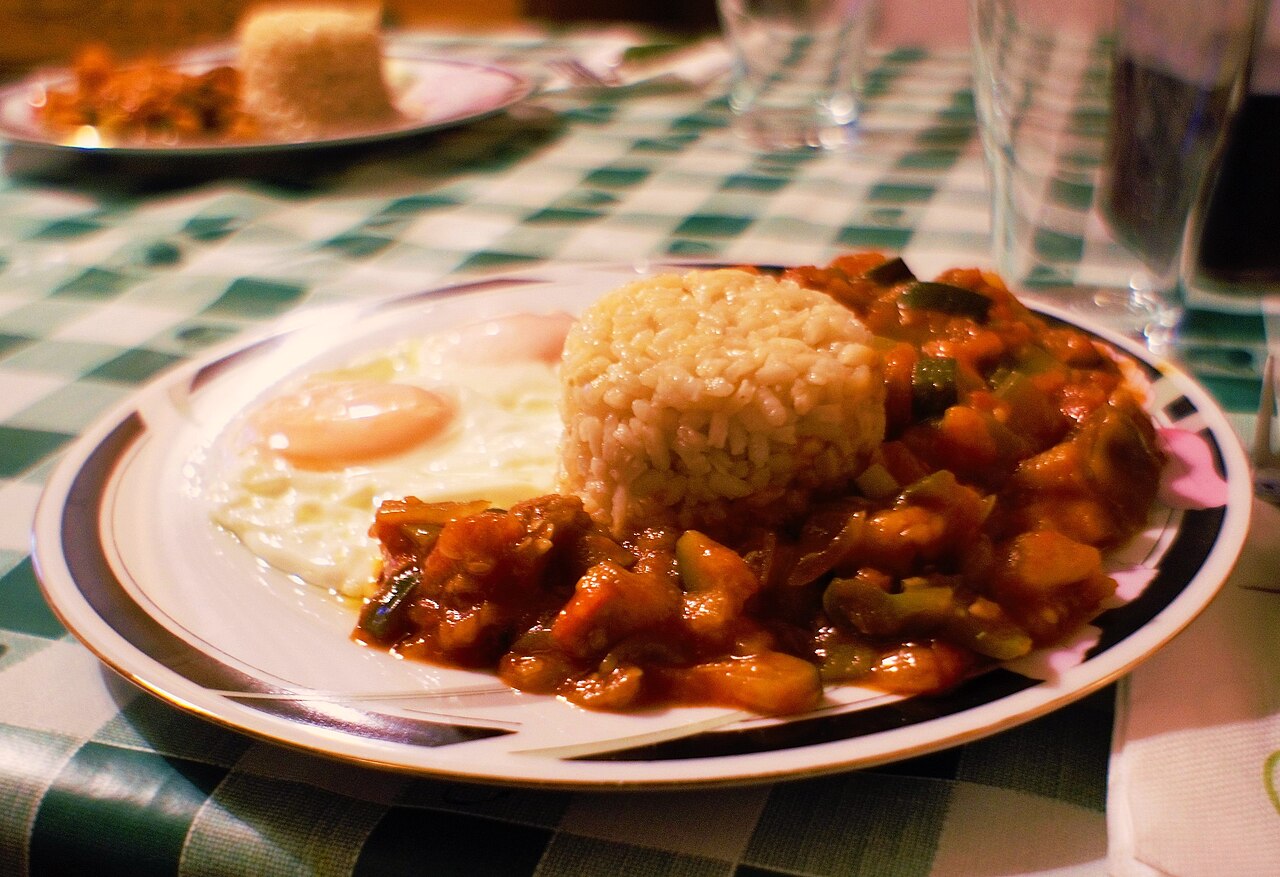
Guadalajara's cuisine is hearty Castilian fare. Don't miss cordero asado (roast lamb) cooked in wood-fired ovens, migas del pastor (shepherd's breadcrumbs with chorizo and grapes), and gachas manchegas (savoury porridge with pork). Local cheeses from sheep's milk, particularly those from nearby Brihuega, are excellent. For dessert, try alajú — a dense honey-and-almond cake of Moorish origin. The city's tapas culture is generous: many bars serve a free tapa with every drink ordered. The Calle Mayor and Plaza Mayor areas have the highest concentration of quality tapas bars.