Sustainable Travel · Italy
Eco Hotel a Umbria — Your 2026 Guide to Italy's Green Heart
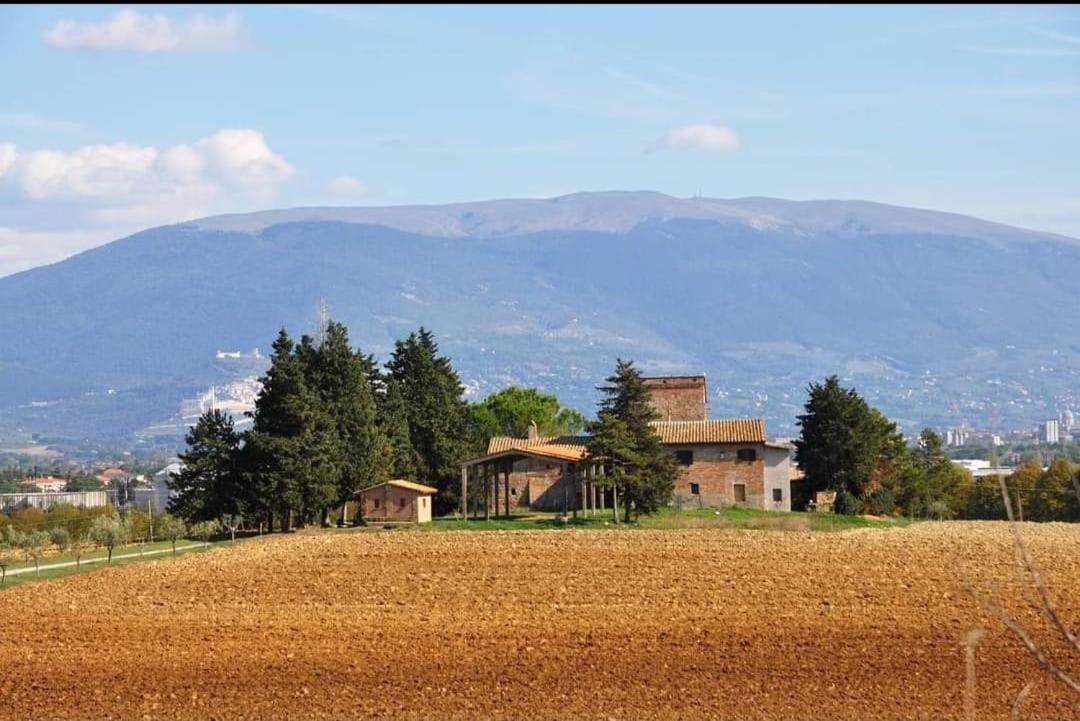
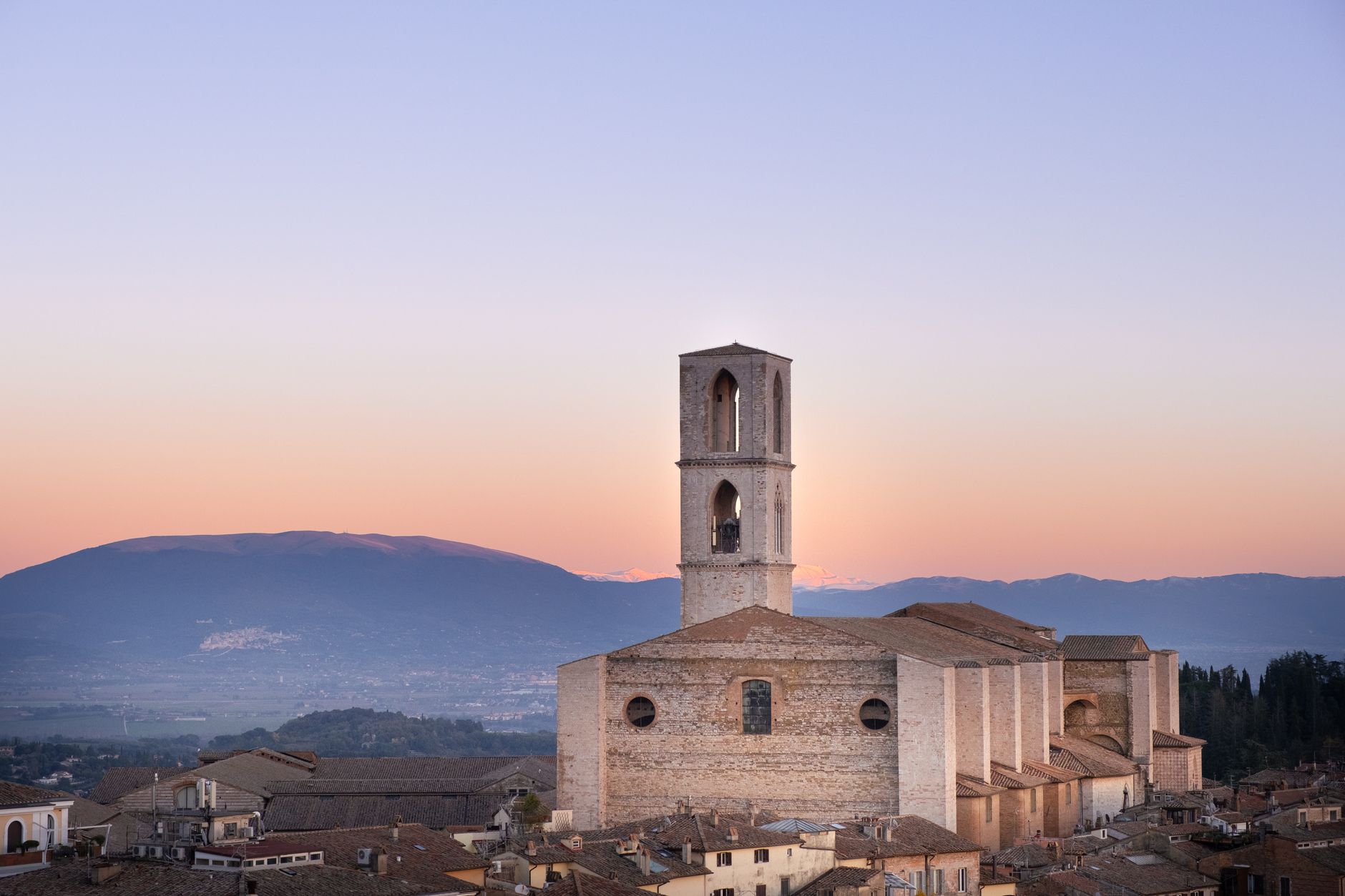
Umbria calls itself the Green Heart of Italy for good reason. Landlocked between Tuscany and Lazio, this hill-country region is all rolling forest, medieval pilgrimage towns, and farmland producing black truffles, Castelluccio lentils, and Sagrantino wine. Unlike its more famous neighbour, Umbria rarely feels overcrowded — even at peak summer, the hilltop streets of Orvieto, Gubbio, and Todi remain walkable and unhurried. Assisi, birthplace of St Francis and the patron saint of ecology, draws pilgrims and eco-conscious travellers seeking something deeper than a photo-op. The region has designated 12 nature reserves and a national park, making it one of Italy's genuinely greenest corners. Book any Umbrian agriturismo or stone-built boutique hotel through IMPT and 1 tonne of UN-verified CO₂ is retired on Ethereum the moment you confirm — at the exact same price as any other booking platform.
Umbria's Medieval Towns — Where to Base Yourself
Perugia is the cosmopolitan regional capital: a medieval hilltop city of 165,000 with a UNESCO-recognised historic centre, a large university atmosphere, excellent train links (30 min to Assisi, 2h to Rome, 2.5h to Florence), and a vibrant cultural scene. The pedestrianised Corso Vannucci and surrounding lanes hold palaces, museums (the Galleria Nazionale dell'Umbria is exceptional), and some of Italy's best chocolate (Perugina, the birthplace of Baci chocolates). October's Eurochocolate Festival draws 1 million visitors.
Assisi is quieter and more immediately beautiful — a hill town of 25,000 whose pink travertine streets lead inevitably to the vast double-decker Basilica of St Francis, containing Giotto's extraordinary fresco cycle. The town is almost entirely pedestrianised, buses and taxis stop at the gates, and the spiritual atmosphere is genuine rather than performed. Just 4 km below Assisi, the Basilica of Santa Maria degli Angeli shelters the tiny chapel where Francis died.
Orvieto is arguably Umbria's most dramatic arrival: the city rises 300 metres above the surrounding plain on a volcanic tufa cliff, accessible by funicular from the train station below. Its cathedral façade is ranked among the finest Gothic works in Europe. The Orvieto Classico white wine DOC produces clean, mineral Grechetto and Trebbiano. Spoleto, further south, is home to the prestigious Festival dei Due Mondi (two worlds arts festival) every June–July, with outdoor concerts in Roman amphitheatres.
- Perugia: Best urban base, trains to Rome and Florence, museums, chocolate
- Assisi: Spiritual and artistic heart of Umbria, walkable, relatively quiet
- Orvieto: Dramatic hilltop arrival, cathedral, white wine, underground caves
- Spoleto: Arts festival, Roman aqueduct, mountain gateway
- Norcia: Truffle capital, cured meats, Sibillini mountains base, earthquke-rebuilt
Nature, Parks, and Sustainability in Umbria
The Parco Nazionale dei Monti Sibillini is Umbria's wildest corner — a Apennine massif rising to 2,476 metres, with wolves, golden eagles, and one of Italy's most spectacular spring landscapes: the Piano Grande plateau near Castelluccio blooms with wild lentils, poppies, and narcissi every May and June, creating a natural carpet visible from the surrounding mountain roads. The plateau is also the site of paragliding, hang-gliding, and nordic walking in summer and cross-country skiing in winter.
Lake Trasimeno is the largest lake in Central Italy — a shallow, reed-fringed wetland of 128 km² protecting migratory birds, carp, and freshwater turtles. A 60-km cycling route circles the lake over two days, passing three island villages (Isola Maggiore, Isola Polvese — now a nature reserve, Isola Minore) accessible by ferry. The lakeside towns of Passignano, Tuoro, and Castiglione del Lago have B&Bs and small hotels with water views from €55/night.
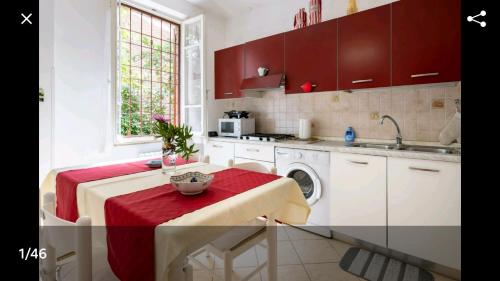
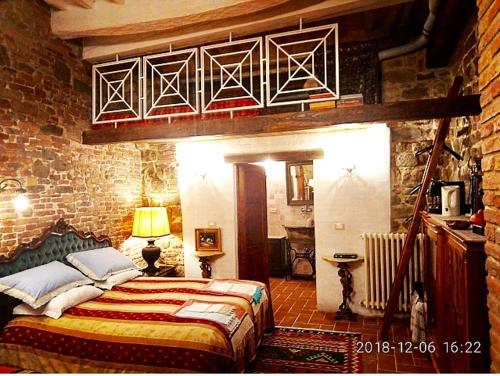
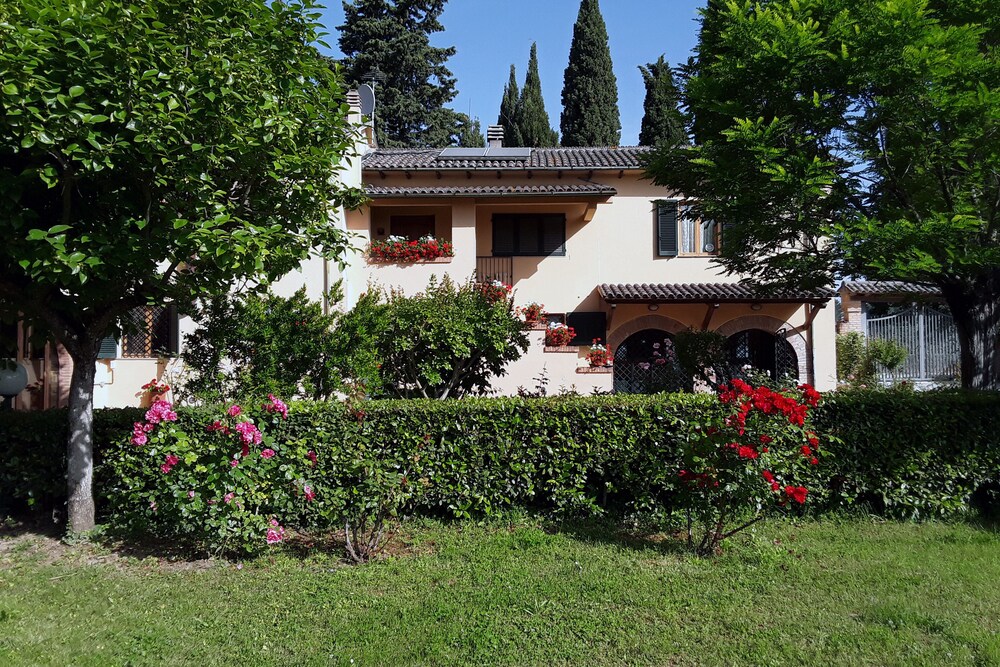
Umbria's agriturismo network is the backbone of sustainable travel here. Working farms producing olive oil, wine, lentils, truffles, and vegetables offer rooms, cooking courses, and farm walks. Many hold Agriturismo BioItalia organic certification. Staying on a certified organic farm in Umbria means your dinner travelled five metres from field to plate, your breakfast olive oil was pressed in the mill outside your window, and your wine was grown without synthetic inputs in the vineyard you can see from the terrace.
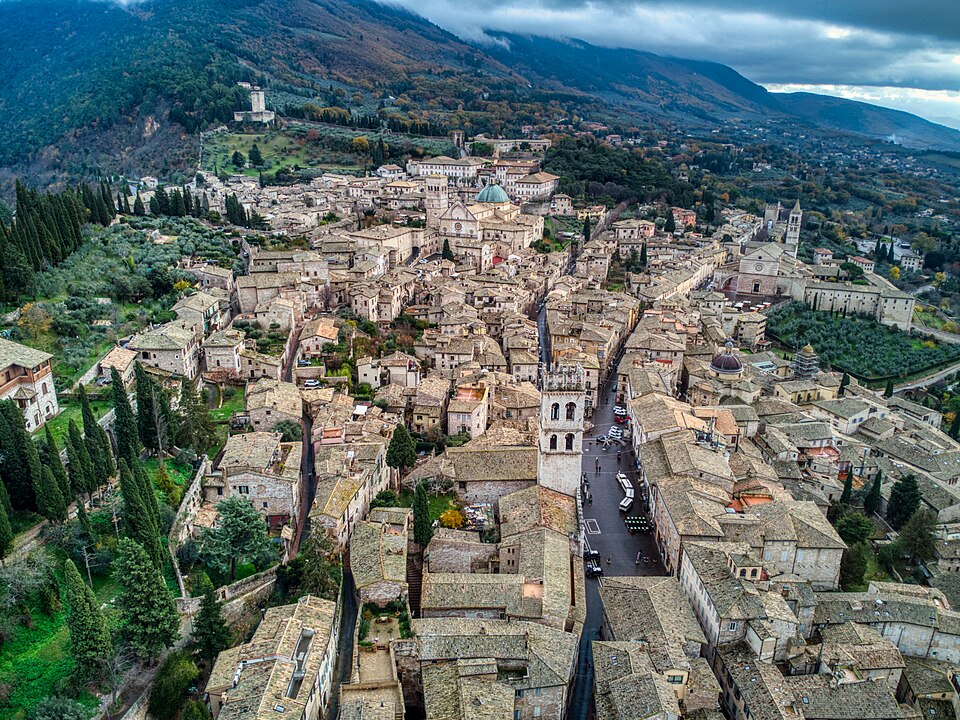
🌿 Patron of Ecology: St Francis of Assisi — patron saint of ecology and animals — was born here in 1182. His 1225 Canticle of the Creatures is considered one of the world's first environmental texts. Visiting Assisi through IMPT doubles the environmental tribute: 1 tonne of CO₂ removed per night you stay.
Truffles, Sagrantino, and the Via di Francesco
Umbria's food culture is centred on the forest. Black truffles from Norcia (the tartufo nero di Norcia) are among Italy's most prized — hunters with their trained dogs (typically Lagotto Romagnolo or mixed breeds) head into oak and beech forest from December to March. The Norcia truffle fair (Mostra Mercato del Tartufo Nero) runs in late November and is one of Central Italy's most atmospheric food events. Truffle-hunting experiences are available from farms near Norcia, Cascia, and Scheggino year-round — a morning with a trifolao and their dog is unforgettable.
Sagrantino di Montefalco (DOCG) is Umbria's flagship red wine — a tannic, intensely structured wine from the Sagrantino grape grown only around the medieval town of Montefalco, 12 km south of Foligno. Wine estates around Montefalco and Bevagna offer cellar visits and accommodation. The Strada dei Vini del Sagrantino is a marked cycling route connecting producers.
The Via di Francesco walking route follows St Francis's life across Umbria — from Gubbio (where he tamed the wolf) through Assisi, Spello, Foligno, Trevi, and Spoleto toward Rome. The Umbrian section covers around 120 km, typically walked in 6–8 days, with pilgrim accommodation (ostelli della pace) at regular intervals from €25/night. For more comfortable stays, IMPT lists B&Bs and agriturismi along the route. For IMPT's corporate retreat clients, Umbria offers conference facilities and team experiences in restored monasteries and medieval fortresses — with full ESG carbon reporting built in.
How IMPT Makes Your Umbria Stay Carbon-Negative
Una notte media in hotel produce circa 35 kg of CO₂. When you book any Umbria hotel through IMPT, we retire 1,000 kg of UN-verified carbon removal credits — 28 times what your stay produces. Not carbon neutral: carbon-negative. The cost? Zero. IMPT funds removal from its booking commission. You pay the standard nightly rate, the same as Booking.com. Credits are tokenised on Ethereum with a public retire code anyone can verify.
- €5 di credito gratuito when you sign up — applied to your first Umbria booking
- 5% back on every stay — 3% funds carbon projects, 2% as travel credit
- 8M+ hotels worldwide, 195 countries
- Cancellazione gratuita on most rates, typically up to 48h before check-in
Beyond Hotels — More Ways IMPT Works in Umbria
Shop through IMPT's 25,000+ retail partners for green cashback on walking gear, olive oil, and truffle products before or after your trip. Send someone an Umbria trip credit gift — carbon offset included, GPS-tagged trees planted.
Purchase IMPT carbon credit vouchers as a standalone gift for eco-conscious travellers: three tiers from $40, recipient chooses the climate project, retired on-chain permanently. The Goodness Programme rewards sustainable travel and lifestyle choices with up to 25% discounts on hotels and shopping.
Running events in Italy? Country Ownership offers 50% revenue share on all Italy-registered IMPT transactions, with 8% APY staking yield — book a consultation call to check availability.
Domande Frequenti
Why is Umbria called the Green Heart of Italy?
Umbria earned its nickname from its geography and philosophy. It is Italy's only landlocked region, and around 40% of its area is forested — dense chestnut, oak, and beech woodland covering the Apennine hills. The Parco Nazionale dei Monti Sibillini, Lake Trasimeno, and twelve regional nature reserves protect exceptional biodiversity. The label also carries a spiritual dimension: Assisi, birthplace of St Francis (patron saint of ecology, who in 1225 wrote the Canticle of the Creatures — one of the world's earliest environmental texts), sits at the literal heart of the region.
What are the best towns to visit in Umbria?
Perugia is the cosmopolitan base — a medieval hilltop city with universities, museums, chocolate, and great train connections. Assisi's Basilica of St Francis contains Giotto's celebrated fresco cycle and sits in a largely pedestrianised pink-stone hill town. Orvieto rises 300 metres above the plain on a volcanic cliff, with a Gothic cathedral widely considered Italy's finest. Spoleto has the Festival dei Due Mondi arts festival and a Roman aqueduct. Norcia is Italy's truffle capital. Gubbio is medieval, rarely overcrowded, and extraordinarily well-preserved.
When is truffle season in Umbria?
Umbria has overlapping truffle seasons across the year. The prized black truffle (tartufo nero di Norcia) peaks from December to March. Summer truffles (scorzone) run July to October. White truffles (rarer in Umbria than in Piedmont) peak October to December. The famous Norcia Truffle Fair is held in late November. Truffle hunting experiences with trained dogs and certified hunters are available year-round from farms and agriturismo estates near Norcia, Scheggino, Cascia, and Città di Castello.
Is Umbria more affordable than Tuscany for accommodation?
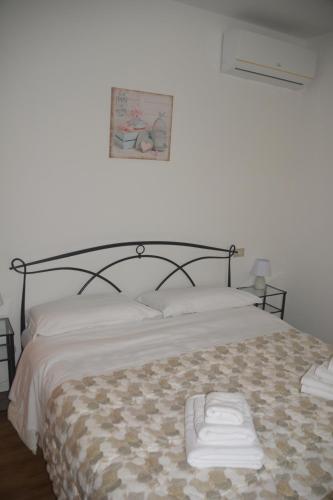
Generally yes — Umbria offers comparable agriturismo and boutique hotel quality to Tuscany at noticeably lower prices. Expect €60–90 for a farmhouse B&B with breakfast, and €100–150 for a mid-range boutique hotel in Perugia or Orvieto. Assisi has a wide range including pilgrim hospices from €40. Booking through IMPT costs the same as any platform — no premium for carbon removal — with €5 di credito gratuito per i nuovi membri and 5% back on every stay.
What is the Via di Francesco and how do I walk it in Umbria?
The Via di Francesco is a marked pilgrimage walking route following places associated with St Francis of Assisi. The Umbrian section runs from Gubbio through Assisi, Spello, Foligno, Trevi, and Spoleto, continuing toward Rome — around 120 km total, typically walked in 6–8 days. Pilgrim accommodation (ostelli della pace) is available at regular intervals from around €25/night. More comfortable B&Bs and agriturismi along the route can be booked through IMPT, with 1 tonne CO₂ removed per night.
← Back to Italy Eco-Hotels · Nearby: Tuscany · Rome · Assisi · Browse All Countries · Aziende Travel · Gift a Trip
Eco Hotels
Showing 12 eco-friendly hotels. Book on IMPT — the same price as Booking.com.