Sustainable Travel · Italy
Eco Hotel a Assisi — Your 2026 Guide to Soggiorni Sostenibili
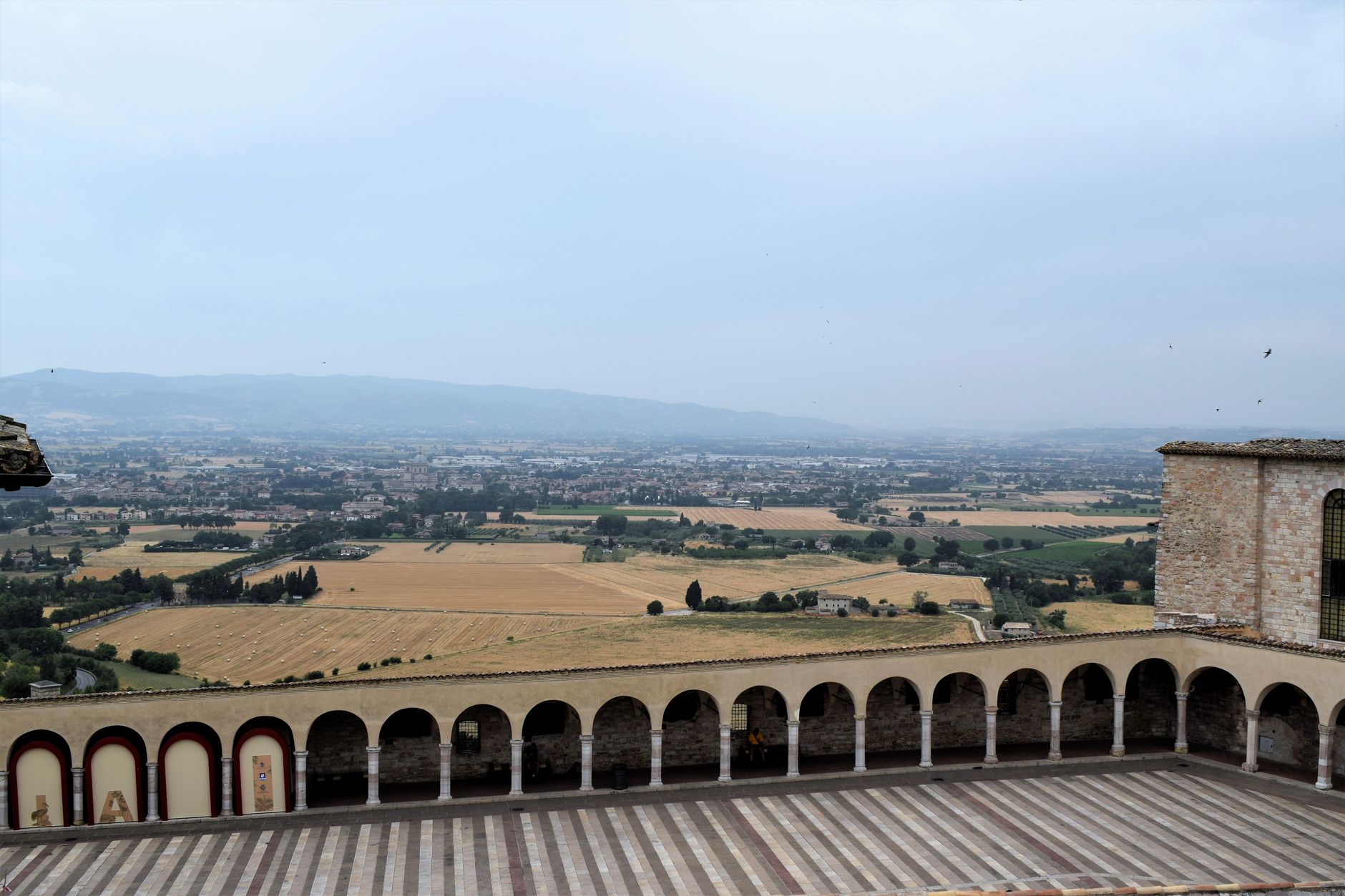
Perched on the western slopes of Monte Subasio in the heart of Umbria, Assisi is among the most spiritually and ecologically resonant cities in all of Italy. Birthplace of St Francis — the friar who spoke to birds, stripped himself of all possessions, and is now recognised as the patron saint of ecology — the town carries a quiet ethos of simplicity and reverence for the natural world that permeates its rose-pink stone lanes, its terraced olive groves, and the vast panorama of the Umbrian plain spread below. The historic centre is a UNESCO World Heritage Site. Cars are banned from the medieval core. The food is rooted in Umbrian soil — black truffles, lentils from the Castelluccio plateau, Sagrantino wine. And when you book any Assisi hotel through IMPT, 1 tonne of UN-verified CO₂ is physically removed from the atmosphere — an act St Francis himself might have approved of.
Why Assisi for Sustainable Travel
Assisi's sustainability credentials begin with its geography. The medieval town occupies a natural ridge at 424 metres above the valley floor, cooled by mountain breezes in summer and insulated by thick stone walls year-round. The centro storico is entirely pedestrianised — no cars, no scooters, no emissions within the walls. What remains is silence, footsteps on worn cobblestone, and the bells of the Basilica of St Francis rolling across the hillside at intervals.
The Basilica itself — a double-decker Gothic-Romanesque complex that rises from the western end of the town — is the centrepiece of any visit. The Lower Basilica contains Cimabue's damaged frescoes and the tomb of St Francis; the Upper Basilica holds Giotto's celebrated 28-panel fresco cycle depicting the saint's life, painted around 1297 and among the most important artworks in Western tradition. Admission is free. Dress codes are enforced — bring a scarf and avoid shorts.
Beyond the walls, Monte Subasio Regioneeal Park offers a network of walking and cycling trails through ancient oak forest, wildflower meadows, and the ruins of hermitage retreats used by St Francis himself. The Carceri Hermitage — a wooded ravine on the mountainside where Francis retreated to pray — is 4 kilometres uphill and entirely worth the climb. Spring brings anemones and orchids to the slopes; autumn turns the forest amber and releases the truffle season across Umbria.
Assisi's car-free historic centre makes it Italy's most walkable pilgrimage town. Book through IMPT and add 1 tonnellata di CO₂ verificata removal to every night — at no extra cost. Search Assisi hotels →
Best Areas to Stay in Assisi
Centro Storico — The Heart of the Hilltop
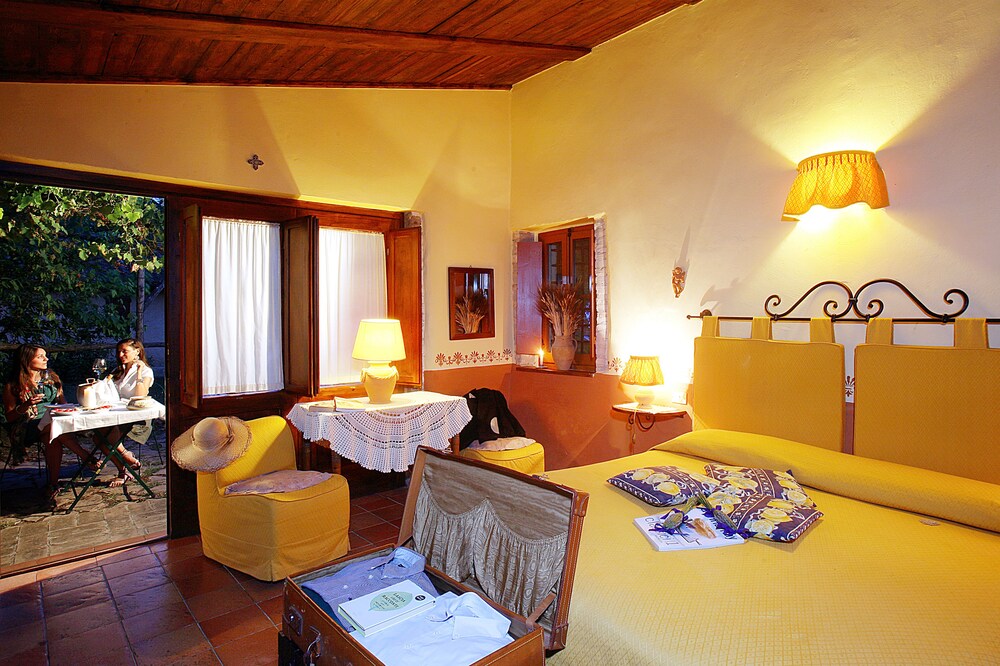
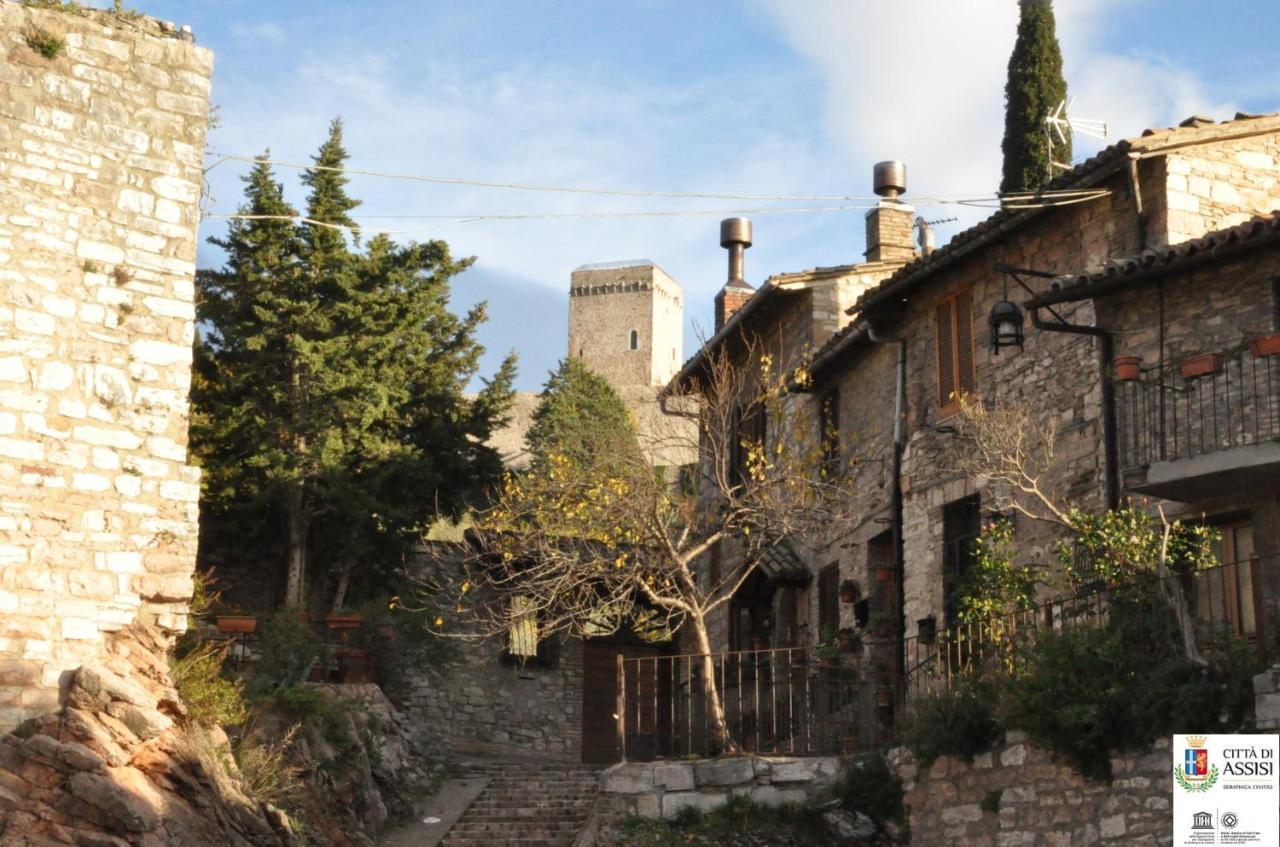
The medieval core between the Basilica di San Francesco to the west and the Rocca Maggiore fortress to the east contains Assisi's most atmospheric accommodation. Hotels in converted medieval palazzi, family-run locande with stone-vaulted ceilings, and monastery guesthouses offering simple rooms with sweeping views are all available within this compact area. Staying here means you walk everywhere — the Piazza del Comune, the Temple of Minerva, the Basilica di Santa Chiara — without needing any transport at all.
Porta Nuova & Eastern Assisi
Below the Rocca Maggiore on the town's eastern slope, the Porta Nuova area is quieter than the tourist-heavy centre while still within easy walking distance of the main sights. Some of Assisi's better-value hotels are located here, with terraces looking east across the plain towards Spello and Foligno. The area connects by foot to the Via Francescana — a pilgrimage walking route linking Assisi to La Verna and Sansepolcro — for day-walkers who want to experience the landscape as St Francis did.
Santa Maria degli Angeli — The Lower Town
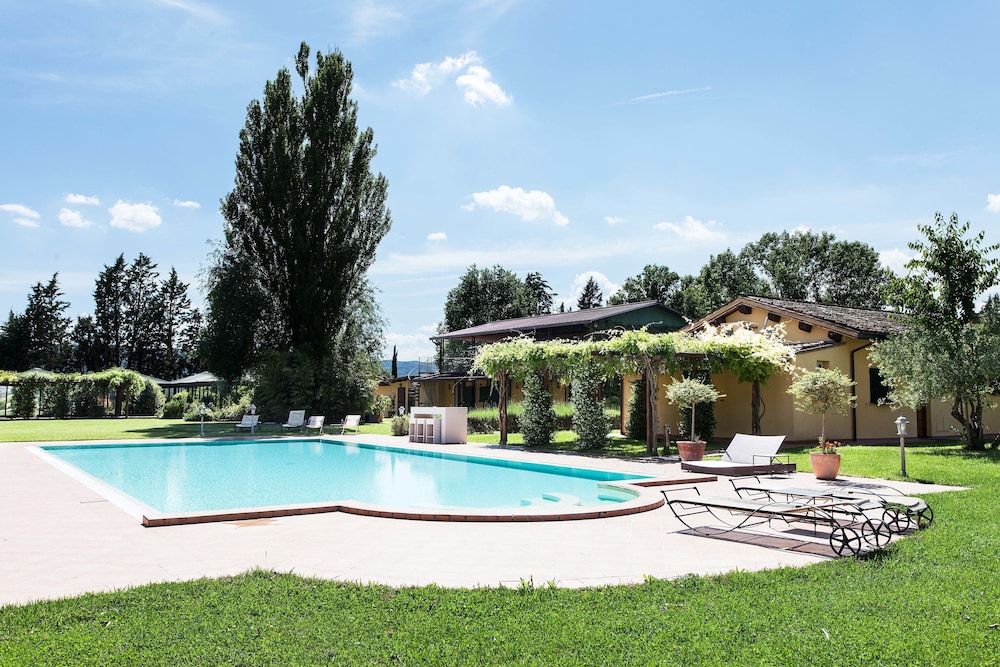
The valley town below Assisi, centred on the enormous Basilica of Santa Maria degli Angeli (which encloses the tiny Porziuncola chapel where St Francis died), offers a wider range of hotel options at lower prices. Assisi train station is here, making it convenient for rail arrivals. Regular minibuses connect to the hilltop historic centre in 10 minutes. The Porziuncola plain is flat and excellent for cycling — several agriturismi in the olive-grove landscape between the lower town and the hill are accessible by bike.
Umbrian Food & Sustainable Eating in Assisi
Umbrian cuisine is rooted in the land in a way that few Italian regional cuisines match. The black truffle — dug from the forests of the Apennines and the Valnerina valley — appears on menus throughout the year, either fresh in autumn and winter or preserved. Norcineria (the art of cured pork, named for the town of Norcia) is central to Umbrian food culture. The lentils of Castelluccio di Norcia, grown on a mountain plateau at 1,452 metres, are among Italy's finest — nutty, thin-skinned, requiring no soaking.
In Assisi itself, the restaurants on Via Portica and Via San Rufinodel specialise in local produce cooked simply. Look for torta al testo (flatbread cooked on a stone griddle, filled with cured meats or fresh greens), strangozzi pasta with truffle sauce, and the local Grechetto white wine from the Umbria IGT designation. The weekly market in the Piazza del Comune sells direct from producers — better quality and better value than the souvenir-shop versions.
How IMPT Makes Your Assisi Stay Carbon-Negative
Here's the maths. Una notte media in hotel produce circa 35 kg of CO₂ — from heating, laundry, lighting, and food service. When you book any Assisi hotel through IMPT, we retire 1,000 kg of UN-verified carbon removal credits. That's 28 times what your stay produces. Not carbon neutral — carbon-negative.
The cost to you? Zero. IMPT funds the removal from its booking commission. You pay the standard nightly rate. The carbon credits are tokenised on Ethereum, retired against a named project, with a public retire code anyone can verify. No double-counting. No greenwashing. Just verified carbon removal, every night.
- €5 di credito gratuito when you sign up — applied to your first Assisi booking
- 5% back on every stay — 3% funds carbon projects, 2% as travel credit
- 8M+ hotels worldwide, 195 countries — Assisi is just the start
- Cancellazione gratuita on most rates, typically up to 48 hours before check-in
Beyond Hotels — More Ways IMPT Works in Assisi
Shop through IMPT's 25,000+ retail partners for cashback on purchases that also offset carbon. Send someone a trip credit gift to visit Assisi — IMPT plants trees with named farmers, GPS-tagged and photo-verified.
For business travel, IMPT's B2B Aziende Travel platform gives you exclusive rates, automatic ESG reporting, and a single dashboard tracking every booking's carbon impact. Companies with CSRD compliance needs get automated sustainability reporting out of the box.
Interested in running IMPT in Italy? Country Ownership offers 50% revenue share on every transaction from Italian-registered users, with 8% APY staking yield. Book a call →
Domande Frequenti
Are there hotel ecologici inside Assisi's historic centre?
Yes. Several hotels, convents, and agriturismo properties operate within or immediately below the medieval walls of Assisi. Many are family-run establishments in centuries-old stone buildings with small environmental footprints. Cars are restricted in the centro storico so the area is naturally quiet and walkable. Booking through IMPT adds 1 tonnellata di CO₂ verificata removal per stay at no extra cost.
How do I get to Assisi without a car?
Assisi is well served by rail. Trenitalia trains connect Assisi station (in the lower town of Santa Maria degli Angeli) with Florence in about 2 hours and Rome in 2.5 hours. From the station, local buses and a minibus climb to the hilltop historic centre in under 15 minutes. A car is not needed once you arrive — the centro storico is pedestrian-only.
What makes Assisi special for eco-conscious visitors?
Assisi has a centuries-old relationship with nature and simplicity — St Francis of Assisi, born here in 1181, is the patron saint of ecology in the Catholic tradition. The town is car-free in its historic core, built entirely for walking, with sweeping views across the Umbrian plain. Local food is grounded in Umbrian produce: black truffles, lentils from Castelluccio, Sagrantino wine, and olive oil from the terraced hillsides.
What is the best time to visit Assisi?
Spring (April–May) and autumn (September–October) offer the most pleasant conditions — mild temperatures, wildflowers on Monte Subasio in spring, and the truffle and harvest festivals of autumn. The Calendimaggio medieval festival in early May and the Feast of St Francis on 4 October are Assisi's two biggest annual events. Summer is busy but the hilltop position keeps temperatures cooler than the valley.
How much do hotels in Assisi cost on IMPT?
Assisi hotel rates on IMPT start from around €70 per night for a simple room in the historic centre or a monastery guesthouse. Comfortable mid-range hotels with views across the Umbrian plain range from €100–€160. Luxury agriturismo properties in the surrounding hills typically start at €180. Every booking includes 1 tonnellata di CO₂ verificata removal. New members receive a €5 credit.
← Back to Italy Eco-Hotels · Browse All Countries · Aziende Travel · Gift a Trip · Carbon Vouchers
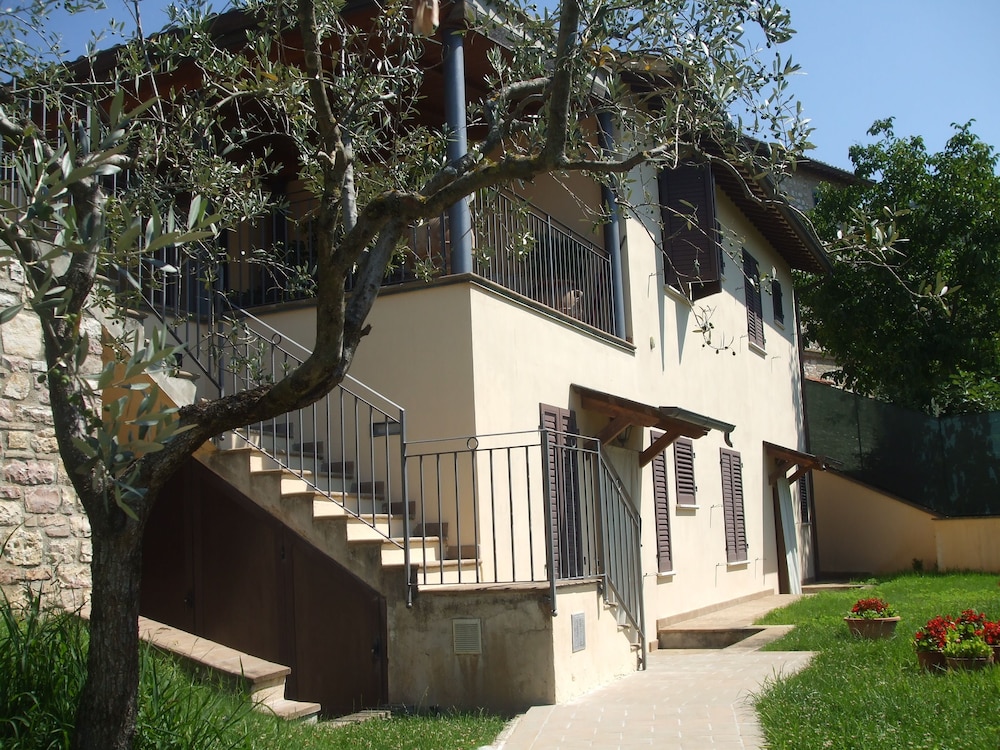
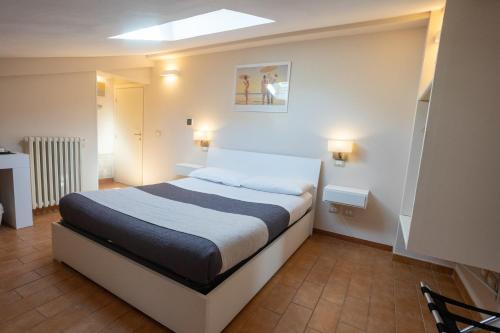
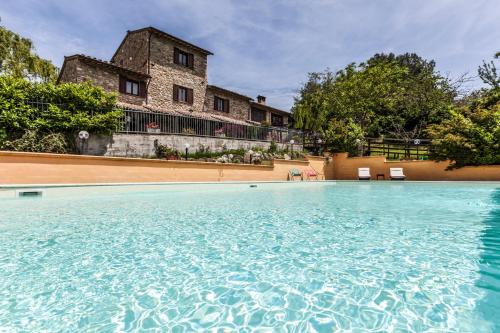
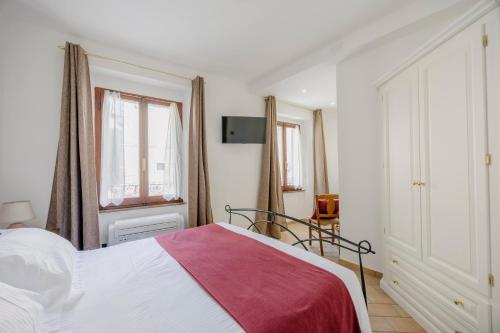
Eco Hotels
Showing 12 eco-friendly hotels. Book on IMPT — the same price as Booking.com.