Sustainable Travel · Italy
Eco Hotel a Genoa — Your 2026 Guide to Soggiorni Sostenibili
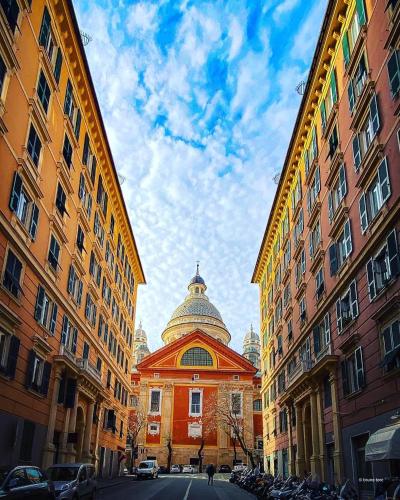
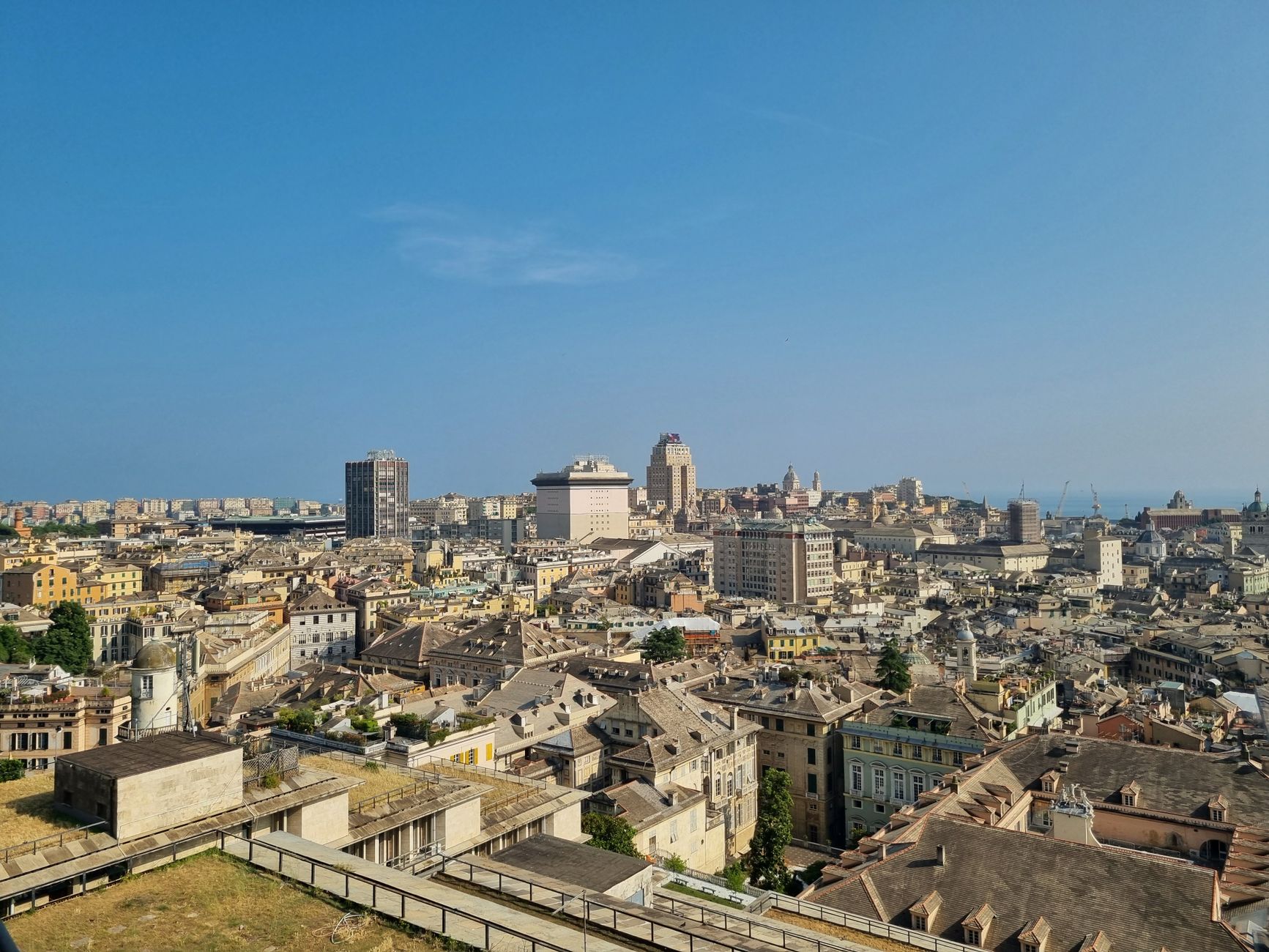
Genoa is Italy's most underestimated city. Pressed between the Apennine mountains and the Ligurian Sea, it holds the largest medieval historic centre in Europe — a tangle of caruggi (alleyways sometimes barely a metre wide) where Renaissance palaces lean so close overhead they nearly touch, and where the original pesto alla Genovese was pounded with basil, pine nuts, and Ligurian olive oil. The Porto Antico, redesigned by hometown architect Renzo Piano, is home to Europe's largest aquarium and a stunning harbour promenade. Book any Genoa hotel through IMPT and we retire 1,000 kg of UN-verified carbon for every night you stay — at the same rate you'd pay anywhere else.
Genoa Neighbourhoods: Dove Alloggiare
Centro Storico (Caruggi) — Medieval Labyrinth
The historic centre is Genoa's soul — and UNESCO's largest protected medieval old town in Europe. Streets like Via del Campo and Vico degli Indoratori are barely wide enough for two people to pass, flanked by Baroque palaces (many now dilapidated, which adds to the drama). Hotels here tend to be smaller B&Bs and boutique properties; some occupy genuine Renaissance buildings with original frescoes. It's loud, vibrant, occasionally edgy, and unforgettable. The Palazzo Reale and Palazzo Rosso (Strada Nuova museums) are both walkable.
Porto Antico — Waterfront Modernity
Renzo Piano's transformation of Genoa's old commercial port into a leisure destination is one of Italy's great urban regeneration stories. The Aquarium of Genoa (Italy's most visited paid attraction), the Bigo crane viewing platform, and the Biosfera greenhouse all cluster around the waterfront. Hotels here are typically modern and business-oriented, with harbour views and easy access to the ferry terminal. It's a 10-minute walk to the Caruggi.
Albaro and Sturla — Residential East
East of the centre, Albaro is a quiet residential district of Liberty-style villas and broad boulevards, popular with families and longer-stay visitors. The beach at Sturla is Genoa's closest urban swimming spot. Buses and the metropolitan railway connect easily to Brignole station and the centre.
Sustainability and Getting Around Genoa
Genoa's topography — squeezed between mountains and sea — has always pushed the city towards vertical transport solutions. The funicular railways (Zecca-Righi and Granarolo) and historical ascensori (lifts embedded into hillsides) are public transport infrastructure, not tourist attractions. Walking the Caruggi is not just atmospheric; it's the only way through. Taxis and private cars are essentially useless in the medieval centre.
The Ligurian coast's mild climate and train connectivity mean Genoa can be toured efficiently without a car. Regioneeal trains reach Cinque Terre (1.5 hours), the French Riviera (2 hours to Nice), and Milan (1.5 hours). Ferries from the Porto Antico connect to Sardinia, Corsica, and Palermo — slower but dramatically lower-carbon than flying.
🌿 Pesto Tip: The Mercato Orientale (Genoa's covered food market, open Monday–Saturday) is the place to buy genuine Ligurian basil, pine nuts, and aged Pecorino Sardo for making authentic pesto. Most hotel concierges can recommend a cooking class.
Top Experiences in Genoa
- Acquario di Genova: Europe's second-largest aquarium, a must for families; arrive early on weekends to beat queues. The attached Biosfera tropical greenhouse is separately ticketed and excellent.
- Strada Nuova / Rolli Palaces: The UNESCO-listed sequence of Palazzo Rosso, Palazzo Bianco, and Palazzo Tursi contain Rubens, Van Dyck, and one of Paganini's violins.
- Cattedrale di San Lorenzo: A striped black-and-white marble Gothic cathedral in the heart of the Caruggi, with the legendary bowl said to have held the Holy Grail.
- Boccadasse: A tiny fishermen's village absorbed into Genoa's eastern suburbs, with coloured houses, a pebble beach, and the city's best gelato at Bar Il Porto.
- Portofino: Forty-five minutes by ferry or bus, the most photographed village on the Italian Riviera — worth a day trip for the harbour, the Castello Brown, and the headland walk to San Fruttuoso Abbey.
- Cinque Terre: Direct trains from Genova Brignole reach the five villages in under 2 hours — Genoa is a perfect base for the trail and a much more affordable base than staying in the villages themselves.
How IMPT Makes Your Genoa Stay Carbon-Negative
Here's the maths. Una notte media in hotel produce circa 35 kg of CO₂ — from air conditioning, laundry, lighting, and food service. When you book any Genoa hotel through IMPT, we retire 1,000 kg of UN-verified carbon removal credits. That's 28 times what your stay produces. Not carbon neutral — carbon-negative.
The cost to you? Zero. IMPT funds the removal from its booking commission. You pay the standard nightly rate — the same as you'd find on Booking.com. The carbon credits are tokenised on Ethereum, retired against a named project, with a public retire code anyone can verify. No double-counting. No greenwashing. Just verified carbon removal, every night.
- €5 di credito gratuito when you sign up — applied to your first Genoa booking
- 5% back on every stay — 3% funds carbon projects, 2% as travel credit
- 8M+ hotels worldwide, 195 countries — Genoa is just the start
- Cancellazione gratuita on most rates, typically up to 48 hours before check-in
Beyond Hotels — More Ways IMPT Works in Genoa
Shop through IMPT's 25,000+ retail partners for cashback on purchases that also offset carbon. Send someone a trip credit gift to visit Genoa or the Ligurian coast — or choose a carbon voucher (3 months/$40, 6 months/$80, 12 months/$150).
For corporate travel to Genoa — the city hosts Italy's largest maritime and port industry events — IMPT's B2B Aziende Travel platform gives you consolidated ESG reporting, automatic carbon offsetting, and corporate invoicing. CSRD-ready reporting is built in.
Interested in running IMPT in Italy? Country Ownership offers 50% revenue share on every transaction from Italy-registered users, with 8% APY staking yield. Book a call →
Domande Frequenti
What is Genoa best known for as a travel destination?
Genoa is best known for its UNESCO-listed historic centre — the largest medieval old town in Europe — and as the birthplace of Christopher Columbus. It's the home of pesto alla Genovese and a major gateway to the Cinque Terre and Italian Riviera. The Porto Antico waterfront, redesigned by Renzo Piano, is a world-class leisure destination with Europe's largest aquarium.
How does IMPT carbon removal work for Genoa hotel bookings?
Every hotel booking made through IMPT retires 1,000 kg (1 tonne) of UN-verified carbon removal credits on the Ethereum blockchain. Una notte media in hotel produce circa 35 kg of CO₂, so each IMPT booking removes approximately 28 times more than the stay produces — at zero extra cost to you.
Are IMPT hotel prices in Genoa the same as Booking.com?
Yes — IMPT offers the same rates as major OTAs for Genoa hotels. New members receive €5 di credito gratuito on their first booking, and earn 5% back on every stay: 3% funds a carbon removal project of your choice, 2% becomes travel credit.
Which area of Genoa is best for a hotel stay?
The Centro Storico (Caruggi district) is the most atmospheric, with streets barely 2 metres wide and Baroque palaces rising 5 storeys overhead. Porto Antico has modern hotels with harbour views and easy Aquarium access. Albaro and Quarto dei Mille, east of centre, are quieter residential areas with good transport links.
Is Genoa a good base for visiting Cinque Terre?
Excellent. Trains from Genova Brignole reach La Spezia (gateway to Cinque Terre) in 1.5 hours, with some trains stopping at the villages directly. Staying in Genoa gives you access to the full Ligurian Riviera — Portofino is 35 minutes by boat or bus — while enjoying the depth of a major city with better hotel value.
← Back to Italy Eco-Hotels · Milan · Florence · Browse All Countries · Aziende Travel
Eco Hotels
Showing 7 eco-friendly hotels. Book on IMPT — the same price as Booking.com.