Sustainable Travel · Italy
Eco Hotel a Florence — Your 2026 Guide to Soggiorni Sostenibili
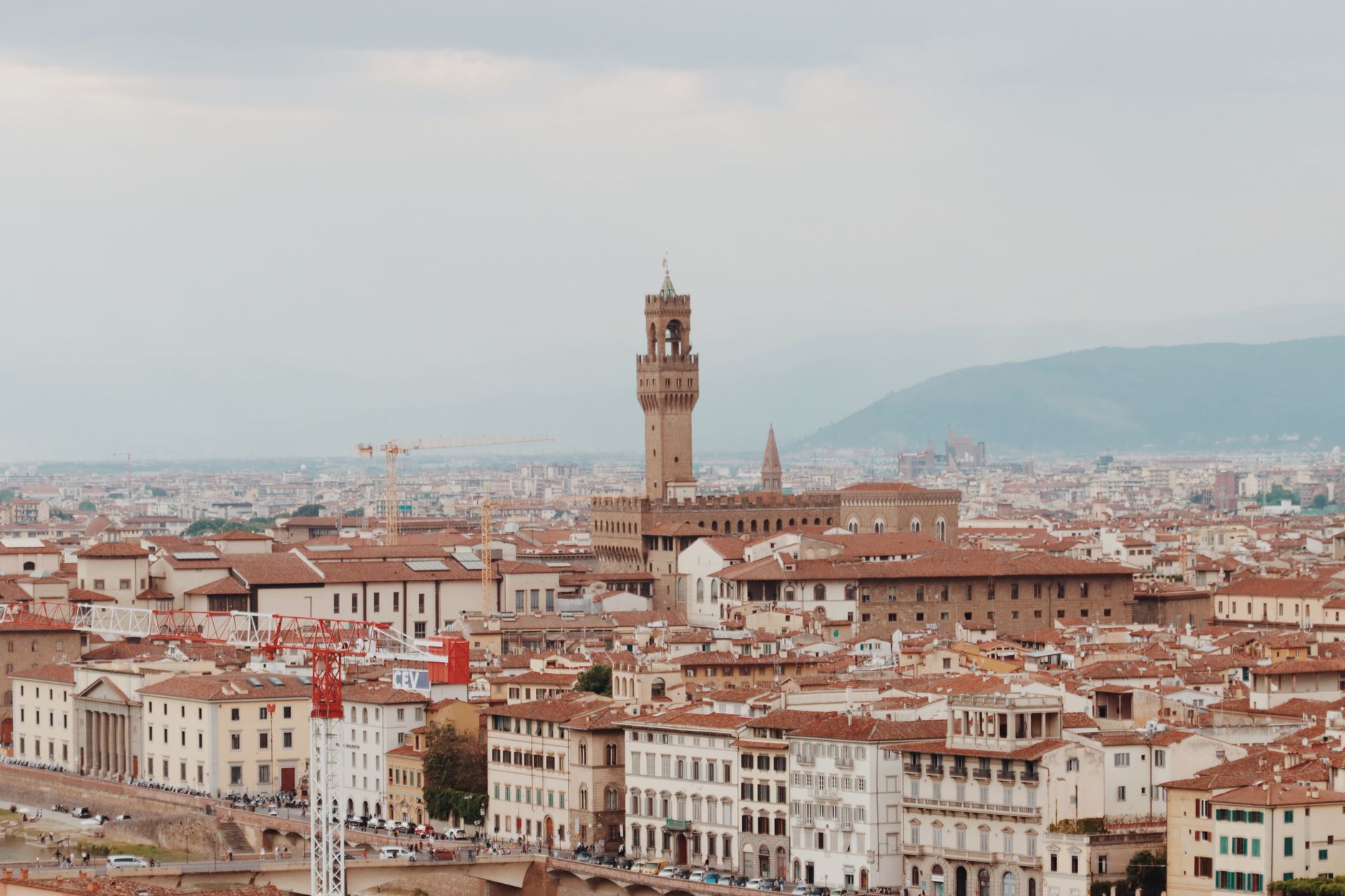
Florence, the cradle of the Renaissance, is gracefully evolving, embracing sustainable tourism to preserve its timeless beauty for future generations. For travellers drawn to its unparalleled art, architecture, and Tuscan charm with an eco-conscious heart, Florence offers a thoughtful array of green choices. From progressive urban planning and expanded public transport networks to hotels dedicated to minimizing their ecological footprint, the Tuscan capital is committed to a greener future. When you book your eco-friendly Florentine escape through IMPT, you not only enjoy competitive rates—often stesso prezzo di Booking.com o migliore—but also contribute to the removal of 1 tonne of UN-verified CO₂ from the atmosphere for every night of your stay. This is 28 times more than your stay typically produces, all at no extra cost to you.
Why Florence for Sustainable Travel
Florence is actively implementing a comprehensive "Ten-Point Plan for Sustainable Tourism" for 2026, aiming to manage visitor impact and preserve the city's unique character. This includes initiatives like "Florence Reward," which incentivizes eco-friendly visitor behavior, and efforts to tackle overtourism and enhance urban quality. The "EnjoyRespectFirenze" campaign further promotes responsible conduct.
The city strongly advocates for sustainable transportation. Florence was Italy's first city to implement a bike-sharing program and continues to expand its network of bike routes. New tram lines have significantly reduced carbon emissions, with battery-powered trams preserving historic aesthetics. The historic center is largely a "Zona a Traffico Limitato" (ZTL), making it exceptionally pedestrian-friendly. Florence is also part of CITyFiED, an EU program for enhancing energy efficiency, and promotes reusable water bottles through public drinking fountains.
IMPT gives you Florence at the same nightly rate — often up to same price as — than Booking.com. The difference? IMPT retires 1 tonne of verified carbon credits on-chain for every booking. No green premium. No feel-good certificate. Real, auditable carbon removal funded from our commission. Search Florence hotels now →
Best Areas for Eco-Conscious Stays in Florence
Oltrarno — Artisan Workshops, Authentic Florentine Life
Across the Arno River, the Oltrarno district is known for its artisan workshops, traditional trattorias, and bohemian atmosphere. It's a fantastic area for walking and discovering authentic Florentine life. Many local businesses here prioritize craftsmanship and sustainable practices.
Sant'Ambrogio — Vibrant Markets, Local Flavours
This vibrant neighborhood around the Mercato di Sant'Ambrogio offers a lively local experience. It's an excellent place to find fresh, seasonal produce and dine at traditional eateries. The area is highly walkable and provides a glimpse into everyday Florentine life, away from the main tourist throngs.
San Niccolò — Riverside Charm, Peaceful Views
Located at the foot of Piazzale Michelangelo, this charming area offers beautiful views and a relaxed pace. It's quieter than the city center but still within walking distance of many attractions. Accommodations here often leverage the peaceful surroundings and focus on local character.
Historic Center (outside main squares) — Timeless Beauty, Soggiorni Sostenibili
While the Duomo and Piazza della Signoria are bustling, many side streets and smaller squares within the historic center offer quieter, more authentic experiences. Look for hotels tucked away in these areas that prioritize sustainable practices and support local culture. The pedestrianized zones make walking the primary mode of transport.
How IMPT Makes Your Florence Stay Carbon-Negative
When you envision your enchanting journey to Florence, consider the environmental footprint of your accommodation. A typical hotel night generally contributes around 35 kg of CO₂ emissions. However, when you book any Florence hotel through IMPT, you initiate a profound ecological benefit: we ensure the retirement of a full 1,000 kg of UN-verified carbon removal credits on your behalf. This transforms your stay in Florence into a significantly carbon-negative experience, effectively removing 28 times more carbon than it produces.
This substantial environmental contribution comes at no additional cost to you. IMPT diligently covers the funding for this carbon removal directly from its booking commission. You'll secure the same high-quality room at the same competitive rate—and often, IMPT offers prices stesso prezzo di Booking.com o migliore for the identical property. Our commitment to transparency means these carbon credits are tokenized on Ethereum and publicly retired, providing you with verifiable proof of your meaningful contribution to a healthier planet.
- €5 di credito gratuito when you sign up – directly applied to your first Florence booking.
- 5% back on every stay – a portion (3%) funds certified carbon projects, while the remaining (2%) is returned to you as travel credit for future explorations.
- Access to 8M+ hotels globally, including a robust selection of eco-friendly options in Florence and around the world.
- Benefit from **free cancellation** on most rates, providing flexibility typically up to 48 hours before check-in.
Sustainable Cosa Fare a Florence
Immerse yourself in Florence's artistic and culinary wonders responsibly:
- Walk the Historic Center: Florence's compact historic core is a pedestrian's dream. Explore its iconic squares, bridges, and narrow streets on foot, reducing reliance on transport.
- Cycle Along the Arno River: Rent a bicycle and enjoy scenic rides along the Arno River paths, or venture into the surrounding Tuscan hills for e-bike tours.
- Visit Local Markets: Experience authentic Florentine life at markets like Mercato di Sant'Ambrogio or the renowned Mercato Centrale for fresh, local, and seasonal produce.
- Refill Water Bottles: Utilize the city's numerous public drinking fountains to refill reusable bottles, contributing to plastic waste reduction.
- Dine at Trattorias with Local Sourcing: Seek out traditional trattorias and restaurants that emphasize local, seasonal ingredients, supporting Tuscan agriculture and reducing food miles.
- Explore Beyond the Crowds: Venture into lesser-known neighborhoods like Sant'Ambrogio or San Frediano to support local businesses and experience a more authentic side of Florence.
When seeking gifts or souvenirs, remember to explore IMPT's 25,000+ retail partners to earn cashback on purchases that also offset carbon. Alternatively, give the gift of sustainable travel with an IMPT trip credit gift, contributing to tree planting initiatives with GPS-tagged records.
Aziende Travel to Florence? IMPT Has You Covered
For businesses planning corporate trips to Florence, IMPT's B2B Aziende Travel platform offers a sophisticated solution that aligns with your sustainability objectives. Gain access to exclusive business rates, automatic ESG reporting for Scope 1, 2, and 3 emissions, and a centralized dashboard to monitor the carbon impact of all your team's bookings. Our platform is designed for seamless integration, with no setup fees or complex technical requirements. Simply generate a unique coupon code for your team, allowing them to book at preferential corporate rates while IMPT automatically manages all carbon offsetting.
Business plans start at $99/month, providing advanced features such as departmental tagging, corporate invoicing, and an additional 5% discount on hotel bookings. For organizations navigating CSRD compliance requirements, IMPT delivers an immediate, out-of-the-box solution for comprehensive sustainability reporting.
Own the IMPT Franchise in Italy
If you are inspired by IMPT's vision for a more sustainable future in the travel sector, consider the Country Ownership opportunity for Italy. As the exclusive IMPT representative, you will secure a lifetime entitlement to 50% of every IMPT transaction from Italian-registered users. This unique business proposition includes an 8% APY staking yield over two years and a transferable digital asset. To learn more about how you can become a pivotal player in IMPT's global expansion, schedule a consultation with our rollout team.
Domande Frequenti
Are hotel ecologici in Florence more expensive?
No. IMPT hotels in Florence are priced the same as, or the same as, Booking.com. The significant carbon offset (1 tonne of CO₂ per booking) is covered by IMPT's commission, ensuring you receive the same room at a better environmental value without additional cost.
How does carbon neutral hotel booking work with IMPT in Florence?
When you book a Florence hotel through IMPT, 1 tonne of UN-verified CO₂ is physically removed from the atmosphere. This action, funded by IMPT's commission, offsets approximately 28 times the average CO₂ produced by a single hotel night (around 35 kg), making your stay carbon-negative. The entire process is transparent, with the carbon removal retired on Ethereum and verifiable via a public receipt.
What sustainable transportation options are available in Florence?
Florence strongly promotes walking in its pedestrianized historic center. It also has an expanding tram network, electric buses, and a bike-sharing program, making it easy to navigate the city sustainably.
Can I find last-minute hotel ecologici in Florence through IMPT?
Yes. IMPT offers a vast selection of over 8 million hotels worldwide, including numerous options in Florence. Last-minute bookings are readily available, subject to room availability. The 1-tonne carbon removal applies to every booking, regardless of how far in advance you reserve.
What are some key eco-friendly initiatives in Florence?
Florence is implementing a 'Ten-Point Plan for Sustainable Tourism' for 2026, focused on managing visitor impact, promoting sustainable transport (trams, cycling, walking), incentivizing eco-friendly behavior, and participating in EU programs for energy efficiency and urban quality.
← Back to Italy Eco-Hotels · Browse All Countries · Aziende Travel · Gift a Trip · Carbon Vouchers
📱 Daily hotel deals on Telegram
Join @IMPThotels →🏨 Individual Hotel Pages
Looking for a specific hotel? Browse hundreds of detailed hotel pages with guest reviews, neighbourhood guides, pricing, and carbon impact data.
Eco Hotels
Showing 7 eco-friendly hotels. Book on IMPT — the same price as Booking.com.