Top Things to Do in Grosseto, Tuscany — Complete Guide 2026
Published June 7, 2026
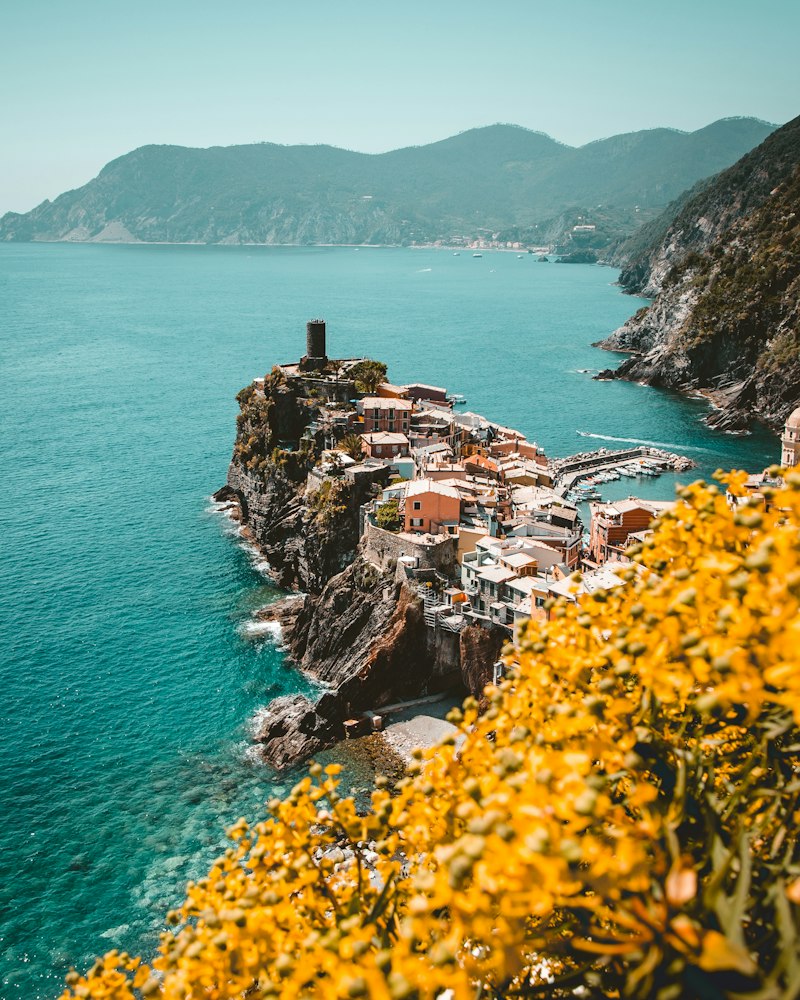
Grosseto may be one of Tuscany's lesser-visited provincial capitals, but it packs an extraordinary range of experiences into its compact territory. From walking atop one of Italy's finest Renaissance fortifications to soaking in natural hot springs and exploring Etruscan ruins, here is everything you should do on your visit.
1. Walk the Medicean Walls
Free · 6 km circuit · 1.5 hours · Easy
The Medicean Walls (Mura Medicee) are Grosseto's crown jewel. Designed by the Sienese military architect Baldassarre Lanci and commissioned by Grand Duke Cosimo I de' Medici in the 16th century, the walls form a near-perfect hexagon around the historic centre. Six massive bastions punctuate the circuit, and the entire 6-kilometre perimeter is accessible as a pedestrian walkway — shaded by plane trees and offering panoramic views over the city on one side and the Maremma plains stretching to the sea on the other.
Start from the Porta Nuova (or any of the three original gates — Porta Nuova, Porta Vecchia, and Porta Corsica) and walk clockwise. The complete circuit takes about an hour and a half at a leisurely pace. Benches are scattered along the route for resting, and the elevated position makes for excellent photographs, especially at golden hour. This is the single best free activity in Grosseto and the perfect introduction to the city.
2. Visit San Lorenzo Cathedral and Piazza Dante
Free (cathedral) · Piazza Dante, historic centre
At the heart of Grosseto, enclosed by the Medicean Walls, lies the Piazza Dante — the city's main square and social hub. The square is dominated by the Cattedrale di San Lorenzo (Cathedral of St Lawrence), a Romanesque-Gothic church built in the late 13th century from alternating white and dark-green marble bands. The facade is striking for its three rose windows and the ornate stone details. Inside, the cathedral houses a 15th-century font and a wooden crucifix from the 1300s. Entry is free, and the building remains an active parish church.
Piazza Dante is also home to the Palazzo Comunale (town hall) and the Statue of Canapone, a bronze monument to Grand Duke Leopold II. The square is surrounded by cafes and restaurants — a perfect spot for an aperitivo after exploring the cathedral.
3. Explore the Parco della Maremma
From €15 · Guided walks, booking required · Moderate
The Parco Regionale della Maremma — also known as the Uccellina Park — is a 10,000-hectare protected area stretching along the coast about 20 km south of Grosseto. It encompasses the Uccellina mountain range, coastal dunes, Mediterranean scrub, pine forests, wetlands, and long, wild beaches. The park is home to wild boar, fallow deer, foxes, porcupines, and over 250 species of birds, including flamingos and herons.
Access to the park is strictly controlled to protect the ecosystem. You must book a guided walk in advance through the park's official website or the visitor centre at Alberese. The most popular routes include the walk to the Casa Rossa Ximenes — an 18th-century red lighthouse — and the walk through the Cala di Forno valley to a pristine beach. Guided walks start at around €15 and take 2–4 hours. Bring water, sun protection, and sturdy shoes.
4. Discover the Roman Ruins of Roselle
€6 · Open daily 9am–7pm (summer) · Moderate terrain
Just 8 km north-east of Grosseto lies the ancient Etruscan and Roman city of Roselle (Rusellae). This is one of Italy's most underrated archaeological sites — a former Roman colony with an intact amphitheatre, forum, basilica, and thermal baths, all set on a hill with sweeping views of the Grosseto plain. The site was originally Etruscan (founded around the 7th century BC), but the most visible remains are Roman, including the 2,000-seat amphitheatre carved into the hillside.
Walking among the ruins on a quiet morning, with the Apuan Alps visible on the northern horizon and only the sound of cicadas for company, is an experience that rivals the better-known sites of Pompeii or Ostia Antica. An on-site museum displays finds from the excavations, including pottery, coins, and inscriptions. The €6 entry fee is exceptional value. Allow at least 1.5 hours to explore the site properly.
5. Relax at Marina di Grosseto Beach
Free · 12 km south · Sandy beach
Grosseto's closest beach is Marina di Grosseto, a long, sandy shoreline about 12 km (15 minutes by bus or car) from the city centre. The beach is a mix of free public sections and lidos (stabilimenti balneari) that rent umbrellas and loungers. The water is shallow and calm, making it ideal for families with children. The Marina di Grosseto promenade is lined with pizzerias, gelaterias, and bars.
Further south, Principina a Mare offers a slightly quieter beach experience, backed by the Maremma Natural Park's pine forest. Both are connected to Grosseto by regular Tiemme buses. In summer, the beaches can get busy with Italian holidaymakers, but they are never as packed as the coastlines nearer to Rome or Florence.
6. Museo Archeologico e d'Arte della Maremma
€8 · Piazza Baccarini 3 · Closed Mondays
Housed in the former Palazzo del Podestà within the historic centre, the Museo Archeologico e d'Arte della Maremma (MAREMMA Museum) is the essential cultural stop for understanding the region's deep history. The archaeological collection spans from the prehistoric era through the Etruscan period to Roman times, with artefacts from Roselle and other local sites. The art section includes medieval and Renaissance works from the Maremma's churches and monasteries.
The highlight is the collection of Etruscan bronzes and the reconstruction of a Roman domus (house) with original mosaic floors. Allow around 1.5 hours for a thorough visit. The €8 entry fee is reasonable.
7. Day Trip to Saturnia Hot Springs
Free · 60 km (50 min drive) · Year-round
The Cascate del Mulino (Mill Waterfalls) at Saturnia are among Italy's most famous natural thermal springs — and they are free to enter. Located about 60 km east of Grosseto near the town of Saturnia, the hot springs cascade over travertine rock formations into natural pools of warm, mineral-rich water (a constant 37.5°C). The milky-blue water contains sulphur, bicarbonate, and calcium, believed to have therapeutic properties for skin and joints.
The site is open 24/7, free of charge, and accessible to everyone. Go early in the morning or at sunset to avoid the largest crowds. There are no facilities on site — bring a towel, water, and your own transport. From Grosseto, the drive takes about 50 minutes through beautiful Maremma countryside. It is one of the great free experiences of Tuscany.
8. Day Trip to Pitigliano
60 km · 1 hour drive · Cliff-top Etruscan town
About an hour's drive from Grosseto, the hill town of Pitigliano is one of the most dramatic towns in Tuscany. Carved from golden tuff rock and perched on a narrow volcanic ridge, it is known as "la piccola Gerusalemme" (Little Jerusalem) for its historic Jewish quarter, which dates back to the 16th century. The town is a labyrinth of alleys, arches, and underground caves, with an Etruscan necropolis carved into the cliffs below.
Wander the Via Zuccarelli for panoramic views, visit the Synagogue and Jewish Museum, and explore the Etruscan tombs in the surrounding countryside. In the town below, the Sovana archaeological site (an Etrusan city with impressive rock-cut tombs) is just 10 km away and well worth combining.
9. Day Trip to Massa Marittima
30 km · 35 min drive · Medieval hill town
Only 30 km north of Grosseto, Massa Marittima is a stunning medieval hill town divided into an upper and lower city. The lower city centres on the Piazza Garibaldi with the imposing Cathedral of San Cerbone — a Pisan-Romanesque church with an ornate facade, a Gothic bell tower, and a crypt. The upper fortifications include the Torre del Candeliere (Candlestick Tower), which offers panoramic views over the surrounding hills and, on clear days, all the way to the Tyrrhenian Sea.
Massa Marittima was a major centre for copper and silver mining in the Middle Ages, and the Museo per la Storia del Lavoro e delle Tradizioni (Museum of Work and Traditions) explores this heritage. The town is also known for the Balestro del Girifalco, a medieval crossbow competition held twice a year (May and August).
10. Morellino Wine Tasting and Maremma Cycling
Wine tasting from €10 · Various locations
No visit to Grosseto is complete without sampling its signature wine. Drive east toward Scansano (30 km) and visit a local winery for a tasting of Morellino di Scansano DOCG. Producers like Rocca di Frassinello (a Renzo Piano-designed winery), Morisfarms, and Fattoria Mantellassi offer tours and tastings. The wine is a Sangiovese-based red with cherry, violet, and spice notes — a perfect match for bistecca alla maremmana.
For active travellers, the flat terrain around Grosseto is ideal for cycling. Bike the coastal cycle path from Marina di Grosseto toward the Parco della Maremma, or explore the country roads through the olive groves and vineyards. Several hotels in Grosseto offer bike rental or storage for guests.
Frequently Asked Questions
What are the top attractions in Grosseto?
The top attractions are the Medicean Walls (free 6 km walkway), San Lorenzo Cathedral (free), Parco della Maremma (guided walks from €15), Roman ruins of Roselle (€6), and the Museo Archeologico della Maremma (€8). Day trips to Saturnia hot springs, Pitigliano, and Massa Marittima are also unmissable.
Is the Parco della Maremma worth visiting?
Absolutely. The Maremma Natural Park is one of Tuscany's most pristine protected areas, with coastal dunes, Mediterranean scrub, untouched beaches, and abundant wildlife including wild boar, deer, and flamingos. Guided walks must be booked in advance through the park's official site.
Can you visit Saturnia hot springs from Grosseto?
Yes. The Cascate del Mulino at Saturnia are about 60 km from Grosseto — a 50-minute drive through the Maremma countryside. The natural thermal pools are free to enter, open 24/7 year-round, and maintain a constant temperature of 37.5°C. No facilities on site, so bring supplies.