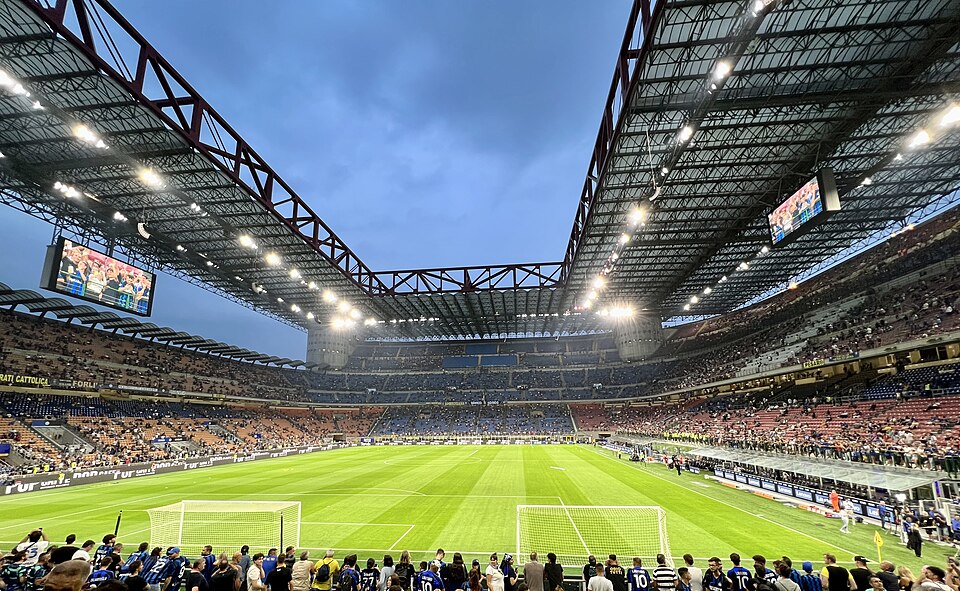
6 – 22 February 2026 · Milan and Cortina d'Ampezzo, Italy
Milan's hospitality sector enters the global spotlight this February as Italy hosts the Winter Olympics across two host cities—Milan and the Dolomite resort of Cortina d'Ampezzo. Behind the spectacle, a quieter transformation has been underway: northern Italy's hotel stock has led the national retrofit of historic properties to LEED and Green-Key standards, blending heritage architecture with renewable-energy procurement and district heating loops. For the eco-conscious spectator travelling to catch alpine, speed-skating or hockey finals, the 17-day window presents both a challenge—demand-driven rate premiums and tight inventory—and an opportunity to anchor a stay in one of Europe's most progressive sustainable-tourism ecosystems, then extend the trip to lower per-day footprint.
Book any eco-certified hotel near the venue — same nightly rate as the big sites, 1 t CO₂ retired per booking from IMPT's commission.
Why Milan and Cortina anchor Italy's eco-hotel evolution
Milan has embedded energy-performance certification into planning policy for new builds and major renovations since the mid-2010s, a framework that caught the attention of international chains refitting century-old Lombard palazzi. The result is a cohort of four- and five-star properties that pair Art Nouveau façades with air-source heat pumps, greywater recycling and rooftop solar arrays. Green-Key certification—administered by the Foundation for Environmental Education—is now held by more than a dozen central Milan hotels, with annual audits covering waste separation, linen-reuse protocols and supply-chain transparency.
Cortina, meanwhile, sits within the Dolomiti Bellunesi UNESCO World Heritage buffer zone, where environmental covenants restrict construction volumes and mandate landscape-impact assessments. The town's accommodation base skews toward family-run boutique hotels and apartments, many of which source heating from the municipality's biomass plant and purchase food from alpine cooperatives within a 30-kilometre radius. EarthCheck-certified properties cluster along Corso Italia, offering delegates a walkable base for the bobsleigh, luge and sliding-centre events. The contrast between Milan's urban retrofit story and Cortina's mountain stewardship model gives spectators two distinct but complementary low-impact anchors for the fortnight.
Navigating two host cities: where to base yourself
The Olympic programme splits events between Milan (ice hockey, figure skating, short track at the PalaItalia and Agorà arenas) and Cortina (alpine skiing, bobsleigh, luge). A smaller cluster of Nordic disciplines takes place in Val di Fiemme, two hours east. Most international spectators will fly into Milan Malpensa, spend the first half of the Games in the city for opening ceremony and ice events, then shift to the mountains for alpine finals. That two-leg itinerary favours a Milan base for nights one through eight, followed by a Cortina or Belluno stay for the closing stretch.
Rail is the low-carbon choice for the 400-kilometre Milan–Cortina transfer. Trenitalia's overnight sleeper or morning Frecciarossa to Venezia Mestre, then a connecting RegioExpress to Calalzo di Cadore and onward bus, takes roughly six hours but eliminates hire-car emissions and navigates the A27 bottleneck that chokes during February half-term. The Dolomiti Bus express from Milan's Lampugnano coach station is another option, targeting a four-and-a-half-hour journey with rest stops in Bergamo and Belluno, though February snow can extend that window. Spectators holding multi-session tickets often choose Belluno as a middle-ground base—equidistant to Cortina and the Val di Fiemme Nordic venues—with better hotel availability and lower nightly rates than Cortina itself.
Peak-window dynamics and the case for extended stays
Average daily rates in central Milan climb by nearly 50 per cent during the Olympic fortnight, with eco-certified properties commanding an additional premium as corporate travel-managers hunt down Scope 3–compliant inventory. Cortina's boutique stock sells out months ahead; latecomers typically pivot to Bolzano, Bressanone or Belluno and accept the 60–90-minute commute to sliding venues. Free cancellation—standard on most bookings made through the IMPT app—becomes essential insurance against schedule changes, weather postponements or the sudden release of additional ticket allocations.
From a footprint perspective, a single-night Milan stay for one event session carries a high per-day carbon cost once you account for long-haul flights. Extending the trip to ten or 12 nights and layering in rest days, local rail excursions to Bergamo or Lake Como, and non-Olympic cultural programming dilutes that per-night impact and makes the retired tonne of UN-verified carbon—automatically funded from IMPT's booking commission—stretch further. The model works particularly well for spectators combining the Games with a delayed winter-sports holiday: three nights in Milan for ice hockey, a week in Cortina for alpine racing and recreational skiing, then a return leg via Verona or Trento.
Eco-certified hotels in Milan: the retrofit cohort
Milan's greenest properties concentrate in three districts: Porta Nuova (the new vertical-forest precinct), Porta Romana (close to the Olympic venues) and the Navigli canal quarter. Certification logos to watch for include LEED Gold or Platinum, Green-Key, and the EU Ecolabel for tourist accommodation. Several four-star independents have joined the global B-Corp movement, publishing annual impact reports that detail energy, water and waste metrics alongside employee welfare data.
Expect renewable-energy procurement contracts as standard, often backed by guarantees-of-origin certificates traceable to northern-Italy wind or hydro assets. Breakfast programmes emphasise Lombard PDO cheeses, organic preserves from Piedmont cooperatives and fair-trade coffee roasted within the metropolitan area. Linen-reuse opt-ins, refillable amenity dispensers and in-room recycling tri-bins are near-universal in the Green-Key tier. Some properties go further: one five-star near Porta Romana offsets residual Scope 1 and 2 emissions through a certified forestry project in the Julian Alps, while a boutique hotel in Brera runs a closed-loop composting trial with a local urban farm.
Cortina's accommodation culture revolves around multi-generation family businesses, many occupying chalet-style buildings that predate the 1956 Winter Olympics. Eco-certification uptake has been slower than in Milan, but a core group of owner-operators have pursued EarthCheck or Alpine Pearls membership, the latter a network of car-free or car-reduced alpine resorts committed to public-transport access and renewable heating. Biomass district heating—fed by certified forestry waste from nearby Cadore valleys—supplies much of the town centre, lowering the carbon intensity of a mountain stay relative to oil or LPG boilers common in older chalets.
Local-supply commitments are easier to verify here than in cities: breakfast spreads feature Valle del Boite honey, speck from San Candido and rye bread baked in wood-fired ovens. Several hotels partner with Cortina's cooperative grocery to divert unsold produce into guest meals, cutting food waste while supporting smallholder incomes. The trade-off is amenity minimalism—expect fewer in-room extras, simpler décor and occasional hot-water constraints during peak morning hours as systems prioritise space heating. For the eco-minded guest, that stripped-back approach aligns well with low-impact travel principles and delivers authentic immersion in Dolomite mountain culture.
Transit within Milan: metro, tram and the Olympic shuttle network
Milan's ATM metro and tram network is one of continental Europe's most extensive, and the city has committed to an all-electric bus fleet by 2030. Line M1 (red) connects Duomo to the San Siro district; Line M2 (green) runs from the central station to the southern suburbs, passing close to the PalaItalia Olympic venue. A temporary shuttle network will link Porta Romana metro with the Olympic park during the Games, operating from early morning until midnight to accommodate late-session finishes. Validate your ticket before boarding; inspectors are frequent and fines steep.
Cycling infrastructure has expanded rapidly since 2020, with protected lanes now threading through Porta Nuova, the Navigli and the Città Studi university quarter. BikeMi, the city's bike-share scheme, offers day and week passes; helmets are not legally required but are advisable given cobblestone surfaces and tram tracks. For spectators shuttling between hotel and arena multiple times daily, a seven-day ATM pass delivers better value than single journeys and eliminates the carbon overhead of ride-hailing. Late-night tram and bus lines cover most districts until 2 a.m., though frequencies thin after midnight; plan your return before the final buzzer if your hotel lies beyond the M1/M2 core.
Carbon accounting: what the booking offsetting actually covers
Every hotel stay booked through the IMPT app triggers the retirement of one tonne of UN-verified carbon credits, sourced from a rotating portfolio of CDM and Gold Standard projects that spans cookstove distribution in East Africa, methane capture at Brazilian landfills and afforestation in Southeast Asia. That tonne is retired in the user's name on a public blockchain ledger, providing a permanent, auditable record. One tonne approximates the emissions of a return economy flight from London to Milan (roughly 0.24 tonnes CO₂e each way) plus eight nights in a mid-tier hotel (circa 15–20 kg CO₂e per night), leaving a buffer for metro travel, meals and miscellaneous consumption.
What it does not cover: Scope 3 emissions embedded in the supply chains of restaurants you visit, retail purchases or car hire. For a full Games fortnight with flights, accommodation, local transport and meals, expect a total footprint in the range of 1.4 to 1.8 tonnes CO₂e per person, meaning the booking offset retires roughly 55–70 per cent of trip emissions. To close the gap, consider additional voluntary offset purchases, choose plant-forward menus (Italian cuisine makes this easy), and extend the trip to dilute the fixed cost of long-haul travel across more nights and experiences.
Eco-certified hotels near the venue
UNAHOTELS Expo Fiera Milano
4-star · Rho Fiera, 25 minutes by M1 metro to San Siro Olympic precinct
LEED Gold–certified business hotel with rooftop solar array, EV charging bays and a greywater-recycling system that cuts mains consumption by a third; walking distance to Rho Fiera metro interchange for direct Olympic venue access.
3-star · Centrale station district, 15 minutes by M2 to Porta Romana venues
Green-Key hostel and hotel hybrid offering private rooms alongside dorms; zero-waste breakfast bar sources from Milan's Mercato Centrale, bike storage, and a rooftop garden where herbs for the on-site restaurant are grown.
5-star · Brera, 10 minutes by tram 1 to Duomo, 20 minutes to Olympic park
Restored 19th-century palazzo with EU Ecolabel certification; geothermal heating and cooling, Lombard-linen programme with in-house laundry using rainwater harvesting, and a spa that eliminated single-use plastics in 2022.
4-star · Porta Nuova vertical-forest district, 12 minutes by M2 to venues
Part of a B-Corp certified group; building-integrated photovoltaics meet 30 per cent of daytime power demand, breakfast features organic Piedmont produce, and the hotel publishes quarterly carbon accounts on its website.
5-star · Central Cortina, 5 minutes' walk to Olympic sliding centre
Family-run since 1901, now EarthCheck-certified; draws heating from Cortina's biomass district loop, sources 80 per cent of food within 50 km, and offsets remaining emissions via verified Dolomite reforestation projects.
4-star · Cortina outskirts, 10 minutes by shuttle to bobsleigh track
Alpine Pearls member emphasising car-free access; electric shuttle fleet, on-site vegetable garden supplying the restaurant, and a waste-separation rate above 75 per cent audited annually by an independent environmental consultancy.
3-star · Corso Italia, central Cortina, walking distance to all amenities
Modest family-owned property with Green-Key provisional status; biomass heating, linen-reuse programme, breakfast highlighting Cadore valley cooperatives, and a partnership with local ski-hire to reduce guest car dependency.
3-star · Belluno old town, 45 minutes by bus to Cortina Olympic venues
Historic townhouse hotel that joined the EU Ecolabel scheme in 2023; solar thermal hot water, tri-bin recycling in every room, and a breakfast menu built around zero-kilometre Belluno dairy and charcuterie.
Practical low-carbon logistics: getting there and moving around
Milan Malpensa is the primary gateway, served by direct flights from most European capitals and a growing number of long-haul routes. The Malpensa Express rail link runs every 30 minutes to Milano Centrale (50 minutes) and Cadorna station (40 minutes), offering a lower-carbon alternative to taxis or ride-shares. Linate, the closer city airport, handles predominantly intra-European traffic and connects to the M4 metro line, though capacity constraints mean most Olympic charter and scheduled services will favour Malpensa. If arriving from elsewhere in Europe, consider the overnight sleeper from Paris, Munich or Zürich—ÖBB NightJet and Trenitalia both operate services into Milano Centrale with couchette and sleeper-cabin options, eliminating a short-haul flight altogether.
Once in Milan, the seven-day ATM pass (around €18 at time of writing, but expect Olympic-window surcharges) covers unlimited metro, tram and bus travel. Ticket validators are located at metro gates and aboard trams; failure to validate invites on-the-spot fines. For the Milan–Cortina transfer, book Trenitalia's Frecciarossa to Venezia Mestre in advance to lock in lower fares, then connect to the RegioExpress toward Calalzo; total journey time approximates six hours but saves roughly 80 kg CO₂e per passenger versus a hire car. Dolomiti Bus operates a direct coach from Milan Lampugnano, typically cheaper but slower and subject to weather delays on the A27 during February snowfall.
In Cortina, the free Olympic shuttle network will loop between accommodation clusters, the sliding centre and the alpine-skiing base stations every 15 minutes during event windows. Outside those hours, local buses run hourly; timetables are posted at major stops and available via the Dolomiti Bus app. Walking is feasible within the compact town centre, though icy pavements demand proper footwear. If you must hire a car for flexibility—useful for reaching Val di Fiemme Nordic events—choose the smallest vehicle that meets your needs and check whether your hotel offers EV charging; several Cortina properties have installed Tesla Destination Chargers and Type-2 sockets funded by regional sustainability grants.
Timing considerations: opening ceremony is evening of 6 February; closing ceremony evening of 22 February. Ice-hockey finals and figure-skating galas cluster in the second week, driving Milan hotel demand. Alpine skiing medals concentrate in the final five days, tightening Cortina availability. If your itinerary is fixed, book as early as possible; if flexible, subscribe to the IMPT app for inventory alerts when properties release late-notice cancellations or add Olympic-week availability.
Frequently asked questions
Which Milan hotels hold recognised eco-certifications?
Look for LEED Gold or Platinum (Leadership in Energy and Environmental Design), Green-Key (awarded by the Foundation for Environmental Education with annual audits), the EU Ecolabel for tourist accommodation, or B-Corp certification at group level. Properties typically display these badges on their website homepage or sustainability page. The IMPT app filters search results to show certified hotels first and lists the specific certifications held.
How much carbon does the IMPT booking offset retire?
One tonne of UN-verified carbon credits per stay, sourced from CDM or Gold Standard projects and permanently retired on a public blockchain ledger in your name. One tonne roughly equals a return economy flight London–Milan plus eight mid-tier hotel nights, covering 55–70 per cent of a typical Games fortnight footprint including flights, accommodation and local transport.
Is Cortina realistic as a base, or should I stay in Belluno?
Cortina offers walking access to sliding-centre events and the alpine atmosphere, but inventory is tight and rates peak sharply. Belluno, 45 minutes south by bus, provides better availability, lower nightly costs and reasonable access to both Cortina and Val di Fiemme Nordic venues. For spectators prioritising budget and eco-credentials over convenience, Belluno's family-run hotels often deliver stronger local-supply and waste-reduction practices.
What's the lowest-carbon way to travel Milan to Cortina?
Rail: Trenitalia Frecciarossa to Venezia Mestre, then RegioExpress to Calalzo di Cadore and connecting bus. Total journey around six hours, saves roughly 80 kg CO₂e per passenger versus car hire. The Dolomiti Bus express coach is slightly slower but eliminates transfers. Both options avoid the A27 traffic and February snow delays that often extend driving times beyond four hours.
Do I need to buy additional carbon offsets beyond the booking retirement?
The one-tonne retirement covers roughly 55–70 per cent of a typical fortnight's emissions. To close the gap, consider voluntary offset purchases for flights (most airlines offer this at checkout), choose plant-forward meals, use public transport exclusively, and extend your trip to dilute the per-day footprint. Longer stays make the fixed flight emissions stretch further.
Are Milan's Olympic venues accessible by public transport at night?
Yes. ATM operates late-night tram and bus lines until around 2 a.m., with reduced frequency after midnight. The temporary Olympic shuttle will run until midnight from Porta Romana metro to the PalaItalia and Agorà arenas. For sessions finishing after midnight, confirm your return route in advance or budget for a tram-and-walk combination; ride-hailing adds unnecessary carbon and cost.
What does 'biomass district heating' mean in Cortina hotels?
A municipal heating plant burns certified forestry waste (branches, sawdust, off-cuts from sustainable Cadore valley timber operations) to produce hot water, which is piped underground to buildings across the town centre. It replaces oil or LPG boilers, cuts carbon intensity and supports the local forestry economy. Hotels connected to the loop typically note this on their sustainability page.
Can I cancel my booking if the schedule changes or weather postpones events?
Most stays booked through the IMPT app include free cancellation up to 24 or 48 hours before check-in, depending on the property's policy. This is displayed at the time of booking. Given February snow risks and potential schedule adjustments, free cancellation is essential insurance; confirm the window before finalising your reservation.
Will I pay more than booking direct with the hotel?
No. The IMPT app shows the same rate you would pay direct. The one-tonne carbon retirement is funded from IMPT's commission, not added to your bill. You also earn 5 per cent Goodness rewards on the booking value, redeemable against future stays or donated to vetted environmental projects within the app.
Which airport is better for minimising carbon: Malpensa or Linate?
Malpensa handles most long-haul and charter traffic and connects to Milano Centrale via the Malpensa Express rail link—lower carbon than a taxi. Linate is closer to the city and now served by M4 metro, but capacity is limited during the Games. If you have a choice of inbound flight, prioritise the one with fewer connections and then use rail from the airport, regardless of which you land at.
Are there any car-free or car-reduced hotel options?
Several Cortina properties are members of Alpine Pearls, a network committed to public-transport access and on-site shuttle fleets, discouraging guest car use. In Milan, hotels near metro interchanges (Centrale, Porta Romana, Cadorna) make car hire unnecessary. The IMPT app's filter for 'car-free accessible' highlights properties within 400 metres of a metro or tram stop with frequent service.
The Winter Olympics Milano-Cortina 2026 offers an unusual chance to witness elite sport while testing whether Italy's hospitality sector can deliver a low-carbon mega-event experience at scale. The infrastructure is in place: LEED-certified retrofits in Milan, biomass district heating in Cortina, a comprehensive rail and metro network, and a growing cohort of hoteliers publishing transparent environmental accounts. What remains is the choice—individual and cumulative—to prioritise those certified properties, extend stays to lower per-day footprint, and use the fortnight as a model for how mass-consumer events might evolve. Book early through the app to lock in free cancellation and trigger the one-tonne carbon retirement; the combination of Olympic drama and alpine immersion, grounded in verifiable sustainability practice, is unlikely to repeat at this confluence again soon.
Same price as the big OTAs — IMPT retires 1 t UN-verified CO₂ per booking from our commission. 5% Goodness rewards.