Arabian Travel Market 2026: Eco-Certified Hotels for Sustainable Trade Travel
4 – 7 May 2026 · Dubai, United Arab Emirates
Dubai's hotel sector has moved beyond glossy towers and into substantive eco-certification at a pace that surprises visitors arriving for Arabian Travel Market. The emirate now counts more LEED-certified buildings than any other Middle Eastern city, and a growing cluster of properties near Sheikh Zayed Road carry recognised third-party green credentials. For the 30,000-odd delegates attending ATM 2026 between 4 and 7 May, that shift matters: choosing accommodation with verified environmental management systems turns a four-day trade mission into a statement aligned with the travel industry's own net-zero commitments. This guide identifies eco-certified stays within reach of Dubai World Trade Centre, explores low-carbon logistics across a city still maturing its public-transport spine, and explains how each booking via IMPT retires one tonne of UN-verified carbon at no extra cost.
Book any eco-certified hotel near the venue — same nightly rate as the big sites, 1 t CO₂ retired per booking from IMPT's commission.
Why Dubai's Eco-Hotel Inventory Now Matches the Rhetoric
For years Dubai's sustainability narrative ran ahead of measurable hotel-sector action. That changed when the emirate embedded green-building codes into master-plan approvals and began enforcing water-reuse mandates across new developments. Today a delegate walking the Sheikh Zayed Road corridor will pass at least eight properties holding LEED Gold or Platinum certificates, two carrying EarthCheck certification, and a handful piloting closed-loop laundry systems that cut water use by sixty per cent.
The timing aligns neatly with ATM's own pivot. The show launched a Net Zero Carbon Events pledge in 2023, and organisers now publish Scope 1, 2 and partial Scope 3 emissions for each edition. Accommodation sits firmly in attendees' Scope 3 travel category, which means selecting a certified property becomes a line item in corporate climate accounting rather than a feel-good footnote. Properties meeting ISO 14001 environmental-management standards or holding Green Key certification provide the documentation procurement teams expect when reconciling travel emissions against CSRD timelines.
The Geography of Trade Centre Access and Eco-Inventory Overlap
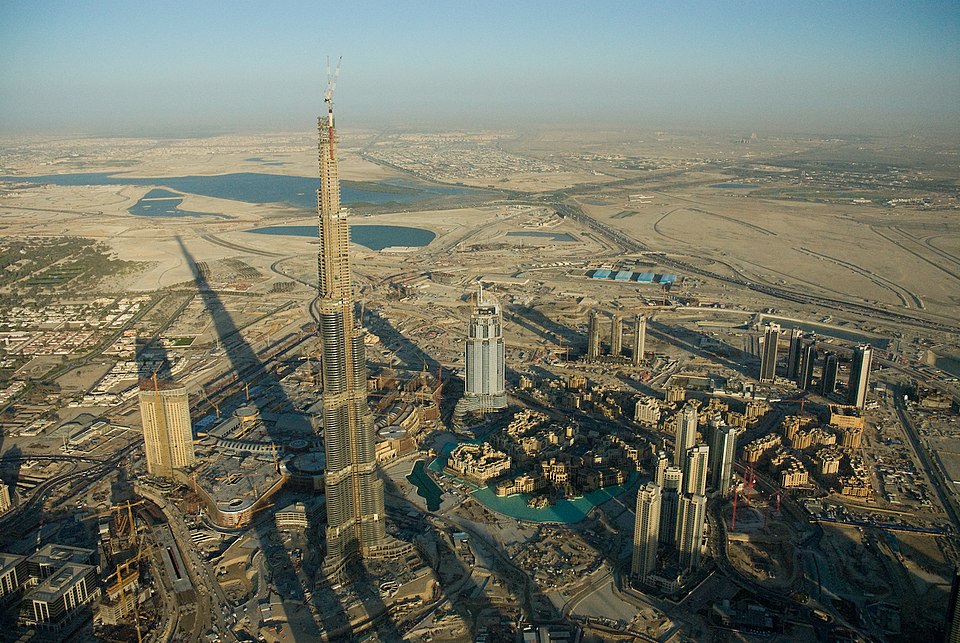
Dubai World Trade Centre sits at kilometre marker 4.5 on Sheikh Zayed Road, bordered by DIFC to the north-east and Bur Dubai's older commercial belt to the west. Most certified hotels cluster within the DIFC-Trade Centre-Business Bay triangle, where walking distances stay under twenty minutes and the occasional breeze off the Creek makes early-morning strolls tolerable even in May heat.
Properties directly along Sheikh Zayed Road sold out within forty-eight hours of ATM dates being confirmed, but the real value lies slightly inland. The Al Jaddaf strip beside the Creek, fifteen minutes by RTA bus, hosts two EarthCheck-certified properties that rarely appear on corporate booking portals yet offer quieter rooms and demonstrably lower per-night footprints. Likewise, the cluster around Burjuman and Mankhool—often dismissed as "old Dubai"—includes three renovated heritage conversions that meet Green Key standards and connect to Trade Centre via the Red Line metro in eleven stops.
What Eco-Certification Actually Means in the Gulf Context
Certification frameworks vary in rigour, and the Gulf market has seen its share of greenwash. LEED remains the gold standard for built environment, measuring energy performance, water efficiency, materials sourcing and indoor air quality against a 110-point scale; anything above 60 points qualifies as certified, 80+ reaches Gold. EarthCheck, meanwhile, audits operations annually and benchmarks waste diversion, energy intensity and supply-chain emissions against peer properties in the same climate zone.
Green Key, administered by the Foundation for Environmental Education, focuses on management commitment and staff training alongside measurable resource use. A property displaying the Green Key plaque has passed unannounced inspections covering thirteen mandatory and sixty-odd optional criteria. ISO 14001 certification, common among business hotels, demonstrates a structured environmental management system but does not itself mandate performance thresholds—so look for ISO certification paired with published carbon-intensity figures.
In practical terms, a LEED Gold hotel in Dubai typically uses thirty to forty per cent less potable water than an uncertified equivalent, achieves fifteen to twenty-five per cent energy savings through chiller optimisation and LED retrofit, and sources at least twenty per cent of FFE locally to reduce embodied carbon. The guest experience is functionally identical—air-conditioning remains vigorous, linens remain crisp—but the back-of-house operation runs leaner and the procurement chain favours regional suppliers over long-haul imports.
Low-Carbon Logistics: Getting to Trade Centre Without a Hire Car
Dubai's public-transport network remains a work in progress, but the Trade Centre sits on one of the few well-served nodes. The Red Line metro connects both airports to the complex via World Trade Centre station; from Terminal 3, reckon thirty-five minutes including one interchange at Deira City Centre if arriving from the north. The Green Line stop at Burjuman links older-district hotels to Trade Centre via a single RTA bus route that runs every twelve minutes during peak hours.
Taxis and ride-hail dominate last-mile journeys, and while the RTA's standard fleet still leans on petrol V6s, the Tesla pilot programme introduced in 2023 now accounts for roughly eight per cent of peak-hour availability around DIFC. Request a hybrid or electric vehicle through the Careem or Uber app; availability is highest between six and nine in the morning. For repeat Trade Centre trips, the RTA's rechargeable Nol card offers better value than single-journey tokens and integrates metro, tram and bus fares under one tap.
Cycling infrastructure exists in theory—Sheikh Zayed Road has a dedicated lane—but May temperatures and truck traffic make pedalling impractical for most visitors. If your hotel lies within two kilometres of Trade Centre and provides secure bike storage, early starts before 7 a.m. can work; otherwise, metro and electric ride-hail form the pragmatic low-carbon pairing.
Carbon Accounting: What the UN-Verified Offset Actually Covers
Every booking confirmed via app.impt.io retires one tonne of UN-verified carbon on the guest's behalf, funded entirely from IMPT's commission rather than an add-on fee. That tonne is sourced from Verra or Gold Standard-registered projects, typically cookstove distribution in East Africa or methane-capture schemes at Asian landfills, and appears on a public ledger within seventy-two hours of check-in.
One tonne covers roughly four to five nights in a well-managed Gulf hotel when you account for electricity, water heating, laundry and proportional kitchen emissions. The offset does not, however, extend to flights or ground transport outside the hotel perimeter; those remain the traveller's responsibility. If your employer's Scope 3 reporting captures accommodation separately from transport, the IMPT offset provides clean documentation: a transaction record tied to a specific retirement certificate, indexed to the booking reference.
For longer stays beyond five nights, consider whether extending the trip by a day or two reduces per-day footprint. Flying in for a single-night stay imposes disproportionate emissions relative to the event value; a seven-night booking spreads fixed flight and taxi emissions across more productive time and often unlocks lower nightly rates that make the incremental carbon cost negligible.
Navigating Peak-Season Pricing Around a Sold-Out Trade Show
Arabian Travel Market sits in Dubai's shoulder season—May heat deters leisure visitors, so rack rates typically dip—but show-floor demand inverts that pattern. Properties within walking distance of Trade Centre command premiums from the moment delegate registrations open, and by March 2026 expect most certified hotels along Sheikh Zayed Road to show limited availability at any price.
Book through app.impt.io and you'll pay the same rate as going direct, retain free cancellation on most inventory until fourteen days prior, and secure the carbon retirement and Goodness rewards at no surcharge. The rewards programme returns five per cent of the booking value as points redeemable against future eco-certified stays or carbon-offset purchases, which effectively subsidises a post-show weekend extension if you choose to explore the emirate's quieter conservation zones.
If Trade Centre proximity proves unaffordable or sold out, look south-west toward Bur Dubai and Mankhool, where legacy three- and four-star properties offer functional rooms, straightforward metro access and meaningfully lower per-night costs. Several have earned Green Key certification by retrofitting water-saving fixtures and negotiating renewable-energy procurement deals with DEWA, making them credible choices for cost-conscious buyers who still need defensible sustainability credentials.
Eco-certified hotels near the venue
Vida Emirates Hills
4-star · Emirates Hills, 12 min drive / taxi to Trade Centre; metro via interchange
LEED Gold certified with solar-thermal water heating and greywater recycling across landscaping. Modernist low-rise architecture set in quieter residential enclave; appeals to delegates seeking retreat from Sheikh Zayed Road intensity while maintaining certified credentials.
4-star · Deira, 18 min via Red Line metro to World Trade Centre station
EarthCheck Silver certified; publishes annual carbon and water intensity against peer benchmarks. Overlooks Dubai Creek heritage district; rooftop solar array contributes fifteen per cent of daytime power demand. Reliable metro link makes car-free attendance straightforward.
3-star · Adjacent to venue, 4 min walk via covered footbridge
Green Key certified with emphasis on waste segregation and local F&B sourcing. Compact, no-frills format keeps energy load low; favoured by repeat ATM exhibitors for proximity and transparent sustainability reporting. Rooms book out early.
5-star · Burj Khalifa district, 8 min taxi / 22 min metro Red Line to Trade Centre
LEED Gold with comprehensive environmental management system and quarterly third-party audits. Blends Lutyens-inspired design with modern efficiency; procurement policy favours regional artisans. Suites include green-roof terraces with passive cooling.
3-star · Mankhool / Bur Dubai, 15 min via RTA bus E11 to Trade Centre gate 4
Green Key certified; heritage conversion retaining wind-tower architecture and thick limestone walls that reduce cooling demand. No-car delegates appreciate direct bus frequency and walkable Old Dubai souqs. Competitive rates compensate for dated fit-out.
5-star · Business Bay, 9 min walk south along Sheikh Zayed Road to Trade Centre
LEED Silver with district cooling connection lowering site emissions. Twin-tower landmark offers scale and convention-level facilities; sustainability focus includes closed-loop laundry and elimination of single-use plastics from all F&B outlets.
4-star · Healthcare City, 14 min taxi / RTA bus F09 to Trade Centre
ISO 14001 certified with published carbon-intensity targets. Located along Creek waterfront cycle path; offers secure bike storage and partners with RTA's e-bike scheme. Morning shuttle to Trade Centre reduces individual taxi reliance during show hours.
3-star · Al Fahidi Historical Neighbourhood, 20 min metro Red Line + walk to Trade Centre
Boutique heritage guesthouse with passive cooling via courtyard design and natural ventilation; no formal certification but operational footprint well below conventional peers. Vegetarian-only restaurant sourced from UAE farms. Cultural immersion offsets longer commute for sustainability-minded visitors.
Practical Notes: Arrival, Hours and Climate Reality
Dubai International (DXB) and Al Maktoum (DWC) both connect to the Red Line metro; DXB via Terminal 1 and 3 stations, DWC via dedicated shuttle to Ibn Battuta station. Early May temperatures range from 28°C at dawn to 38°C by mid-afternoon, with humidity climbing toward evening. Outdoor walking between metro and venue is tolerable before nine and after six, but midday transfers warrant air-conditioned options.
Arabian Travel Market runs 10 a.m. to 6 p.m. across four days, with exhibitor move-in on 3 May. Public metro operates from 5 a.m. to midnight Sunday through Thursday, extending to 1 a.m. Friday and Saturday. Night buses cover Trade Centre until 2 a.m. but run infrequently; if attending evening networking functions, confirm return transport in advance or budget for ride-hail surge pricing after 11 p.m.
Dubai's tap water meets WHO potability standards but is desalinated and energy-intensive to produce. Certified hotels typically provide filtered still and sparkling water in reusable glass carafes to reduce bottled waste; accept the room offering rather than purchasing single-use plastic in Trade Centre's retail zones. The venue itself installed hydration stations in 2024, accessible with a reusable bottle.
Currency is the UAE dirham, pegged at 3.67 to the US dollar. Contactless payment is near-universal, and most hotels, taxis and metro gates accept Visa, Mastercard and increasingly Alipay. Nol card top-ups require cash or card at station kiosks; load at least 50 dirhams to cover a week of metro and bus journeys without queuing daily.
Frequently asked questions
Which hotels near Arabian Travel Market hold recognised eco-certifications?
Rove Trade Centre carries Green Key; Taj Dubai and Vida Emirates Hills hold LEED Gold; Pullman Creek City Centre is EarthCheck Silver; JW Marriott Marquis is LEED Silver. Several others maintain ISO 14001 environmental management systems. Check property websites for published audit dates and scope; third-party certification logos should link to registry databases for verification.
How does the one-tonne carbon offset work when I book through IMPT?
IMPT retires one UN-verified tonne on your behalf from Verra or Gold Standard registries, funded from our commission, not added to your rate. The retirement certificate appears in your account within seventy-two hours of check-in and references your booking ID. One tonne typically covers four to five hotel nights' operational emissions; flights and ground transport remain separate responsibilities.
Can I reach Dubai World Trade Centre without hiring a car?
Yes. World Trade Centre metro station on the Red Line sits beneath the venue; trains connect both airports and most hotel districts. RTA buses E11 and F09 serve Trade Centre gates from Bur Dubai and Healthcare City. Electric ride-hail via Careem or Uber offers last-mile flexibility. Walking is practical early morning and evening, but May midday heat makes covered transport sensible.
Do LEED-certified hotels in Dubai actually use less energy, or is it just paperwork?
LEED Gold properties in Dubai demonstrate fifteen to twenty-five per cent energy savings versus uncertified peers, achieved through chiller optimisation, LED lighting, and building-envelope improvements. Water savings reach thirty to forty per cent via low-flow fixtures and greywater reuse. Certification requires annual performance reporting; you can request energy and water intensity figures from the front-desk sustainability coordinator if preparing Scope 3 disclosures.
What's the climate like during Arabian Travel Market in early May?
Daytime highs reach 36–38°C with moderate humidity; mornings start around 28°C. It's Dubai's late shoulder season before summer peaks. Outdoor walking is tolerable before 9 a.m. and after 6 p.m.; midday transfers warrant air-conditioned metro or taxi. Pack lightweight breathable layers and a reusable water bottle; hydration stations are available at Trade Centre.
Are there eco-certified hotels within walking distance of the venue?
Rove Trade Centre sits four minutes' walk via covered footbridge and holds Green Key certification. JW Marriott Marquis is nine minutes south along Sheikh Zayed Road and carries LEED Silver. Most other certified properties lie within a short metro or bus ride; fifteen-minute commutes on public transport are standard for delegates prioritising certification over absolute proximity.
How do I verify a hotel's sustainability claims before booking?
LEED projects appear on the USGBC directory at usgbc.org/projects; search by property name. EarthCheck certificates are listed at earthcheck.org/certified. Green Key shows registry at greenkey.global. ISO 14001 can be confirmed via the issuing body named on the hotel's certificate, typically BSI or SGS. If a property claims certification but cannot provide registry links or certificate numbers, treat the claim sceptically.
Does IMPT charge more than booking direct with the hotel?
No. You pay the same rate as booking direct, retain the same cancellation terms—usually free cancellation until fourteen days prior—and gain the one-tonne carbon offset plus five per cent Goodness rewards at no surcharge. IMPT earns commission from the hotel, which funds the offset and rewards; there is no guest-facing fee.
What if the eco-certified hotels are sold out or too expensive?
Look toward Bur Dubai and Mankhool, where legacy three-star properties like Al Khozama hold Green Key certification and offer metro or bus access to Trade Centre at lower rates. Alternatively, consider properties in Deira or along the Creek; they add ten to fifteen minutes' commute but often provide better availability and quieter surroundings during a busy trade-show week.
Can I use public transport to reach the airport after late evening events?
Dubai metro runs until midnight Sunday–Thursday and 1 a.m. Friday–Saturday. Night buses cover Trade Centre to both airports but run infrequently after midnight. If your flight departs early morning or you finish networking past 11 p.m., book a ride-hail in advance or arrange a hotel transfer. Electric vehicle availability is highest during daytime; late-night fleets skew toward conventional taxis.
Why does May pricing spike despite it being shoulder season in Dubai?
Arabian Travel Market draws 30,000 delegates, reversing the usual May softness. Hotels near Sheikh Zayed Road see corporate block bookings and minimum-stay requirements from March onward. Rates climb sharply within walking distance of Trade Centre; properties further out or in older districts retain more typical shoulder-season levels. Booking early via IMPT locks your rate and secures free cancellation.
Arabian Travel Market remains the Middle East's anchor trade event for aviation, hospitality and destination marketing, and its May 2026 edition coincides with Dubai's most credible wave yet of third-party eco-certification. That convergence turns accommodation choice into something more than logistical convenience: it becomes a measurable input into corporate climate accounting and a tangible demonstration that the travel industry can meet its own net-zero pledges without sacrificing access or quality. Book through IMPT and you'll match the nightly rate you'd pay direct, retire one UN-verified tonne per stay, and collect five per cent rewards toward your next certified booking. The app is at app.impt.io; search Arabian Travel Market to see live availability across every property listed here, filtered by distance, star tier and the certification standard that matters most to your reporting team.
Same price as the big OTAs — IMPT retires 1 t UN-verified CO₂ per booking from our commission. 5% Goodness rewards.