
Sustainable Travel · Spain
Eco Hoteles en Málaga — Your 2026 Guide to Alojamiento Sostenible
Málaga has spent the last fifteen years reinventing itself — from a flyover city travellers used to rush through on the way to beach resorts, to one of Spain's most compelling urban destinations in its own right. Pablo Picasso was born here in 1881, and the city has built a cultural identity around that fact: the Picasso Museum occupies a Renaissance palace; the Centre Pompidou opened a permanent Málaga outpost; the Carmen Thyssen fills another palacio with 19th-century Spanish masters. The old town's marble streets wind up to the Alcazaba — an 11th-century Moorish fortress with views over a Roman theatre, the cathedral, and the shimmering Mediterranean beyond. And then there's the food: Málaga's tapas scene, its seafood espeto (sardines grilled on beachfront skewers), and its sweet Moscatel wine from the surrounding hills are enough reason to visit alone. Book through IMPT and every hotel night removes 1 tonelada de CO₂ verificado.
Málaga's Neighbourhoods: Dónde Alojarse
Centro Histórico — Culture, Tapas, and the Cathedral Quarter
The historic centre clusters around the Cathedral (La Manquita — "the one-armed lady," so nicknamed because the south tower was never completed) and Plaza de la Constitución. This is the densest zone for museums — Picasso's birthplace on Plaza de la Merced is two minutes from the Picasso Museum in the Palacio de Buenavista. The street grid is tight and pedestrianised in its most walkable stretches; tapas bars on Calle Granada and Calle Carretería are among Spain's finest.
El Soho — The Arts District
South of the historic centre, El Soho (around Avenida de Andalucía) was Málaga's run-down port fringe a decade ago. It's now a creative district of street murals, independent galleries, and the Pompidou Málaga cube at its western edge. Several boutique hotels have opened here, offering quieter streets than the centre with easy access to everything. The Málaga Contemporary Art Centre (CAC) is free and excellent.
La Malagueta & Pedregalejo — Beach and Chiringuitos
La Malagueta is Málaga's city beach — a 1.2 km arc of sand minutes from the port. Further east, the village-within-the-city of Pedregalejo has Málaga's best chiringuito culture: beach bars where grilled sardines on bamboo skewers cook over olive-wood fires, and the afternoon sun turns the Mediterranean into hammered gold. Hotels here are oriented toward sea access rather than cultural tourism — a deliberate choice for some travellers.
🎨 Málaga's Picasso Museum (€12) includes the permanent collection of 233 works plus temporary exhibitions in a 16th-century palacio. Book online in advance in July–August. The museum café does an excellent café con leche.
Getting Around Málaga Sustainably
Málaga is built for walking in its centre — the historic core from the Alcazaba to Soho is comfortably covered on foot. For longer journeys, the city has excellent public transport options:
- Metro: Málaga Metro Line 1 and 2 connect the centre, María Zambrano station, the university, and the western suburbs
- Cercanías (local trains): Run along the coast to Fuengirola (40 min, €3.60) passing Torremolinos and Benalmádena — excellent for day trips
- City buses (EMT): Comprehensive network with air-conditioned buses; €1.35 single or a 10-journey card
- Bikes: Málaga has a public bike-share (MálagaBici) and dedicated cycling infrastructure along the Guadalmedina river
- AVE to Madrid: 2.5 hours from María Zambrano station — far better than flying domestically
Málaga airport (AGP) is 8 km from the centre and connected by Cercanías Line C1 in 12 minutes — one of Spain's best airport rail links. If you're flying in, booking through IMPT immediately begins the carbon-negative accounting on your accommodation.
Málaga's Natural Hinterland: Beyond the City
Málaga is surrounded by one of Andalucía's most dramatic natural landscapes — a fortunate counterpoint to the coastal development of the Costa del Sol. Sustainable day trips by public transport or taxi include:
Caminito del Rey
The restored boardwalk through the gorge of the Guadalhorce river system — once called the world's most dangerous footpath — is now a safely railed 7.7 km trail through vertical limestone cliffs. Buses run from Málaga to El Chorro (the trailhead) and the walk itself produces almost no impact. Book tickets well in advance (€10); the gorge is genuinely breathtaking.
The Axarquía Wine Country
The white villages of the Axarquía mountains east of Málaga — Frigiliana, Nerja, Competa — produce Málaga's distinctive Moscatel wines in steep-terraced vineyards. Several wineries offer tastings and tours, most requiring a rental car or taxi but worth it for the terroir and views. The Nerja Caves (one of Europe's finest Paleolithic painted cave systems) are nearby.
💡 Combine your Málaga hotel stay with IMPT's cashback shopping, a trip credit gift for a friend, or a carbon voucher to offset your flights. Reach Silver tier on the Goodness Ladder and earn up to 10% off your next hotel.
How IMPT Makes Your Málaga Stay Carbon-Negative
Una noche de hotel promedio produce aproximadamente 35 kg of CO₂. When you book any Málaga hotel through IMPT, we retire 1,000 kg of UN-verified carbon removal credits — funded from IMPT's commission at no extra cost. That's 28 times your stay's footprint, tokenised on Ethereum and permanently verifiable.
- €5 de crédito gratis when you sign up — applied to your first Málaga booking
- 5% back on every stay — 3% funds carbon projects, 2% as travel credit
- 8M+ hotels worldwide including Málaga, Marbella, Nerja, and the whole Costa del Sol
- Cancelación gratuita on most rates up to 48 hours before check-in
Beyond Hotels — More Ways IMPT Works in Málaga
Shop through IMPT's 25,000+ retail partners for cashback on purchases that also offset carbon. Gift a Málaga trip credit — a perfect experience gift for someone who deserves a city break with culture, beach, and great food. For corporate groups, IMPT B2B provides ESG reporting, CSRD dashboards, and corporate hotel rates. Spain's Country Ownership is available — 50% revenue share on Spanish-registered transactions, 8% APY staking yield. Book a call →
Preguntas Frecuentes
What is Málaga known for beyond the beach?
Málaga is Picasso's birthplace and home to the Picasso Museum Málaga (233 works), the Centre Pompidou Málaga, and the Carmen Thyssen Museum. The Alcazaba — an 11th-century Moorish fortress above the Roman Theatre — is one of Spain's finest fortifications. Málaga's tapas and wine culture centred on Calle Carretería and the Atarazanas market is among Spain's best.
How does IMPT make my Málaga hotel booking carbon-negative?
Every Málaga hotel booking through IMPT retires 1 tonne of UN-verified CO₂ removal on Ethereum — funded from IMPT's booking commission at no extra cost. A hotel night produces approximately 35 kg of CO₂. IMPT removes 1,000 kg — making your stay 28× carbon-negative, publicly verifiable on-chain.
What are the best neighbourhoods to stay in Málaga?
The historic centre around the Cathedral and Picasso Museum is most walkable for cultural visitors. El Soho (arts district) has boutique hotels and the Pompidou. La Malagueta and Pedregalejo suit those prioritising beach access and chiringuito culture.
How do I get to Málaga without flying?
The AVE high-speed train from Madrid takes 2.5 hours, from Seville 2 hours, from Barcelona 5.5 hours. The Málaga-María Zambrano station also serves Cercanías trains along the Costa del Sol, making Málaga an excellent car-free base for coastal exploration.
What are the best free things to do in Málaga?
The Roman Theatre below the Alcazaba is free and open daily. The port promenade (Muelle Uno), Picasso's birthplace on Plaza de la Merced (exterior), and the municipal beaches from La Malagueta to Pedregalejo are all free. The CAC Málaga contemporary art museum is free on Sundays.
← Back to Spain Eco-Hotels · Also see Barcelona · Madrid · Seville · Valencia
Eco Hotels
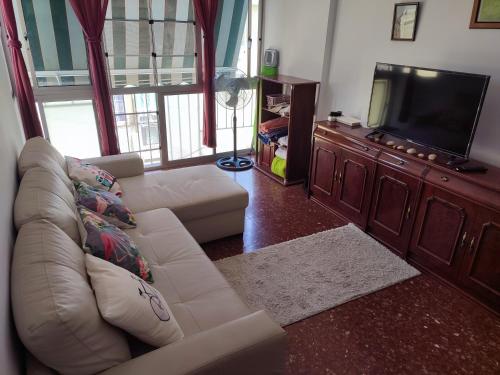
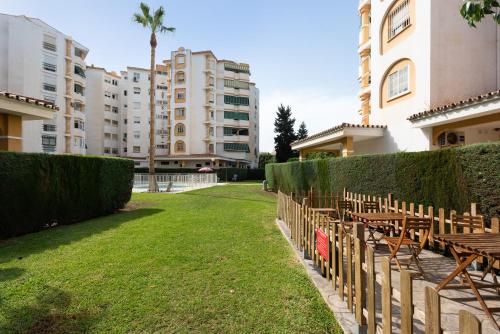
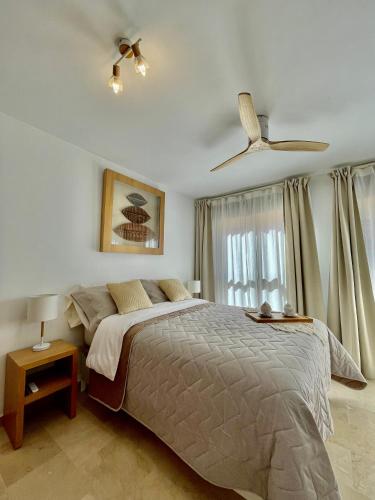
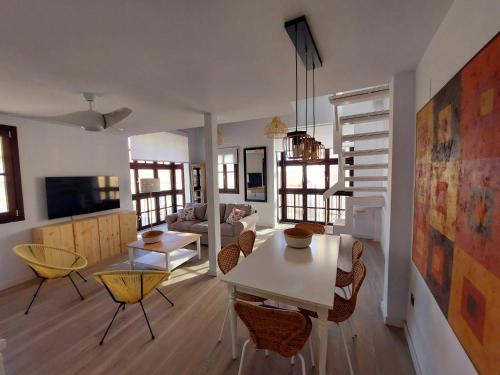
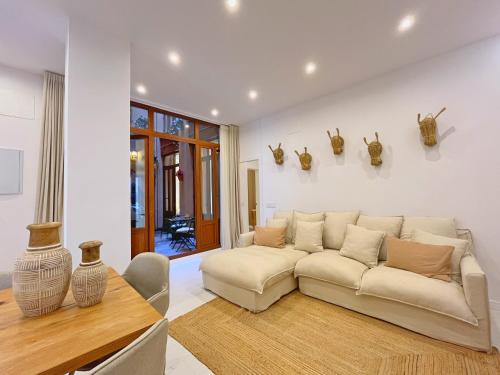
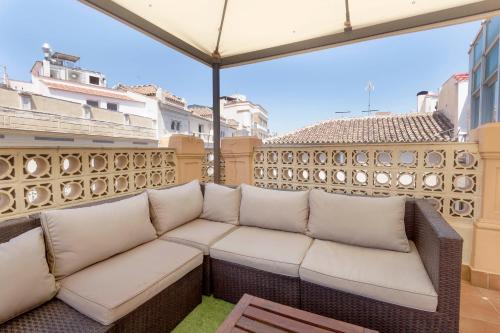
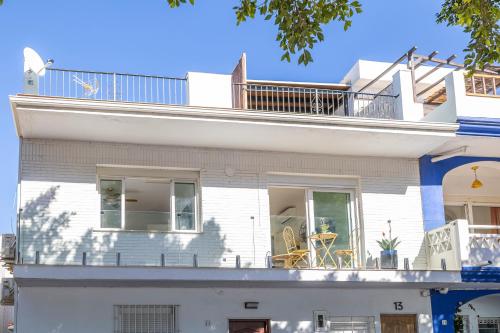
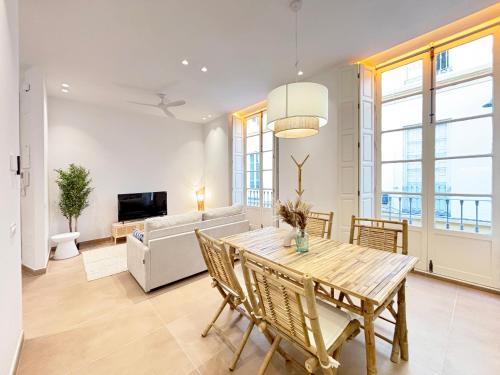
Showing 12 eco-friendly hotels. Book on IMPT — the same price as Booking.com.
📱 Daily hotel deals on Telegram
Join @IMPThotels →