'/%3E%3C!-- Canal water --%3E%3Crect x='0' y='280' width='1200' height='120' fill='%232a4a5a' opacity='0.6'/%3E%3Crect x='0' y='290' width='1200' height='110' fill='%233a5a6a' opacity='0.5'/%3E%3C!-- Buildings left --%3E%3Crect x='80' y='140' width='65' height='150' fill='%235a4030' rx='2'/%3E%3Crect x='90' y='120' width='45' height='30' fill='%234a3020'/%3E%3Crect x='160' y='120' width='55' height='170' fill='%237a6050' rx='2'/%3E%3Crect x='168' y='100' width='40' height='30' fill='%236a5040'/%3E%3Crect x='230' y='150' width='70' height='140' fill='%2345352a' rx='2'/%3E%3Crect x='240' y='130' width='50' height='30' fill='%2335251a'/%3E%3Crect x='320' y='130' width='60' height='160' fill='%235a4a3a' rx='2'/%3E%3Crect x='328' y='110' width='45' height='30' fill='%234a3a2a'/%3E%3Crect x='395' y='145' width='55' height='145' fill='%236a5a4a' rx='2'/%3E%3Crect x='403' y='125' width='40' height='30' fill='%235a4a3a'/%3E%3C!-- Buildings right --%3E%3Crect x='500' y='135' width='70' height='155' fill='%234a3a2a' rx='2'/%3E%3Crect x='510' y='115' width='50' height='30' fill='%233a2a1a'/%3E%3Crect x='590' y='110' width='60' height='180' fill='%236a5040' rx='2'/%3E%3Crect x='598' y='90' width='45' height='30' fill='%235a4030'/%3E%3Crect x='670' y='140' width='55' height='150' fill='%23504030' rx='2'/%3E%3Crect x='678' y='120' width='40' height='30' fill='%23403020'/%3E%3Crect x='740' y='125' width='65' height='165' fill='%237a6050' rx='2'/%3E%3Crect x='750' y='105' width='45' height='30' fill='%236a5040'/%3E%3Crect x='820' y='145' width='55' height='145' fill='%23504035' rx='2'/%3E%3Crect x='828' y='125' width='40' height='30' fill='%23403025'/%3E%3Crect x='890' y='120' width='70' height='170' fill='%234a3a2a' rx='2'/%3E%3Crect x='900' y='100' width='50' height='30' fill='%233a2a1a'/%3E%3Crect x='980' y='140' width='60' height='150' fill='%235a4a3a' rx='2'/%3E%3Crect x='988' y='120' width='45' height='30' fill='%234a3a2a'/%3E%3Crect x='1055' y='130' width='65' height='160' fill='%236a5a4a' rx='2'/%3E%3Crect x='1065' y='110' width='45' height='30' fill='%235a4a3a'/%3E%3C!-- Windows on buildings --%3E%3Cg fill='%23ffe8cc' opacity='0.7'%3E%3Crect x='95' y='160' width='10' height='12'/%3E%3Crect x='115' y='160' width='10' height='12'/%3E%3Crect x='95' y='190' width='10' height='12'/%3E%3Crect x='115' y='190' width='10' height='12'/%3E%3Crect x='95' y='220' width='10' height='12'/%3E%3Crect x='175' y='150' width='10' height='12'/%3E%3Crect x='195' y='150' width='10' height='12'/%3E%3Crect x='175' y='180' width='10' height='12'/%3E%3Crect x='195' y='180' width='10' height='12'/%3E%3Crect x='175' y='210' width='10' height='12'/%3E%3Crect x='195' y='210' width='10' height='12'/%3E%3Crect x='245' y='160' width='10' height='12'/%3E%3Crect x='265' y='160' width='10' height='12'/%3E%3Crect x='245' y='190' width='10' height='12'/%3E%3Crect x='265' y='190' width='10' height='12'/%3E%3Crect x='245' y='220' width='10' height='12'/%3E%3Crect x='335' y='155' width='10' height='12'/%3E%3Crect x='355' y='155' width='10' height='12'/%3E%3Crect x='335' y='185' width='10' height='12'/%3E%3Crect x='355' y='185' width='10' height='12'/%3E%3Crect x='335' y='215' width='10' height='12'/%3E%3Crect x='355' y='215' width='10' height='12'/%3E%3Crect x='515' y='155' width='10' height='12'/%3E%3Crect x='540' y='155' width='10' height='12'/%3E%3Crect x='515' y='185' width='10' height='12'/%3E%3Crect x='540' y='185' width='10' height='12'/%3E%3Crect x='515' y='215' width='10' height='12'/%3E%3Crect x='605' y='140' width='10' height='12'/%3E%3Crect x='630' y='140' width='10' height='12'/%3E%3Crect x='605' y='170' width='10' height='12'/%3E%3Crect x='630' y='170' width='10' height='12'/%3E%3Crect x='605' y='200' width='10' height='12'/%3E%3Crect x='605' y='230' width='10' height='12'/%3E%3Crect x='685' y='160' width='10' height='12'/%3E%3Crect x='710' y='160' width='10' height='12'/%3E%3Crect x='685' y='190' width='10' height='12'/%3E%3Crect x='710' y='190' width='10' height='12'/%3E%3Crect x='685' y='220' width='10' height='12'/%3E%3Crect x='755' y='145' width='10' height='12'/%3E%3Crect x='780' y='145' width='10' height='12'/%3E%3Crect x='755' y='175' width='10' height='12'/%3E%3Crect x='780' y='175' width='10' height='12'/%3E%3Crect x='755' y='205' width='10' height='12'/%3E%3Crect x='780' y='205' width='10' height='12'/%3E%3Crect x='755' y='235' width='10' height='12'/%3E%3Crect x='835' y='165' width='10' height='12'/%3E%3Crect x='860' y='165' width='10' height='12'/%3E%3Crect x='835' y='195' width='10' height='12'/%3E%3Crect x='860' y='195' width='10' height='12'/%3E%3Crect x='835' y='225' width='10' height='12'/%3E%3Crect x='905' y='150' width='10' height='12'/%3E%3Crect x='930' y='150' width='10' height='12'/%3E%3Crect x='905' y='180' width='10' height='12'/%3E%3Crect x='930' y='180' width='10' height='12'/%3E%3Crect x='905' y='210' width='10' height='12'/%3E%3Crect x='930' y='210' width='10' height='12'/%3E%3Crect x='905' y='240' width='10' height='12'/%3E%3Crect x='995' y='160' width='10' height='12'/%3E%3Crect x='1020' y='160' width='10' height='12'/%3E%3Crect x='995' y='190' width='10' height='12'/%3E%3Crect x='1020' y='190' width='10' height='12'/%3E%3Crect x='995' y='220' width='10' height='12'/%3E%3Crect x='1070' y='150' width='10' height='12'/%3E%3Crect x='1095' y='150' width='10' height='12'/%3E%3Crect x='1070' y='180' width='10' height='12'/%3E%3Crect x='1095' y='180' width='10' height='12'/%3E%3Crect x='1070' y='210' width='10' height='12'/%3E%3Crect x='1095' y='210' width='10' height='12'/%3E%3C/g%3E%3C!-- Trees --%3E%3Ccircle cx='50' cy='250' r='30' fill='%232a5a2a' opacity='0.7'/%3E%3Ccircle cx='460' cy='260' r='25' fill='%232a5a2a' opacity='0.6'/%3E%3Ccircle cx='950' cy='255' r='28' fill='%232a5a2a' opacity='0.7'/%3E%3Ccircle cx='1150' cy='250' r='30' fill='%232a5a2a' opacity='0.6'/%3E%3C!-- Bridge --%3E%3Cpath d='M380,280 Q420,250 460,280' stroke='%233a3020' stroke-width='6' fill='none'/%3E%3Cpath d='M720,285 Q760,258 800,285' stroke='%233a3020' stroke-width='6' fill='none'/%3E%3C!-- Bicycles --%3E%3Ccircle cx='200' cy='310' r='8' fill='none' stroke='%23111' stroke-width='2'/%3E%3Cline x1='200' y1='310' x2='215' y2='295' stroke='%23111' stroke-width='2'/%3E%3Cline x1='215' y1='295' x2='220' y2='290' stroke='%23111' stroke-width='2'/%3E%3Ccircle cx='750' cy='315' r='8' fill='none' stroke='%23111' stroke-width='2'/%3E%3Cline x1='750' y1='315' x2='765' y2='300' stroke='%23111' stroke-width='2'/%3E%3Cline x1='765' y1='300' x2='770' y2='295' stroke='%23111' stroke-width='2'/%3E%3C!-- Reflection in canal --%3E%3Crect x='80' y='295' width='65' height='20' fill='%235a4030' opacity='0.15' rx='2'/%3E%3Crect x='160' y='295' width='55' height='22' fill='%237a6050' opacity='0.12' rx='2'/%3E%3Crect x='320' y='295' width='60' height='18' fill='%235a4a3a' opacity='0.15' rx='2'/%3E%3Crect x='500' y='295' width='70' height='20' fill='%234a3a2a' opacity='0.12' rx='2'/%3E%3Crect x='590' y='295' width='60' height='25' fill='%236a5040' opacity='0.12' rx='2'/%3E%3Crect x='740' y='295' width='65' height='22' fill='%237a6050' opacity='0.15' rx='2'/%3E%3Crect x='890' y='295' width='70' height='20' fill='%234a3a2a' opacity='0.12' rx='2'/%3E%3Crect x='980' y='295' width='60' height='20' fill='%235a4a3a' opacity='0.15' rx='2'/%3E%3Crect x='1055' y='295' width='65' height='22' fill='%236a5a4a' opacity='0.12' rx='2'/%3E%3C/svg%3E)
Amsterdam might be the world's most naturally sustainable city for visitors — not because it tries, but because the infrastructure leaves no alternative. More bicycles than people: 881,000 bikes for 872,000 residents, rolling along 767 kilometres of dedicated cycle paths that thread between 17th-century canal houses and across 1,753 bridges. The city centre is largely car-free, the tram network covers everything a bike doesn't, and Centraal Station connects to Schiphol Airport by direct train in 15 minutes. For the eco-conscious traveller, Amsterdam removes the friction from sustainable travel entirely. Book through IMPT and every hotel night also removes 1 tonne of UN-verified CO₂ — 28 times more than your stay produces — at exactly the same price as Booking.com.
Why Amsterdam Leads Europe on Sustainable Travel
Amsterdam has been car-hostile by design since the 1970s, when the "Stop de Kindermoord" (Stop the Child Murder) movement successfully campaigned to reclaim streets from automobiles. The result, five decades later, is a city where 63% of all trips in the centre are made by bicycle and only 22% by car. The municipality has committed to banning all petrol and diesel vehicles from the city centre by 2030, and the transition is already visible — electric boats on the canals, electric delivery vans in the Jordaan, and charging stations on every other block across Oud-Zuid and Oost.
The city's canal ring — a UNESCO World Heritage site since 2010 encompassing the Singel, Herengracht, Keizersgracht, and Prinsengracht — functions as both cultural asset and sustainable transport corridor. Water taxis and canal buses move people without road congestion, and the canals themselves are being cleaned by autonomous waste-collecting robots deployed by the municipality. Amsterdam's circular economy ambitions rank among Europe's most aggressive: the city aims to halve its use of new raw materials by 2030 and become fully circular by 2050, with the hotel sector leading the charge.
Dutch hotels have responded decisively. Amsterdam's hotel industry maintains one of Europe's highest concentrations of Green Key and EU Ecolabel certifications. Several canal-house hotels on the Herengracht and Keizersgracht generate their own energy from rooftop solar arrays concealed behind traditional gables. The city's newest hotel district — along the IJ waterfront in Amsterdam-Noord — includes buildings constructed from recycled shipping-container materials with rainwater harvesting systems and living green roofs as standard architectural features. The Hotel Jakarta, one of Europe's most sustainable hotels, operates entirely on renewable energy within a tropical indoor garden that recycles its own greywater.
For the visitor, sustainability here isn't a premium option — it's the default. You will walk or cycle because those are the fastest ways around. You'll eat local because Dutch seasonal produce dominates every neighbourhood market. And when you book any Amsterdam hotel through IMPT, your stay becomes actively restorative: 1 tonne of verified carbon removed from the atmosphere, on-chain, auditable forever, at zero extra cost to you.
IMPT gives you Amsterdam at exactly the same nightly rate as Booking.com. The difference? IMPT retires 1 tonne of verified carbon credits on-chain for every booking. No green premium. No feel-good certificate. Real, auditable carbon removal funded from our commission — and you get 5% back on every stay. Search Amsterdam hotels now →
Best Neighbourhoods for Eco-Conscious Stays in Amsterdam
Jordaan — The Canal District Original
The Jordaan is Amsterdam distilled into its purest form — 17th-century canal houses converted into intimate hotels, independent galleries in former warehouses, and hidden courtyards (hofjes) that date back 400 years. The neighbourhood is essentially car-free: streets are too narrow for most vehicles, and locals move entirely by foot and bicycle. The Noordermarkt farmers' market runs every Saturday with organic produce from North Holland farms, while the Lindengracht market on the same day offers local cheese, fresh bread, and seasonal flowers. The Anne Frank House sits on the Jordaan's eastern edge at Prinsengracht 263-267, and the Westerkerk tower provides the best elevated view of the entire canal ring — climb the 85-metre spire for a panorama stretching to the IJ waterfront.
Jordaan hotels tend toward boutique canal-house properties with 8–25 rooms, often family-run, with strong sustainability credentials. Many have installed heat pumps, solar panels, and water-saving fixtures while preserving their historic architecture. The narrow streets mean every errand is walkable, and the Saturday organic market on Noordermarkt supplies breakfast ingredients for self-catering stays.
De Pijp — Amsterdam's Food & Culture Hub
De Pijp revolves around the Albert Cuypmarkt — the longest street market in the Netherlands, running six days a week with 260 stalls selling fresh produce, spices, and street food from the neighbourhood's multicultural community. Hotels here are typically converted 19th-century townhouses with steep Dutch staircases and canal views from upper floors. The Sarphatipark at De Pijp's centre provides a green breathing space, and the neighbourhood's organic delis, zero-waste shops, and Amsterdam's best Indonesian and Surinamese restaurants make eating sustainably effortless.
De Pijp's location puts you 10 minutes by bike from the Museumplein (Rijksmuseum, Van Gogh Museum, Stedelijk Museum) and 15 minutes from the city centre. Tram lines 3, 4, and 12 cross the neighbourhood, connecting to Centraal Station in under 20 minutes. For eco-conscious travellers who want local character over tourist crowds, De Pijp delivers the authentic Amsterdam experience at slightly lower room rates than the canal ring.
Centrum — The Historic Core
Amsterdam Centrum covers the medieval city centre inside the Singel canal, anchored by Dam Square and the Royal Palace. Hotels here range from five-star properties on the Damrak to converted warehouse boutiques on the Oudezijds Voorburgwal. The Centrum's density means everything is walkable — the Rijksmuseum is 20 minutes on foot, the Anne Frank House 10 minutes, and Centraal Station rarely more than 15 minutes from any hotel in the district. Tram lines radiate from Centraal Station across the entire city, making car-free exploration effortless.
The Centrum's sustainability edge comes from its pedestrian-first design. Almost every street in the historic core has been traffic-calmed, and the introduction of a 30 km/h speed limit across 80% of Amsterdam's streets in December 2023 has further reduced vehicle emissions. Canal-side hotels increasingly offer electric boat rentals for exploring the waterways without diesel engines, and the municipality's electric charging network now reaches every corner of the district.
Oud-Zuid — Museum Quarter & Vondelpark
Oud-Zuid encompasses Amsterdam's most prestigious cultural real estate: the Museumplein with the Rijksmuseum, Van Gogh Museum, and Stedelijk Museum clustered around a single open square. The Vondelpark — Amsterdam's 47-hectare green heart — forms the district's northern boundary, with cycling paths, open-air theatre performances in summer, and the Vondelpark Pavilion restaurant sourcing from Dutch organic farms.
Hotels in Oud-Zuid range from historic grand hotels facing the Vondelpark to smaller family-run properties on the quiet streets between Museumplein and the De Pijp border. Prices here run higher than Jordaan or De Pijp, but the concentration of cultural attractions within walking distance eliminates transport costs. The Concertgebouw — one of the world's finest concert halls — sits between Museumplein and the Vondelpark, and the upscale shopping streets of P.C. Hooftstraat and Van Baerlestraat are lined with Dutch designers increasingly emphasising sustainable materials.
Oost — Amsterdam's Most Diverse District
Amsterdam Oost stretches east from the Artis Zoo past the Oosterpark to the transformed harbour district of Zeeburg. The Tropenmuseum — one of Europe's finest ethnographic collections, housed in a spectacular 1920s building — anchors the district culturally, while the Oosterpark provides green space and Saturday markets. Oost is Amsterdam's most genuinely multicultural neighbourhood, with Turkish bakeries, Surinamese roti shops, Moroccan tea houses, and Dutch-Indonesian fusion restaurants on almost every block.
Hotel prices in Oost run 20–30% below equivalent properties in the Centrum or Oud-Zuid, and the area's tram connections (lines 1, 3, 7, 14, and 19) reach the city centre in 10–15 minutes. For budget-conscious eco-travellers, Oost delivers authentic Amsterdam at genuinely lower cost, with the added appeal of a neighbourhood that feels lived-in rather than visited.
How IMPT Makes Your Amsterdam Stay Carbon-Negative
Here's the maths. An average hotel night produces roughly 35 kg of CO₂ — from heating, laundry, lighting, and food service. When you book any Amsterdam hotel through IMPT, we retire 1,000 kg of UN-verified carbon removal credits. That's 28 times what your stay produces. Not carbon-neutral — carbon-negative.
The cost to you? Zero. IMPT funds the removal from its booking commission. You pay the standard nightly rate — IMPT offers the same price as Booking.com on the same room, with carbon removal built in. The carbon credits are tokenised on Ethereum, retired against a named project, with a public retire code anyone can verify. No double-counting. No greenwashing. Just verified carbon removal, every night you stay in Amsterdam.
- €5 free credit when you sign up — applied to your first Amsterdam booking
- 5% back on every stay — 3% funds verified carbon projects, 2% as travel credit
- 8M+ hotels worldwide, 195 countries — Amsterdam is just the start
- Free cancellation on most rates, typically up to 48 hours before check-in
Amsterdam Landmarks You Can Visit Sustainably
Rijksmuseum — Dutch Masters by Bike
The Rijksmuseum houses Rembrandt's Night Watch, Vermeer's Milkmaid, and 8,000 other objects spanning 800 years of Dutch art and history across four floors of Pierre Cuypers' 1885 masterpiece. The museum's sustainability credentials are significant: the building underwent a €375 million renovation completed in 2013 that installed geothermal heating, LED lighting throughout the galleries, and a green roof. Even the famous cycle passage beneath the museum — the only museum in the world with a public bike lane running through its centre — is an emblem of Amsterdam's commitment to two-wheeled transport. Book tickets online in advance and arrive by bike: there are 500 bicycle parking spaces directly beneath the museum.
Anne Frank House — Walking Through History
The Anne Frank House at Prinsengracht 263-267 is Amsterdam's most visited single-site museum, drawing 1.2 million visitors annually to the hidden annexe where Anne Frank wrote her diary between 1942 and 1944. The museum operates on a timed-entry system (tickets released six weeks ahead, with limited same-day availability) and uses the revenue to fund educational programmes about discrimination and human rights worldwide. The building itself has been carefully retrofitted for energy efficiency without altering its historic fabric. Walk from anywhere in the Jordaan or Centrum — the Prinsengracht canal-side location rewards a slow approach.
Van Gogh Museum — Sunflowers and Sustainability
Housing the world's largest collection of Vincent van Gogh's work — including Sunflowers, The Potato Eaters, and Almond Blossom — the Van Gogh Museum on Museumplein has embedded sustainability into its operations. The Gerrit Rietveld-designed main building and Kisho Kurokawa's exhibition wing both use 100% renewable electricity. The museum's conservation labs employ solvent-free cleaning techniques, and the entire collection is digitised for remote access, reducing the carbon footprint of academic research visits. Combine with the Rijksmuseum and Stedelijk Museum — all three share Museumplein, making for the most efficient cultural day in Europe.
Vondelpark — Amsterdam's Green Heart
The Vondelpark's 47 hectares of lawns, ponds, rose gardens, and winding paths attract 10 million visitors annually — locals and tourists alike. The park hosts free open-air theatre performances from June to August at the Vondelpark Openluchttheater, and the Blauwe Theehuis (Blue Tea House) serves organic coffee and Dutch apple pie in a striking 1930s modernist pavilion. Cycling through the Vondelpark on a spring morning, with the herons fishing in the ponds and the chestnut trees in bloom, is a genuinely carbon-free Amsterdam experience — and it connects you seamlessly to the Museumplein in under five minutes.
Sustainable Things to Do Beyond the Landmarks
Amsterdam's food scene increasingly runs on sustainability principles. De Kas, set in a 1926 art-deco greenhouse in Frankendael Park, grows its own vegetables, herbs, and edible flowers — the kitchen cooks whatever the garden provides that day, with a fixed menu that changes with the seasons. Instock, on the Czaar Peterstraat, builds its entire menu from food that would otherwise be wasted — rescued from supermarkets and distributors. Both book well ahead and both are reachable by bike.
For green spaces beyond Vondelpark, Amsterdamse Bos (Amsterdam Forest) dwarfs it at 1,000 hectares — three times the size of Central Park — with rowing lakes, a goat farm, an open-air theatre, and forest trails accessible by bike from the city centre in 25 minutes. Westerpark, closer in, hosts the Sunday Neighbourhood Market with organic food, vintage clothing, and independent Dutch designers. The NDSM Wharf across the IJ — reached by a free 24-hour ferry from Centraal Station — is a former shipbuilding hall transformed into Amsterdam's creative epicentre, with street art, artist studios, and Europe's largest monthly flea market inside a repurposed industrial hangar.
After exploring, shop through IMPT's 25,000+ retail partners for cashback on purchases that also offset carbon. Or send someone a trip credit gift to visit Amsterdam themselves — IMPT plants trees with named farmers, GPS-tagged and photo-verified.
Corporate Travel to Amsterdam? IMPT Has You Covered
Amsterdam is a European business hub — home to the European Medicines Agency, Booking.com's global headquarters, and hundreds of international companies in the Zuidas financial district. IMPT's B2B Corporate Travel platform gives your team access to exclusive business rates, automatic ESG reporting across Scope 1, 2 and 3, and a single dashboard tracking every booking's carbon impact. Start free — no setup cost, no integration needed. Just generate a coupon code and your team books at corporate rates while IMPT handles the carbon.
Business plans start at $99/month with department labels, corporate invoicing, and an extra 5% hotel discount on top of the already competitive standard rates. Enterprise plans at $250/month add dedicated account management and custom sustainability reporting. For Dutch companies facing CSRD compliance requirements, IMPT's automated carbon reporting is ready out of the box. Refer another company and both sides earn €15.
Beyond Hotels — The Full IMPT Ecosystem in Amsterdam
IMPT isn't just hotels. Shop with 25,000+ retail partners for cashback on every purchase — every transaction retires verified carbon. Send a carbon-positive gift to someone you love: trip credits for Amsterdam stays, verified carbon offsets, or trees planted with named farmers. Explore B2B solutions starting from $0/month for companies needing ESG-compliant business travel. Or look into Netherlands Country Ownership — 50% revenue share on every IMPT transaction from Dutch-registered users, with 8% APY staking yield over two years, on the world's first sustainability franchise model. Book a call with the rollout team →
Frequently Asked Questions
Are eco-friendly hotels in Amsterdam more expensive?
No. IMPT hotels in Amsterdam cost exactly the same as Booking.com. The 1 tonne of CO₂ removed per booking is funded entirely from IMPT's commission — not your pocket. You get the same room, same rate, but every night removes 28 times the carbon your stay produces. On top of that, you earn 5% back on every stay.
How does carbon-negative hotel booking work in Amsterdam?
When you book an Amsterdam hotel through IMPT, 1 tonne of UN-verified CO₂ is physically removed from the atmosphere — funded from IMPT's booking commission. The average hotel night produces about 35 kg of CO₂. IMPT removes 1,000 kg. That makes your stay deeply carbon-negative, not just neutral. The removal is retired on Ethereum with a public receipt anyone can verify — search your booking's retire code on the blockchain and see exactly which project absorbed your carbon.
What are the best neighbourhoods in Amsterdam for eco-conscious travellers?
Jordaan tops the list — a 17th-century canal district that is essentially car-free, with independent galleries, organic farmers' markets, and direct access to Westerpark. De Pijp centres on the Albert Cuyp street market and is entirely bikeable with organic food stores on every block. Centrum puts you walking distance from Central Station, the Rijksmuseum, and the Anne Frank House — zero transport needed. Oud-Zuid offers proximity to the Vondelpark and Museum Quarter at slightly lower prices than the canal ring. Oost is Amsterdam's most diverse and affordable district, with excellent tram connections and the Tropenmuseum as its cultural anchor.
Does IMPT offer last-minute eco-friendly hotels in Amsterdam?
Yes. IMPT lists over 8 million hotels globally including extensive Amsterdam inventory — from canal-house boutiques in the Jordaan to modern sustainable properties in Amsterdam-Noord. Same-day and last-minute bookings are available wherever rooms exist. The 1-tonne carbon removal applies to every booking regardless of lead time — whether you book three months ahead of a summer trip or three hours before check-in after your flight lands at Schiphol.
Can I book an Amsterdam hotel on IMPT and pay the same as Booking.com?
Yes — IMPT guarantees the same nightly rate as Booking.com on the same room, with carbon removal built in at zero extra cost. New members also receive a €5 free credit applied to their first Amsterdam booking, plus 5% cashback on every stay (3% funds verified carbon projects, 2% as travel credit). On Amsterdam's average €150/night hotels, 5% back over a 3-night weekend is €22.50 — real money back in your pocket, while 3 tonnes of CO₂ are physically removed from the atmosphere.
← Back to Netherlands Eco-Hotels · Browse All Countries · Corporate Travel · Gift a Trip · Carbon Vouchers
📱 Daily hotel deals on Telegram
Join @IMPThotels →🏨 Individual Hotel Pages
Looking for a specific hotel? Browse 276 detailed hotel pages with guest reviews, neighbourhood guides, pricing, and carbon impact data.
🏨 Individual Hotel Pages
Looking for a specific hotel? Browse hundreds of detailed hotel pages with guest reviews, neighbourhood guides, pricing, and carbon impact data.
🏨 Individual Hotel Pages
Looking for a specific hotel? Browse 699 detailed hotel pages with guest reviews, neighbourhood guides, pricing, and carbon impact data.
Featured Eco Hotels in Amsterdam
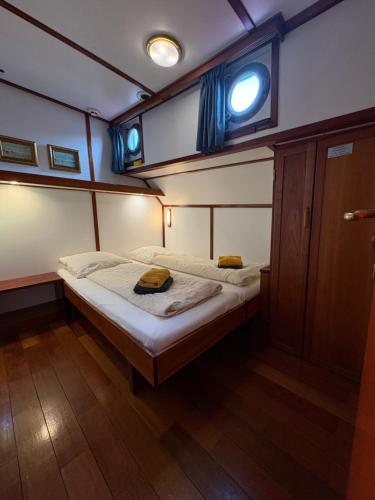
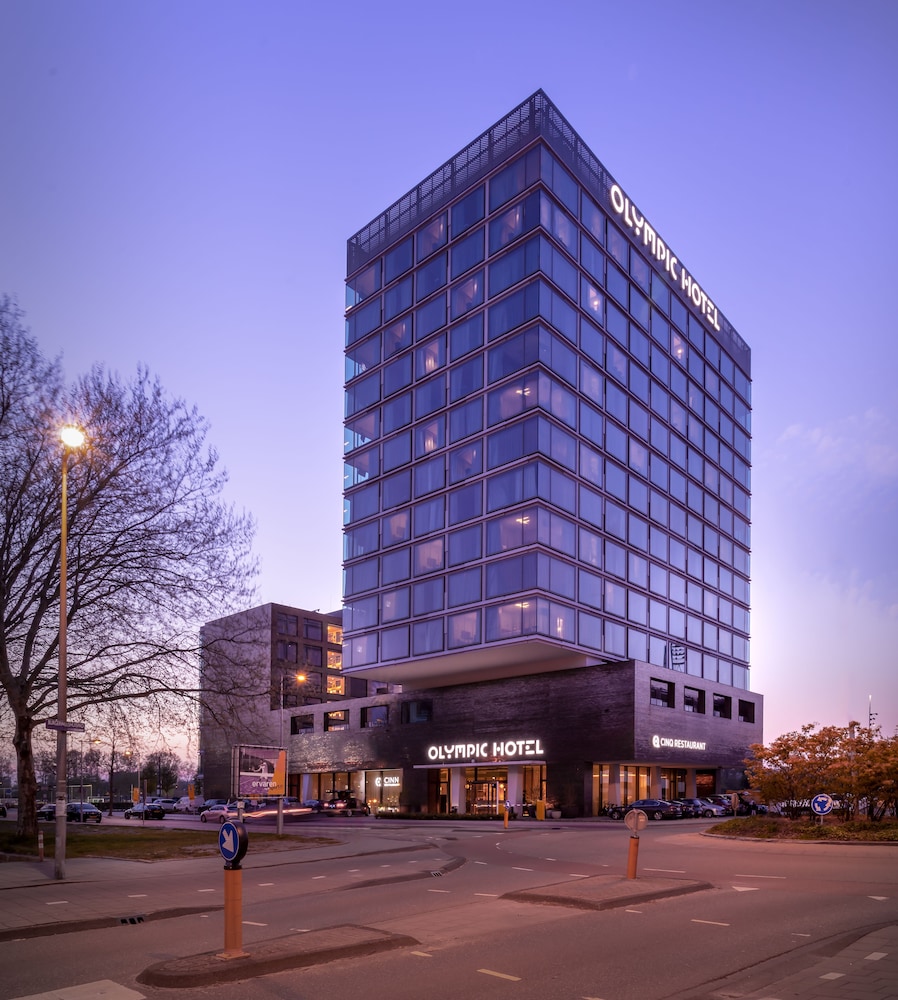
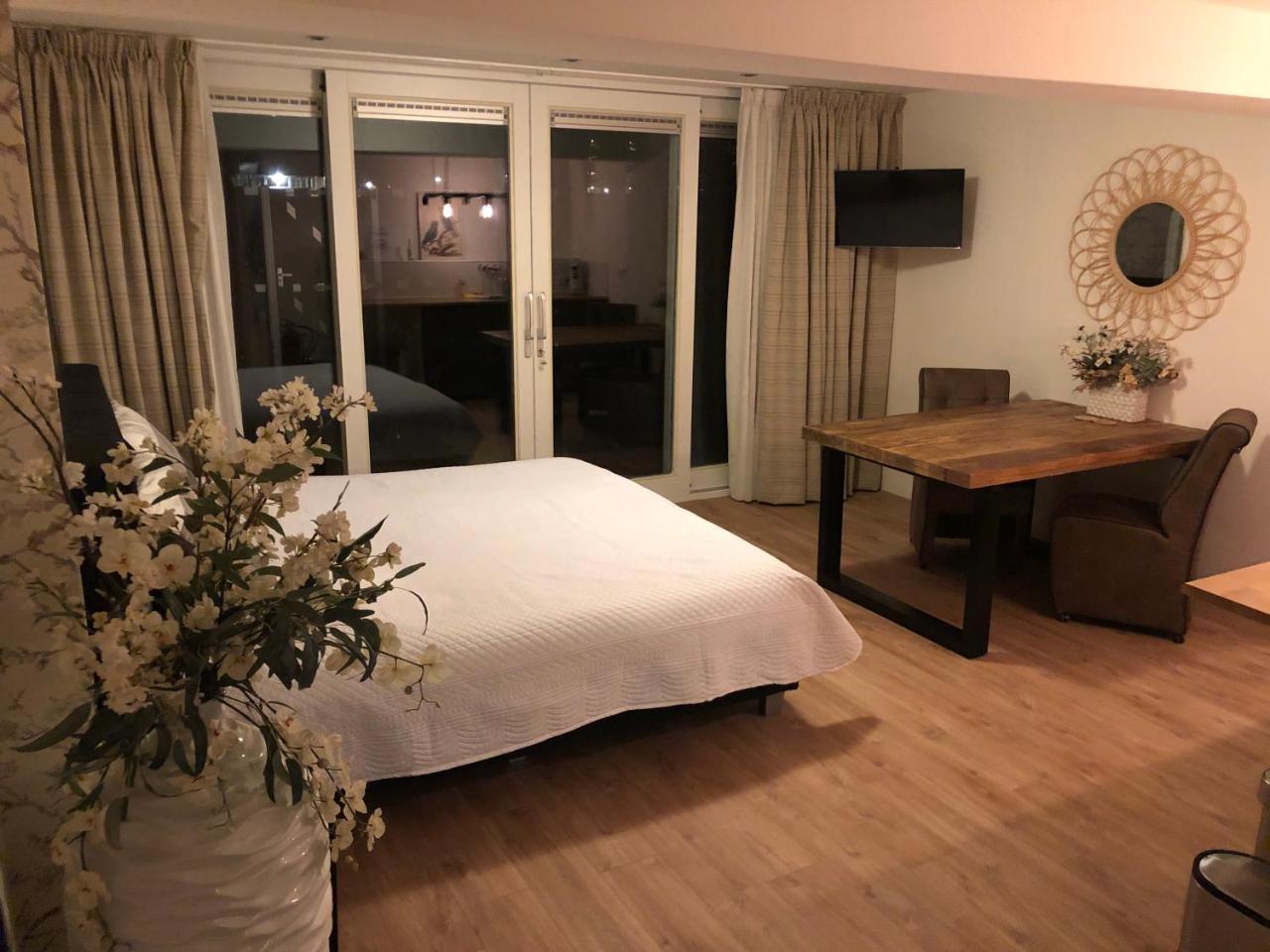
Showing 7 eco-friendly hotels from €70/night. Book on IMPT — the same price as Booking.com.