
Sustainable Travel · Italy
Eco Hotel a Sardinia — Your 2026 Guide to Soggiorni Sostenibili
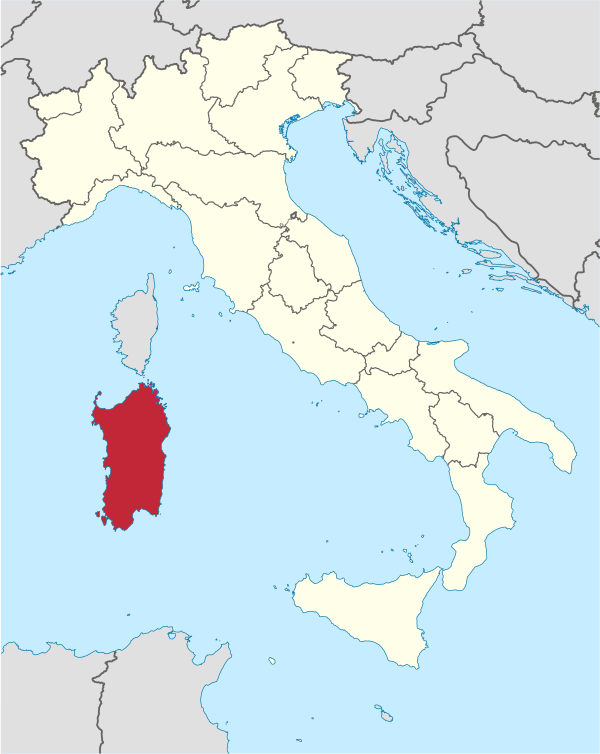
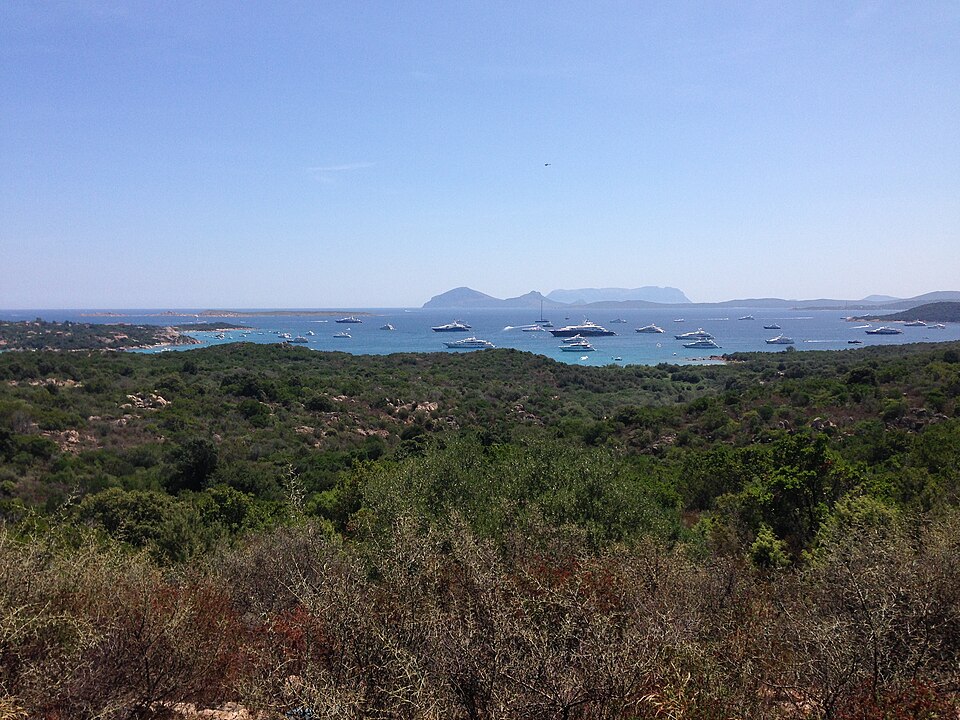
Sardinia is not just another Mediterranean island — it is a continent in miniature, a 24,000-square-kilometre landmass so geologically ancient that its granite backbone predates the Alps by hundreds of millions of years. The island's interior is dominated by the Gennargentu massif, a wild mountain range where mouflon sheep roam cork oak forests and shepherds still make fiore sardo cheese in stone huts that could pass for Bronze Age dwellings. The coastline, meanwhile, shifts from the blinding white quartz sand of Is Arutas on the west to the Caribbean-coloured coves of Cala Goloritzé in the east — a natural limestone arch so perfect it's a UNESCO-protected monument. Sardinia is home to more than 7,000 nuraghi, the mysterious Bronze Age stone towers found nowhere else on Earth, remnants of Europe's most enigmatic prehistoric civilisation. When you book through IMPT, every single night removes 1 tonne of UN-verified CO₂ from the atmosphere — 28 times more than your stay produces — at rates stesso prezzo di Booking.com o migliore.
Why Sardinia for Sustainable Travel
Sardinia's sustainability credentials are woven into its landscape and culture. The island contains three national parks — Arcipelago di La Maddalena, Asinara, and Gennargentu — along with dozens of marine protected areas that shelter some of the Mediterranean's last healthy Posidonia oceanica seagrass meadows. These underwater prairies are among the most effective carbon sinks on the planet, storing up to 35 times more carbon per hectare than tropical rainforest, and Sardinia's coastline hosts some of the largest remaining beds in the western Mediterranean.
The island's food culture is stubbornly local. In the Barbagia highlands, restaurants serve porceddu (spit-roasted suckling pig) from pigs that foraged on acorns in the surrounding forests. Bottarga — the salted, pressed roe of grey mullet — comes from the lagoons of Cabras on the west coast, a technique unchanged since Phoenician times. The Cannonau grape, which produces Sardinia's signature red wine, has been cultivated here for at least 3,000 years. A 2017 study linked the antioxidant-rich Cannonau wine to the extraordinary longevity of Sardinia's interior villages, several of which are officially designated Blue Zones — places where people routinely live past 100.
The Nuragic civilisation that built the island's 7,000+ stone towers between 1900 and 730 BC remains one of archaeology's great mysteries. The UNESCO World Heritage Site of Su Nuraxi in Barumini — a massive four-towered fortress surrounded by a village of circular huts — gives visitors a tangible connection to a civilisation that thrived for over a thousand years before Rome was founded. These structures were built from local basalt without mortar, using techniques so precise that many towers still stand at full height after 3,500 years.
Sardinia's isolation has also preserved its linguistic heritage. Sardinian (Sardu) is considered the closest living language to Latin and is still spoken daily in the interior villages. The town of Alghero on the northwest coast speaks a distinct dialect of Catalan, a legacy of Aragonese colonisation in the 14th century — making it one of the few places outside Spain where Catalan is a living community language.
IMPT gives you Sardinia at the same nightly rate — or up to competitively priced — than Booking.com. The difference? IMPT retires 1 tonne of verified carbon credits on-chain for every booking. No green premium. No feel-good certificate. Real, auditable carbon removal funded from our commission. Search Sardinia hotels now →
Best Areas for Eco-Conscious Stays in Sardinia
Barbagia — The Mountain Interior
The wild heart of Sardinia, the Barbagia region around Orgosolo, Oliena, and Fonni has resisted outside influence for millennia — the Romans called it Barbaria because they never managed to conquer it. Today it's home to agriturismos set in working sheep farms, where guests sleep in converted stone buildings, eat cheese made that morning, and wake to views of the Gennargentu peaks. This is the cheapest part of Sardinia to stay, the most culturally authentic, and the region with the lowest environmental footprint per visitor. The famous murales (political street art) of Orgosolo tell the story of Sardinian resistance in vivid colour on every available wall.
Ogliastra — The Wild East Coast
Between Arbatax and Cala Gonone, Sardinia's eastern coastline is a vertical wall of limestone plunging into water so clear it looks digitally enhanced. Cala Goloritzé, Cala Mariolu, and Cala Luna are consistently ranked among Europe's finest beaches — and most are reachable only by boat or multi-hour hiking trails through the Supramonte wilderness. Small family-run hotels in Baunei and Santa Maria Navarrese keep visitor numbers low. The Selvaggio Blu, a multi-day trekking route along these sea cliffs, is considered Italy's most demanding and most spectacular long-distance trail.
Alghero — The Catalan Corner
Alghero's honey-coloured old town, perched on a promontory above the Coral Riviera, still has street signs in Catalan and a cathedral that mixes Gothic and Renaissance styles. The Capo Caccia headland just north shelters the Neptune's Grotto sea caves and the Porto Conte natural park — one of Sardinia's best-preserved coastal habitats. Alghero has excellent bus connections to Sassari and the airport, making it one of the most car-free-friendly bases on the island. The local coral-diving tradition, dating back centuries, gives the town its nickname: the Coral City.
South Coast — Chia, Villasimius & Cagliari
The beaches of Chia and Villasimius rival anything in the Caribbean — Su Giudeu's sandbars, the pink flamingos of the Molentargius wetland near Cagliari, the granite boulders of Porto Giunco. Cagliari itself is an underrated city break: the Castello quarter perches on a limestone hill with views across the entire gulf, the covered market of San Benedetto is the largest in Italy, and the Poetto beach stretches 8 kilometres along the city's eastern edge. Eco-lodges and boutique hotels in the south are increasingly solar-powered, and Cagliari's compact centre is easily walkable.
How IMPT Makes Your Sardinia Stay Carbon-Negative
Una notte media in hotel produce circa 35 kg of CO₂ — from air conditioning, laundry, lighting, and food service. When you book any Sardinia hotel through IMPT, we retire 1,000 kg of UN-verified carbon removal credits. That's 28 times what your stay produces. Not carbon neutral — carbon-negative.
The cost to you? Zero. IMPT funds the removal from its booking commission. You pay the standard nightly rate — in fact, IMPT is consistently stesso prezzo di Booking.com o migliore on the same room. The carbon credits are tokenised on Ethereum, retired against a named project, with a public retire code anyone can verify. No double-counting. No greenwashing. Just verified carbon removal, every night.
- €5 di credito gratuito when you sign up — applied to your first Sardinia booking
- 5% back on every stay — 3% funds carbon projects, 2% as travel credit
- 8M+ hotels worldwide, 195 countries — Sardinia is just the start
- Cancellazione gratuita on most rates, typically up to 48 hours before check-in
Sustainable Cosa Fare a Sardinia
The Selvaggio Blu is Sardinia's ultimate outdoor challenge — a 6–7 day coasteering route along the Ogliastra sea cliffs that involves scrambling, abseiling, and navigating unmarked trails through virgin Mediterranean maquis. For something gentler, the Trenino Verde heritage railway runs narrow-gauge trains through the mountainous interior between Mandas and Arbatax, crossing viaducts and tunnels built in the 1890s — one of Italy's great hidden rail journeys, and entirely car-free.
On the water, the Arcipelago di La Maddalena — seven major islands and dozens of islets between Sardinia and Corsica — is a national park with some of the Mediterranean's clearest water. Kayaking and sailing between the islands lets you explore beaches like Spiaggia Rosa (Pink Beach) on Budelli, whose rose-hued sand comes from crushed coral and shells. Snorkelling here reveals thriving Posidonia meadows that actively sequester atmospheric carbon.
The Nuragic complex of Su Nuraxi di Barumini, a UNESCO World Heritage Site since 1997, offers guided tours through a 3,500-year-old fortress that predates the Parthenon by a millennium. In Cagliari, the National Archaeological Museum houses the largest collection of Nuragic bronzetti — small figurines depicting warriors, priests, and animals that are among the earliest representational art in Europe.
After exploring, shop through IMPT's 25,000+ retail partners for up to cashback on sustainable travel gear, Italian fashion, and outdoor equipment — every purchase offsets additional carbon. Send someone a trip credit gift so they can discover Sardinia themselves, or pick up carbon vouchers to offset a friend's flight to Cagliari or Olbia. Curious about your environmental impact? Ask IMPT's AI assistant for a personalised sustainability report.
Aziende Travel to Sardinia? IMPT Has You Covered
Sardinia's combination of world-class beaches, boutique resorts, and genuine remoteness makes it increasingly popular for corporate retreats and incentive travel — particularly along the Costa Smeralda and in the historic town of Cagliari. IMPT's B2B Aziende Travel platform provides access to exclusive business rates, automatic ESG reporting across Scope 1, 2 and 3, and a single dashboard tracking every booking's carbon impact.
The Starter plan is free — no setup cost, no integration needed. Business plans at $99/month add department labels, corporate invoicing, and an extra 5% hotel discount. Enterprise plans at $250/month include dedicated account management and custom API integration. For companies with CSRD compliance requirements, IMPT's automated sustainability reporting documents every tonne removed — ready for your next ESG audit. Explore verified carbon projects that your bookings support.
Own the IMPT Franchise in Italy
Italy receives over 60 million international tourists annually and is Europe's fourth-largest outbound travel market. Sardinia alone welcomed over 3 million visitors in 2025. IMPT Country Ownership lets you become the sole IMPT representative in Italy — earning 50% of every IMPT transaction from Italian-registered users, for life. With 8% APY staking yield over two years and a transferable digital asset you can pass on or resell, it's a sustainability business opportunity matched to one of the world's most travel-passionate nations. Learn more about IMPT's Goodness initiative driving positive environmental change. Book a call with the rollout team →
Domande Frequenti
Are hotel ecologici in Sardinia more expensive than regular ones?
No. IMPT hotels in Sardinia cost the same as — or the same as — Booking.com for the identical room. The 1-tonne carbon removal per booking is funded entirely from IMPT's commission. You pay no green premium. New members also receive a €5 di credito di benvenuto applied to their first booking.
How does IMPT remove carbon when I book a Sardinia hotel?
When you book any Sardinia hotel through IMPT, 1 tonne (1,000 kg) of UN-verified CO₂ is physically removed from the atmosphere, funded from IMPT's booking commission. A typical hotel night generates about 35 kg of CO₂ — IMPT removes nearly 28 times that amount. The carbon credits are tokenised on Ethereum and retired on-chain with a verifiable receipt. No double-counting, no greenwashing.
What is the best area to stay in Sardinia for eco-conscious travellers?
The Barbagia interior offers agriturismos in century-old stone farmhouses with minimal environmental impact and authentic Sardinian food culture. The Ogliastra coast on the east side has smaller, family-run hotels near pristine coves accessible only by foot or boat. Alghero on the northwest coast combines Catalan-influenced old town charm with marine reserve proximity and good public bus connections. The south coast around Chia and Villasimius offers turquoise waters with eco-lodges increasingly powered by solar.
Can I reach Sardinia without flying?
Yes. Regular ferries connect Sardinia to mainland Italy from Civitavecchia (Rome), Genoa, Livorno, Naples, and Palermo. Tirrenia and Grimaldi Lines operate year-round crossings. From Civitavecchia, the crossing to Olbia takes about 6 hours. Once on the island, ARST buses connect most towns, and the Trenino Verde heritage railway is one of Italy's most scenic rail journeys through the mountainous interior.
When is the best time to visit Sardinia sustainably?
May–June and September–October are ideal. Temperatures are warm (22–28°C), beaches are uncrowded, and hotel rates drop significantly from July–August peaks. Shoulder season reduces pressure on Sardinia's water resources — a genuine concern on an island where summer tourism can strain supply. These months also coincide with wildflower seasons in the interior and better conditions for hiking the Selvaggio Blu trail.
← Back to Italy Eco-Hotels · Browse All Countries · Aziende Travel · Gift a Trip · Carbon Vouchers
📱 Daily hotel deals on Telegram
Join @IMPThotels →Eco Hotels
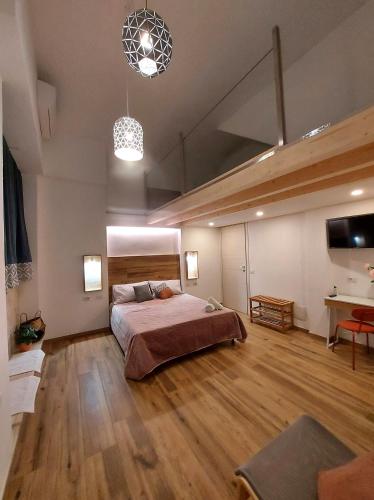
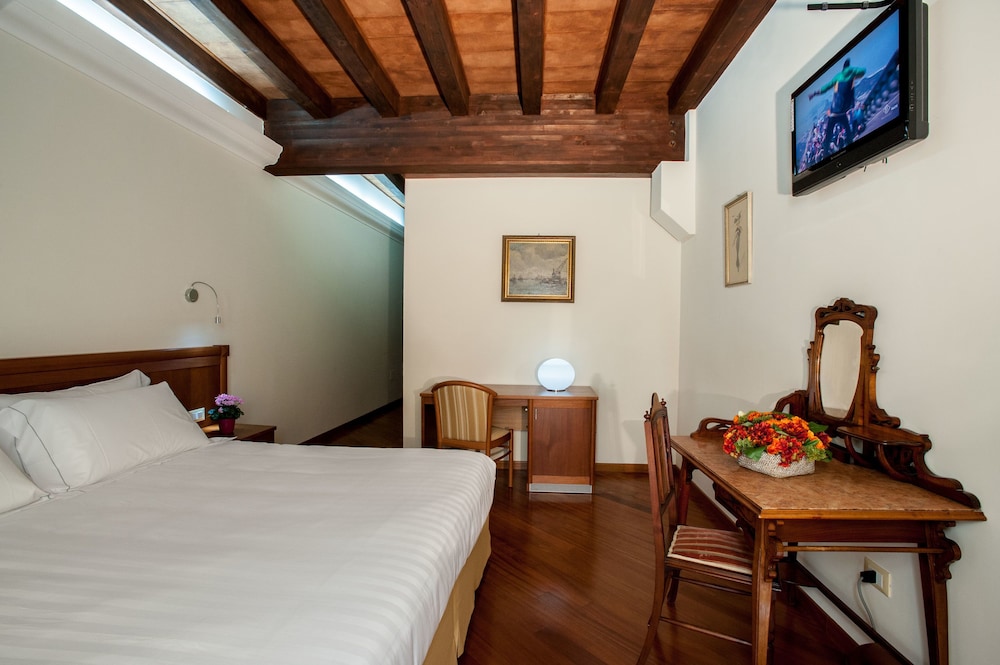
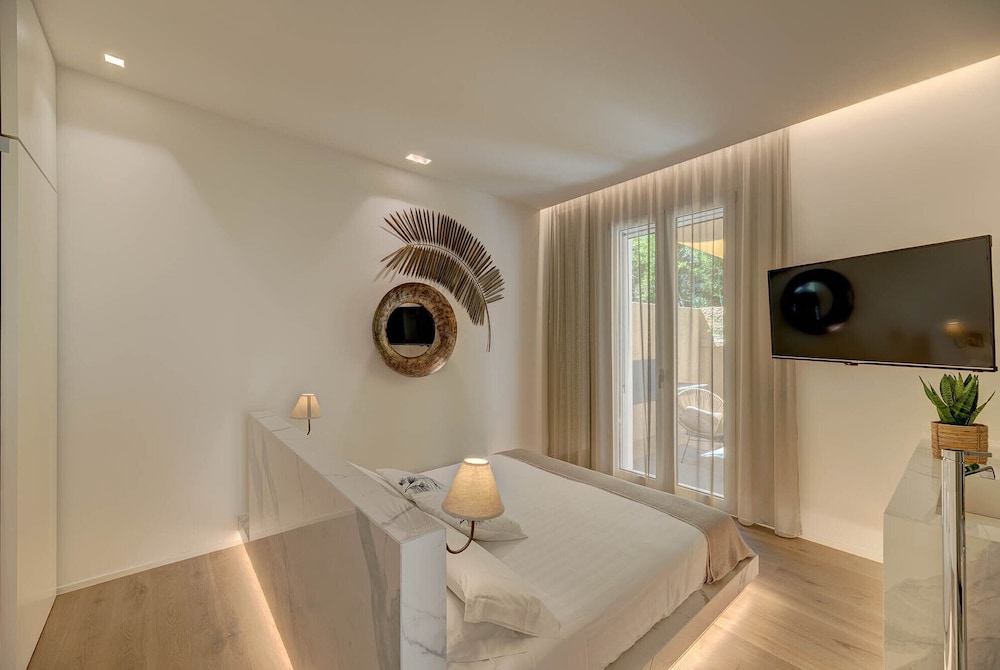
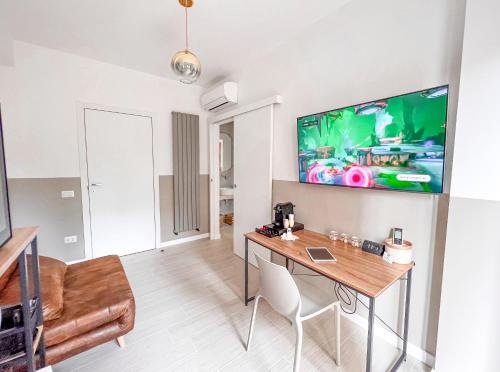
Showing 12 eco-friendly hotels. Book on IMPT — the same price as Booking.com.