Sustainable Travel · France
Éco-Hôtels à Paris — Your 2026 Guide to Séjours Durables
Paris, the City of Lights, is illuminating a new path towards sustainability, aiming to become Europe's greenest capital by 2030. For travellers seeking to experience its timeless charm without compromising their eco-values, Paris offers a surprisingly robust array of sustainable choices. From its ambitious cycling infrastructure to a growing number of eco-conscious accommodations and revitalized urban green spaces, the French capital is proving that luxury and sustainability can go hand-in-hand. When you book your eco-friendly Parisian escape through IMPT, you not only enjoy the same nightly rates—often même prix que Booking.com ou mieux—but also contribute to the removal of 1 tonne of UN-verified CO₂ from the atmosphere for every single night. That's 28 times more than your stay produces, at no extra cost to you.
Why Paris for Sustainable Travel
Paris has committed significantly to reducing its environmental impact, making it an excellent destination for sustainable travel. The city's extensive and efficient public transportation system—including a metro, bus, RER, and tram network—makes navigating without a car incredibly easy. Parisian buses are projected to be 100% ecological by 2025. Beyond public transport, the city has heavily invested in cycling infrastructure with its "Plan Vélo" initiatives, expanding bike lanes and making temporary "corona pistes" permanent. Walking is also highly encouraged, with numerous pedestrianized streets and "Paris Respire" zones that close streets to cars on Sundays and public holidays, including a vast area in the 1st, 2nd, 3rd, and 4th arrondissements.
Major city-wide projects include the cleanup of the Seine River, now allowing public swimming, and the conversion of parking spaces into urban gardens and green areas. The ambitious redesign of the area linking Trocadero to the Eiffel Tower into a vast garden further solidifies Paris's commitment to green urban living. This blend of efficient transport, green spaces, and a focus on local experiences allows visitors to explore Paris with a minimal carbon footprint.
IMPT gives you Paris at the same nightly rate — often up to same price as — than Booking.com. The difference? IMPT retires 1 tonne of verified carbon credits on-chain for every booking. No green premium. No feel-good certificate. Real, auditable carbon removal funded from our commission. Search Paris hotels now →
Best Areas for Eco-Conscious Stays in Paris
Le Marais (3rd & 4th Arrondissements) — Historic Charm, Sustainable Shopping
This historic district, with its narrow streets and beautiful architecture, is a pedestrian's paradise. It's home to numerous independent boutiques, vintage shops, and organic food markets. Its central location means many major attractions are walkable, reducing the need for transport. Several eco-boutique hotels here focus on sustainable practices, offering a blend of historic charm and modern green living.
Canal Saint-Martin (10th Arrondissement) — Bohemian Vibes, Bike-Friendly Paths
Known for its bohemian vibe, trendy cafes, and picturesque canals, this area is perfect for cycling and walking. Many local businesses prioritize sustainable sourcing, and the relaxed atmosphere encourages slow travel. Hotels here often feature unique designs with an emphasis on local materials and energy efficiency.
Latin Quarter (5th Arrondissement) — Academic Heart, Local Flavours
With its academic history, bustling bookstores, and vibrant student life, the Latin Quarter is highly walkable and well-served by public transport. It boasts a strong community feel with numerous independent eateries focusing on fresh, seasonal produce. Hébergement durable here often integrates into the historic buildings, maintaining their charm while upgrading for eco-efficiency.
15th Arrondissement (Near Parc André Citroën) — Urban Green Oasis
While not as central, this area offers excellent access to green spaces like Parc André Citroën, known for its hot-air balloon. It's a quieter, more residential neighborhood with good public transport links, making it suitable for those seeking a balance between city exploration and serene green environments. Some hotels in this area focus on reducing energy consumption and providing sustainable amenities.
How IMPT Makes Your Paris Stay Carbon-Negative
Let's talk numbers for your Paris trip. A typical hotel night contributes about 35 kg of CO₂ to the atmosphere. But when you book any hotel in Paris through IMPT, we go above and beyond: we retire a full 1,000 kg of UN-verified carbon removal credits on your behalf. This means your stay isn't just neutre en carbone; it's profoundly carbon-negative, removing 28 times more carbon than it produces.
And the best part? It costs you absolutely nothing extra. IMPT funds this significant carbon removal directly from its booking commission. You get the same great room, at the same competitive rate—in fact, IMPT is consistently même prix que Booking.com ou mieux for the exact same property. Our carbon credits are tokenized on Ethereum and publicly retired, providing full transparency and verifiable proof of your positive impact.
- 5 € de crédit gratuit when you sign up – directly applied to your first Paris booking.
- 5% back on every stay – 3% funds carbon projects, 2% returns to you as travel credit for future adventures.
- Access to 8M+ hotels globally, with a strong selection of eco-friendly options in Paris and beyond.
- Enjoy free cancellation on most rates, offering flexibility usually up to 48 hours before check-in.
Sustainable Que Faire à Paris
Embrace slow travel in Paris by exploring its many sustainable activities.
- Cycle the City: Utilize Vélib' or your hotel's free bicycles to explore Paris's expanding network of bike lanes. A ride along the Seine's car-free riverbanks offers stunning views.
- Explore Urban Green Spaces: Visit Parc des Buttes-Chaumont, a dramatic landscape park, or relax in the less-crowded Jardin des Plantes. The ongoing conversion of parking spaces into urban gardens (such as the transformation of areas around the Eiffel Tower) provides more green oases to discover.
- Visit Local Markets: Skip the large supermarkets and explore local markets like Marché des Enfants Rouges (Paris’s oldest covered market) or organic markets for fresh, seasonal, and locally sourced produce. This supports local farmers and reduces food miles.
- Seine River Activities: Enjoy an electric boat cruise on the Seine, or take advantage of the newly cleaned river for public swimming in designated areas (when available), a testament to the city's environmental efforts.
- Engage with Culture Sustainably: Visit museums and galleries accessible by public transport or walking. Many cultural institutions are also adopting greener practices.
And when you're ready to bring a piece of Paris home, remember to shop through IMPT's 25,000+ retail partners for cashback on purchases that also offset carbon. Consider an IMPT trip credit gift for friends, where trees are planted with named farmers and GPS-tagged.
Entreprises Travel to Paris? IMPT Has You Covered
For businesses planning corporate trips to Paris, IMPT's B2B Entreprises Travel platform streamlines your bookings while ensuring your company's ESG goals are met. Gain access to exclusive business rates, automated ESG reporting across Scope 1, 2, and 3 emissions, and a centralized dashboard to track the carbon impact of every stay. Our platform requires no setup costs or complex integrations. Simply generate a coupon code and your team can book at competitive corporate rates, with IMPT handling all carbon offsetting automatically.
Business plans begin at $99/month, offering features like departmental labels, corporate invoicing, and an additional 5% hotel discount. For organizations committed to CSRD compliance, IMPT provides an out-of-the-box solution for comprehensive sustainability reporting.
Own the IMPT Franchise in France
If you're passionate about IMPT's mission and the future of sustainable travel, consider the Country Ownership opportunity for France. As the sole IMPT representative, you'll earn 50% of every IMPT transaction from French-registered users, for life. This unique sustainability business opportunity offers an 8% APY staking yield over two years and a transferable digital asset. Book a call with our rollout team to learn more about becoming a part of IMPT's global expansion.
Questions Fréquentes
Are hôtels écologiques in Paris more expensive?
No. IMPT hotels in Paris are priced the same as, or the same as, Booking.com. The significant carbon offset (1 tonne of CO₂ per booking) is covered by IMPT's commission, ensuring you receive the same room at a better environmental value without additional cost.
How does carbon-negative hotel booking work with IMPT in Paris?
When you book a Paris hotel through IMPT, 1 tonne of UN-verified CO₂ is physically removed from the atmosphere. This action, funded by IMPT's commission, offsets approximately 28 times the average CO₂ produced by a single hotel night (around 35 kg), making your stay carbon-negative. The entire process is transparent, with the carbon removal retired on Ethereum and verifiable via a public receipt.
What sustainable transportation options are available in Paris?
Paris boasts an excellent public transport network (Metro, RER, bus, tram). The city also strongly promotes walking, with extensive pedestrian zones and "Paris Respire" car-free days. Cycling is highly popular, with an expanding network of bike lanes and services like Vélib' for bike sharing.
Can I find last-minute hôtels écologiques in Paris through IMPT?
Yes. IMPT offers a vast selection of over 8 million hotels worldwide, including numerous options in Paris. Last-minute bookings are readily available, subject to room availability. The 1-tonne carbon removal applies to every booking, regardless of how far in advance you reserve.
What are some key eco-friendly initiatives in Paris?
Paris is committed to becoming Europe's greenest capital by 2030. Key initiatives include the ambitious Plan Vélo for cycling infrastructure, the cleanup of the Seine River for public swimming, conversion of parking spaces into urban gardens, and the goal for Parisian buses to be 100% ecological by 2025. The city is also creating more pedestrianized zones to enhance walkability.
← Back to France Eco-Hotels · Browse All Countries · Entreprises Travel · Gift a Trip · Carbon Vouchers
📱 Daily hotel deals on Telegram
Join @IMPThotels →🏨 Individual Hotel Pages
Looking for a specific hotel? Browse hundreds of detailed hotel pages with guest reviews, neighbourhood guides, pricing, and carbon impact data.
Éco-Hôtels
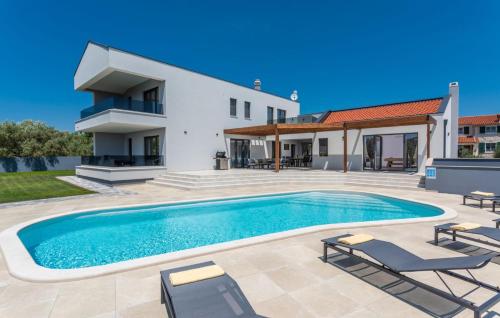
Affichage de 12 hôtels écologiques. Réservez sur IMPT — garantie du meilleur prix — même prix que Booking.com ou mieux.